Where Science Meets Performance.
Our peptides are rigorously lab tested and verified for purity and consistency, so researchers can move forward with confidence. We’re committed to providing reliable products at lower premiums, responsive support, and a seamless experience from inquiry to delivery.
Experience a higher standard of research with our premium, lab-verified peptides—where quality, precision, and value converge. Explore the collection in our shop. For tailored support, contact our team and expect a response within 24 hours.
Accessible Peptides. Peak Performance.

Best Sellers
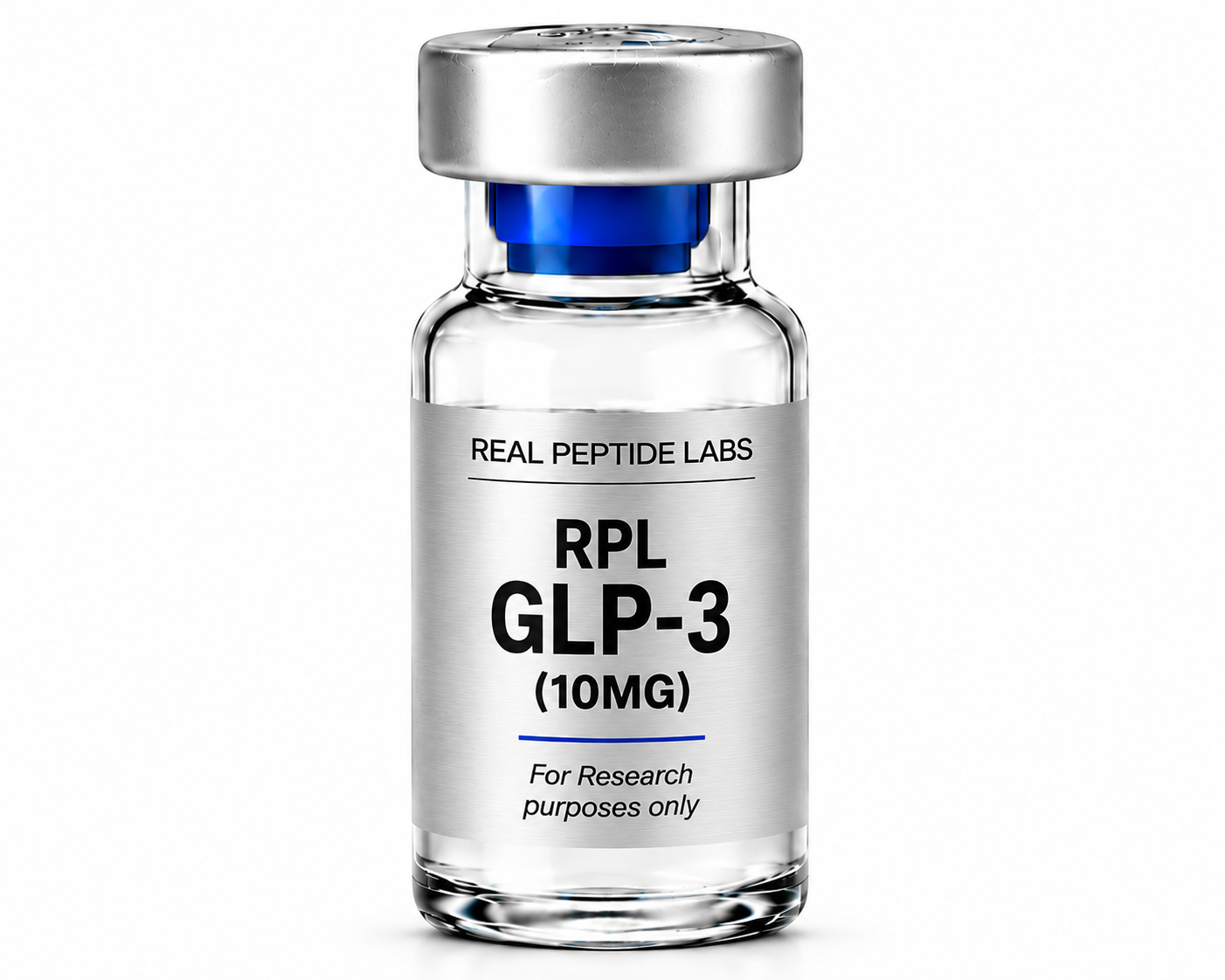
Reta is an investigational peptide-based medication designed to target multiple hormone receptors involved in metabolism and appetite regulation. It is often described as a “triple agonist” because it activates GLP-1 (glucagon-like peptide-1), GIP (glucose-dependent insulinotropic polypeptide), and glucagon receptors. By stimulating these pathways simultaneously, Reta has been studied for its potential to significantly reduce appetite, improve insulin sensitivity, regulate blood sugar levels, and increase energy expenditure. In clinical research, it has demonstrated substantial weight loss effects, likely due to its combined impact on reducing caloric intake and enhancing metabolic activity.
Weight-Loss
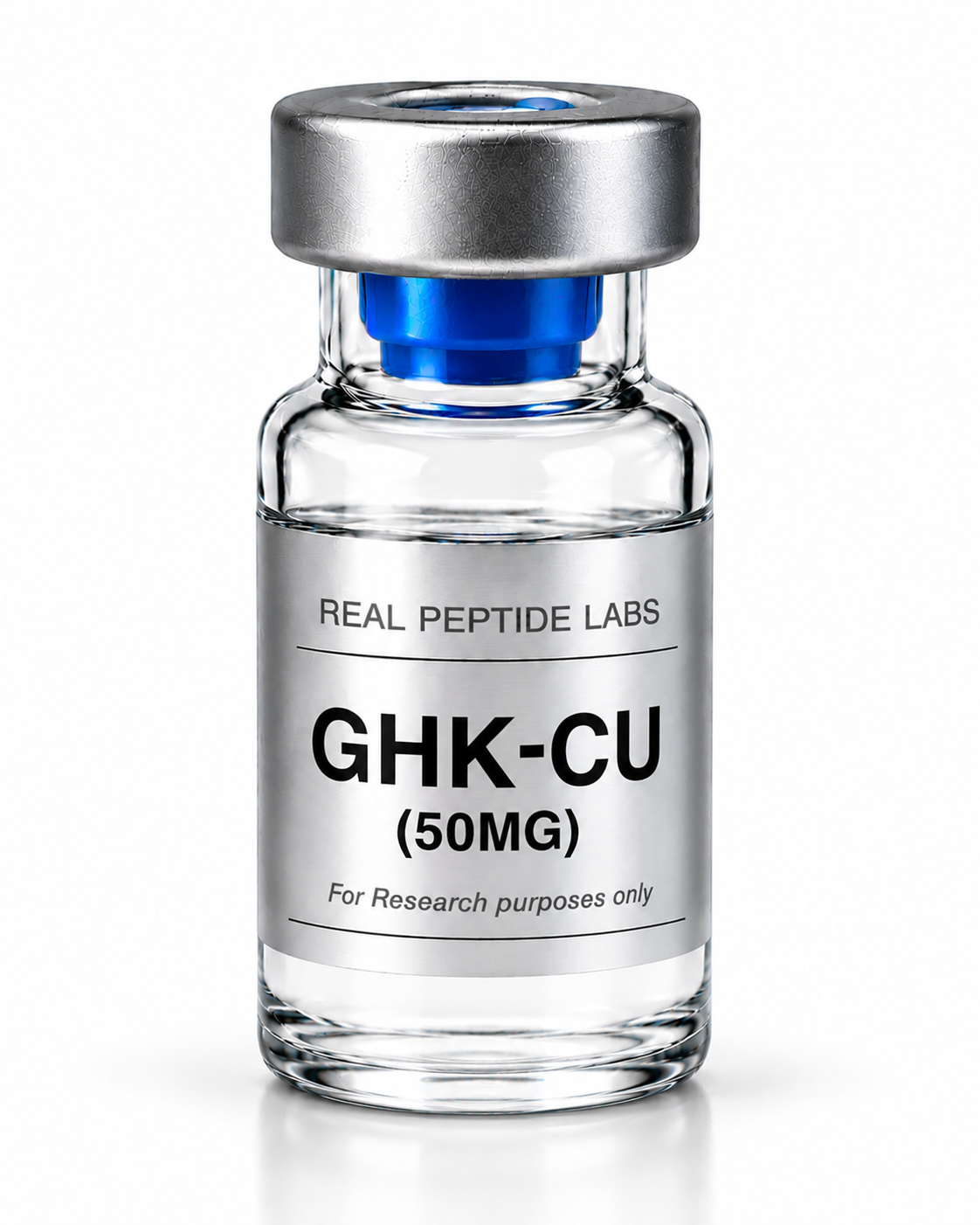
GHK-Cu (glycyl-L-histidyl-L-lysine copper) is a naturally occurring copper-binding peptide found in human plasma, saliva, and urine. It plays a role in tissue repair, wound healing, and skin regeneration by signaling cells to activate repair processes. GHK-Cu has been studied for its ability to stimulate collagen and elastin production, support the formation of new blood vessels (angiogenesis), and promote overall skin remodeling. Because collagen and elastin are essential for maintaining skin firmness and elasticity, GHK-Cu is widely researched and used in dermatology and cosmetic formulations for its potential anti-aging and skin-rejuvenating effects.
Beauty
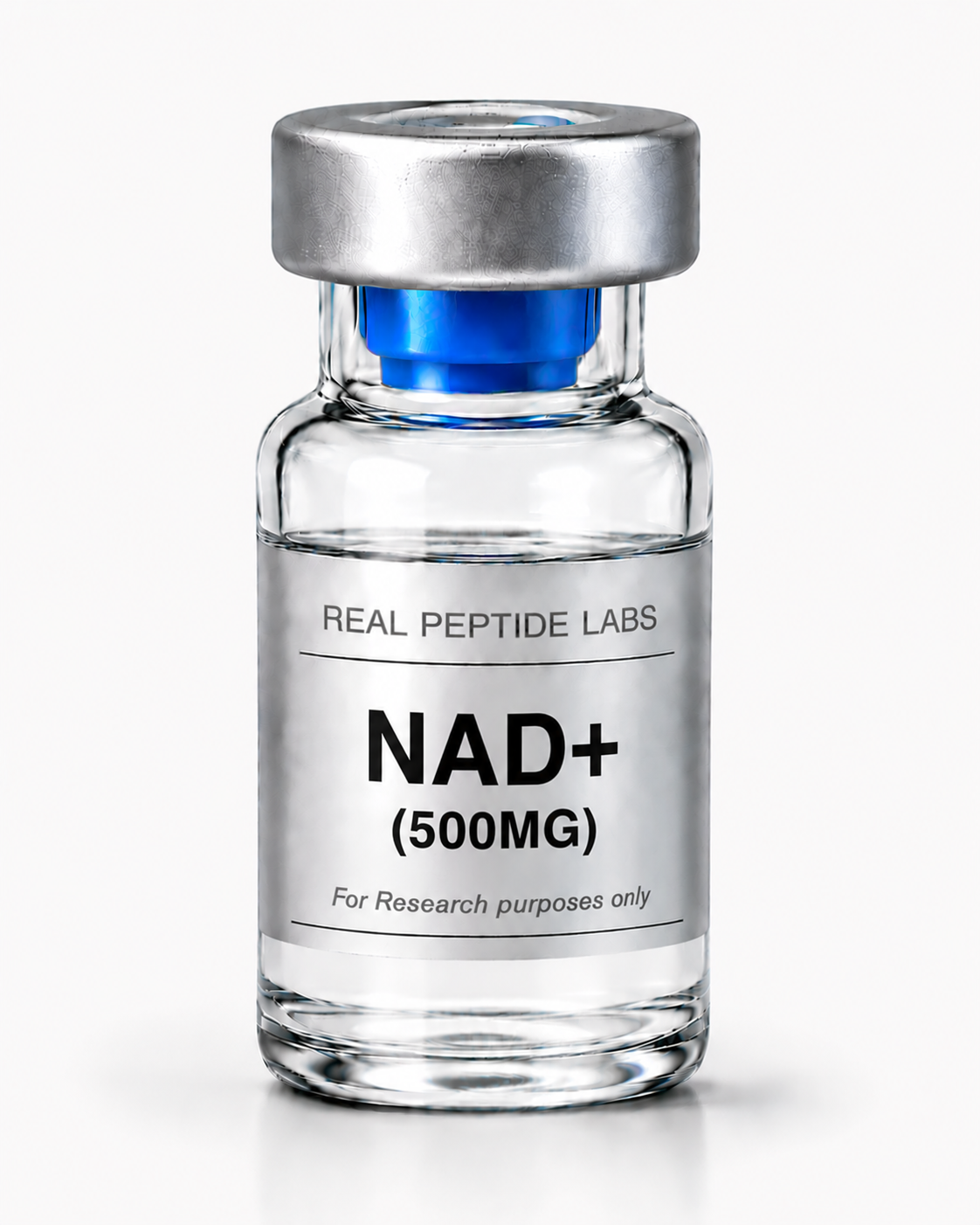
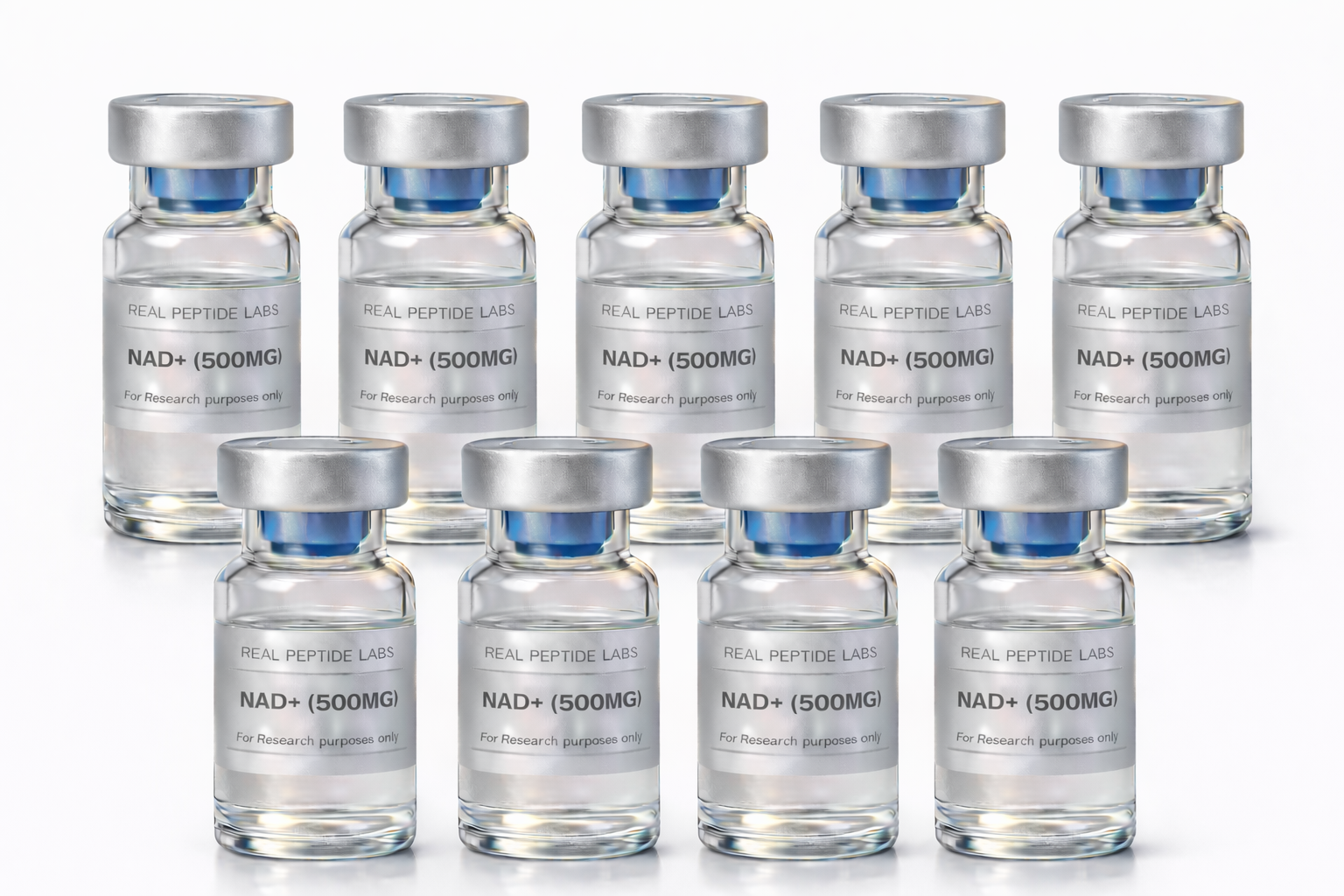
NAD+ (nicotinamide adenine dinucleotide) is a vital coenzyme found in all living cells and plays a central role in cellular energy production and metabolic function. It is essential for converting nutrients from food into usable energy within the mitochondria, the “power plants” of the cell. NAD+ participates in redox (oxidation-reduction) reactions that drive the production of ATP, the primary energy currency of the body. Beyond energy metabolism, NAD+ is also involved in activating enzymes such as sirtuins and PARPs, which are linked to DNA repair, cellular stress response, and regulation of aging-related pathways.
Anti-Aging
Explore Our Peptides

Shop All Peptides

Fat-Loss & Metabolic Peptides
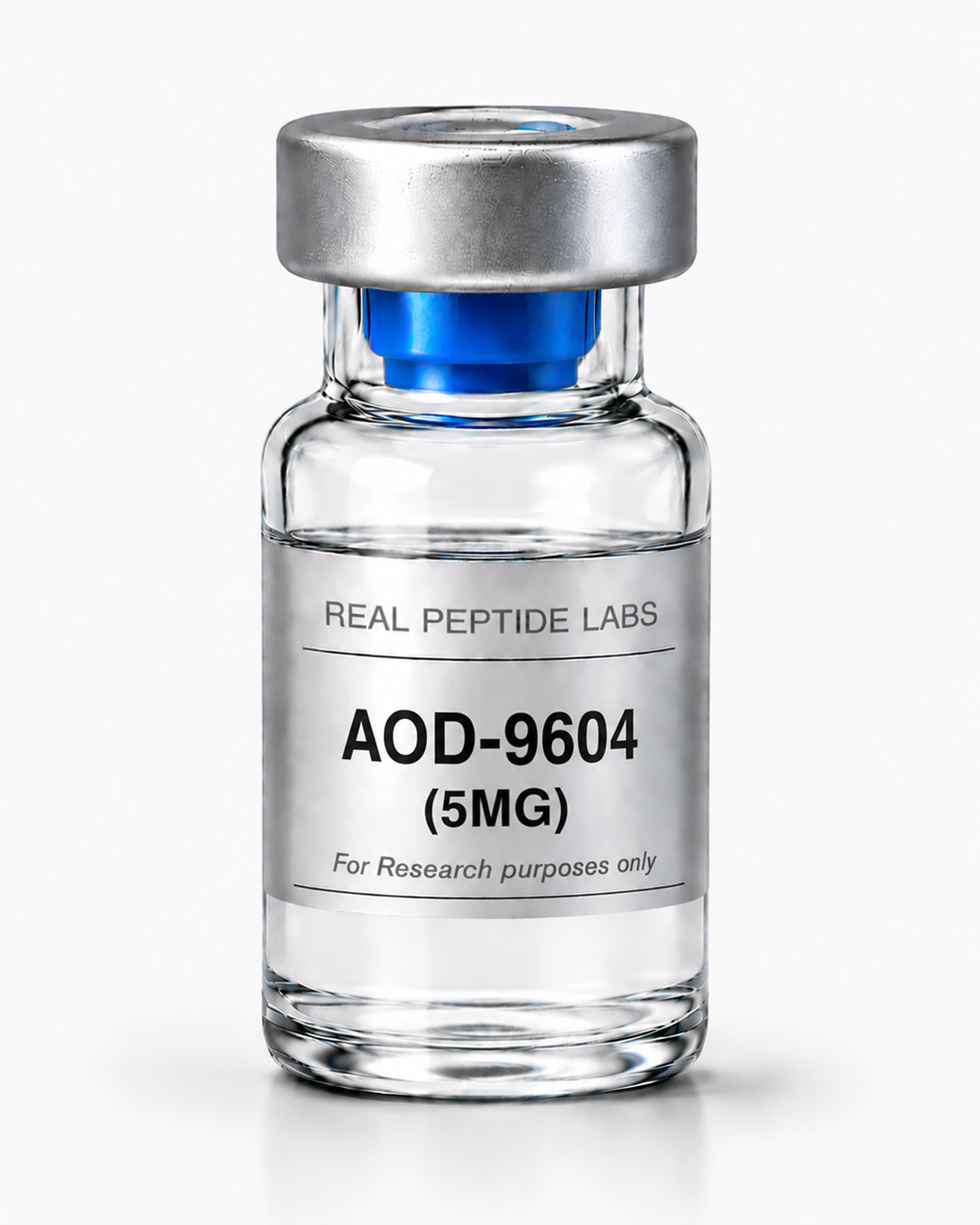
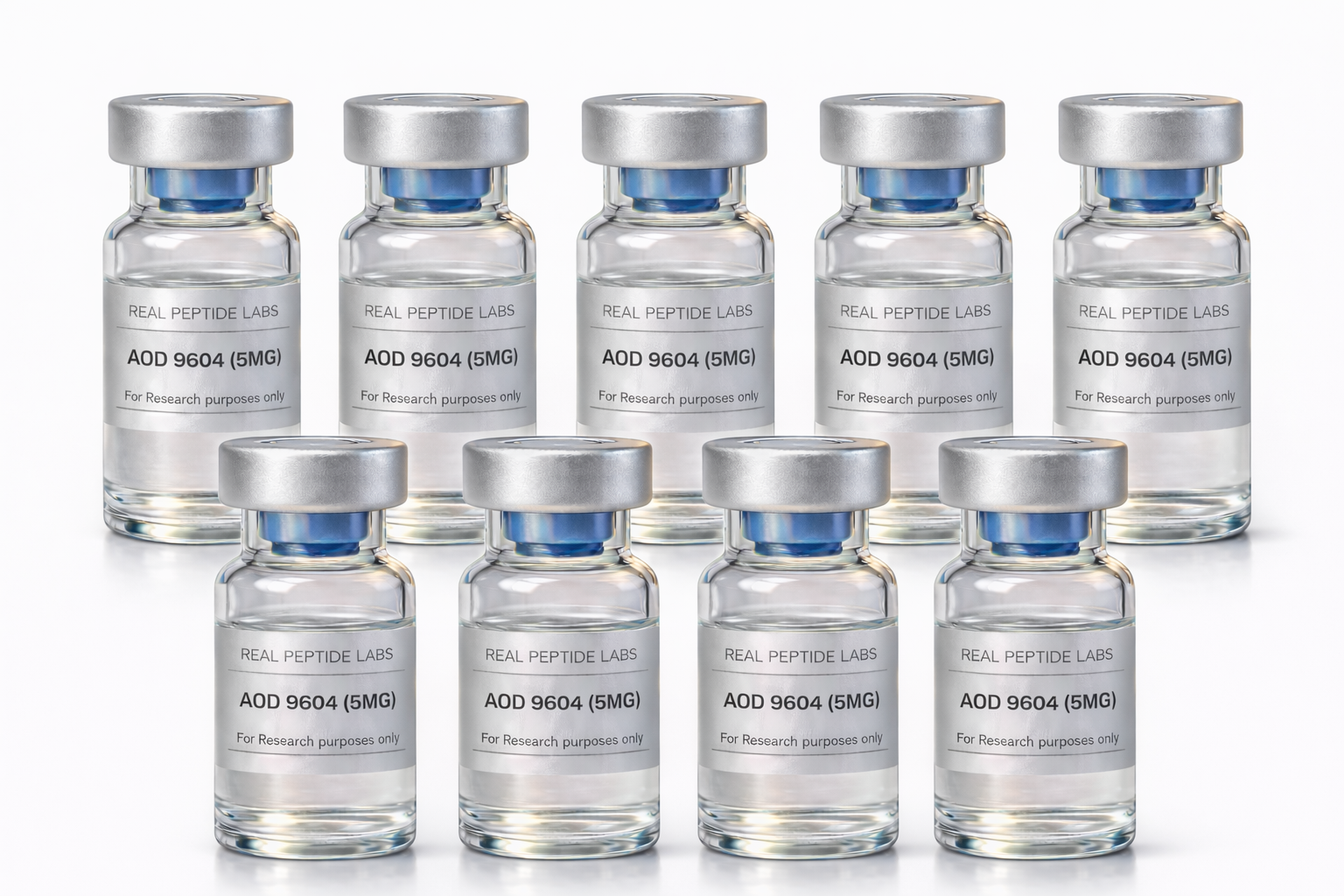
AOD 9604 is a synthetic peptide derived from a specific fragment of human growth hormone (HGH), designed to target fat metabolism without producing the full systemic effects of HGH. It has been studied primarily for its potential role in promoting lipolysis (the breakdown of stored body fat) and inhibiting lipogenesis (the formation of new fat). Unlike full growth hormone, AOD 9604 was developed to avoid significantly increasing IGF-1 levels, which reduces the likelihood of typical growth-hormone–related side effects.
In research settings, AOD 9604 has been explored as a possible aid for weight management and fat reduction, and some studies have also examined its potential effects on cartilage and joint health.
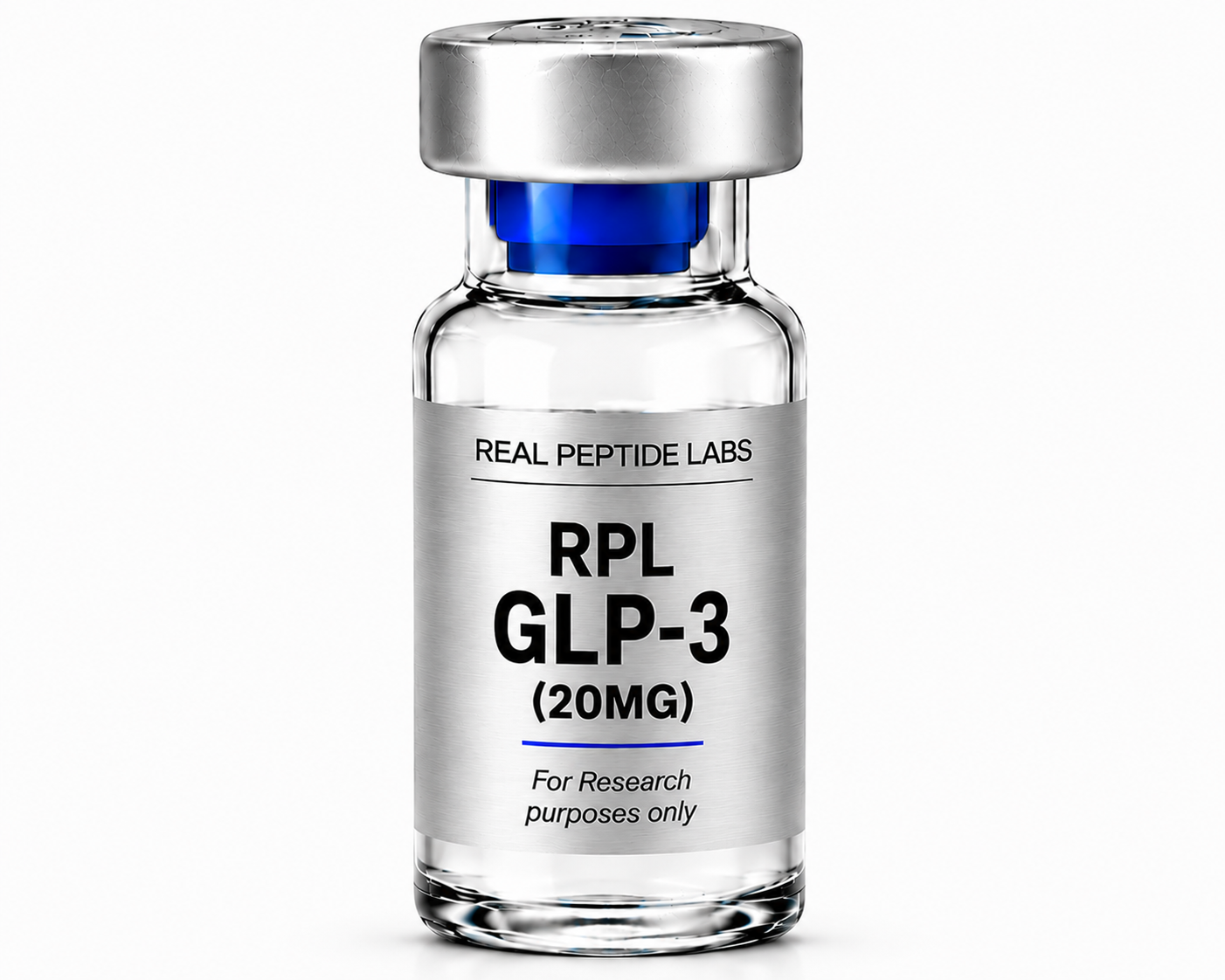
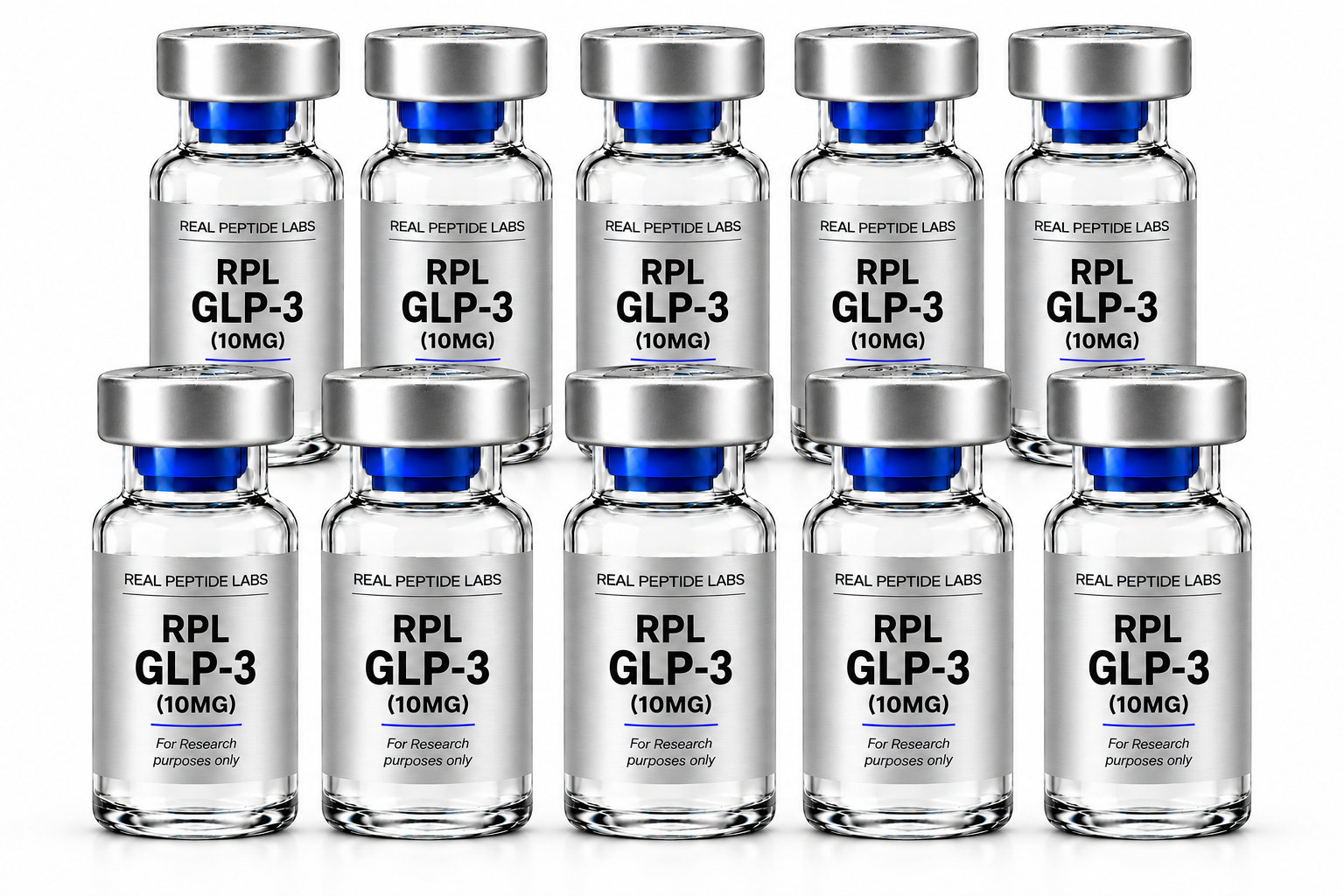
Reta is an investigational peptide therapy being researched for its powerful potential effects on weight loss, metabolism, and blood sugar regulation. It works by targeting three hormone receptors — GLP-1, GIP, and glucagon — which may help reduce appetite, increase calorie burning, improve insulin sensitivity, and support significant fat loss. Early research has shown promising results for metabolic health, energy balance, and body composition, making Reta one of the most talked-about next-generation peptides in weight management research.
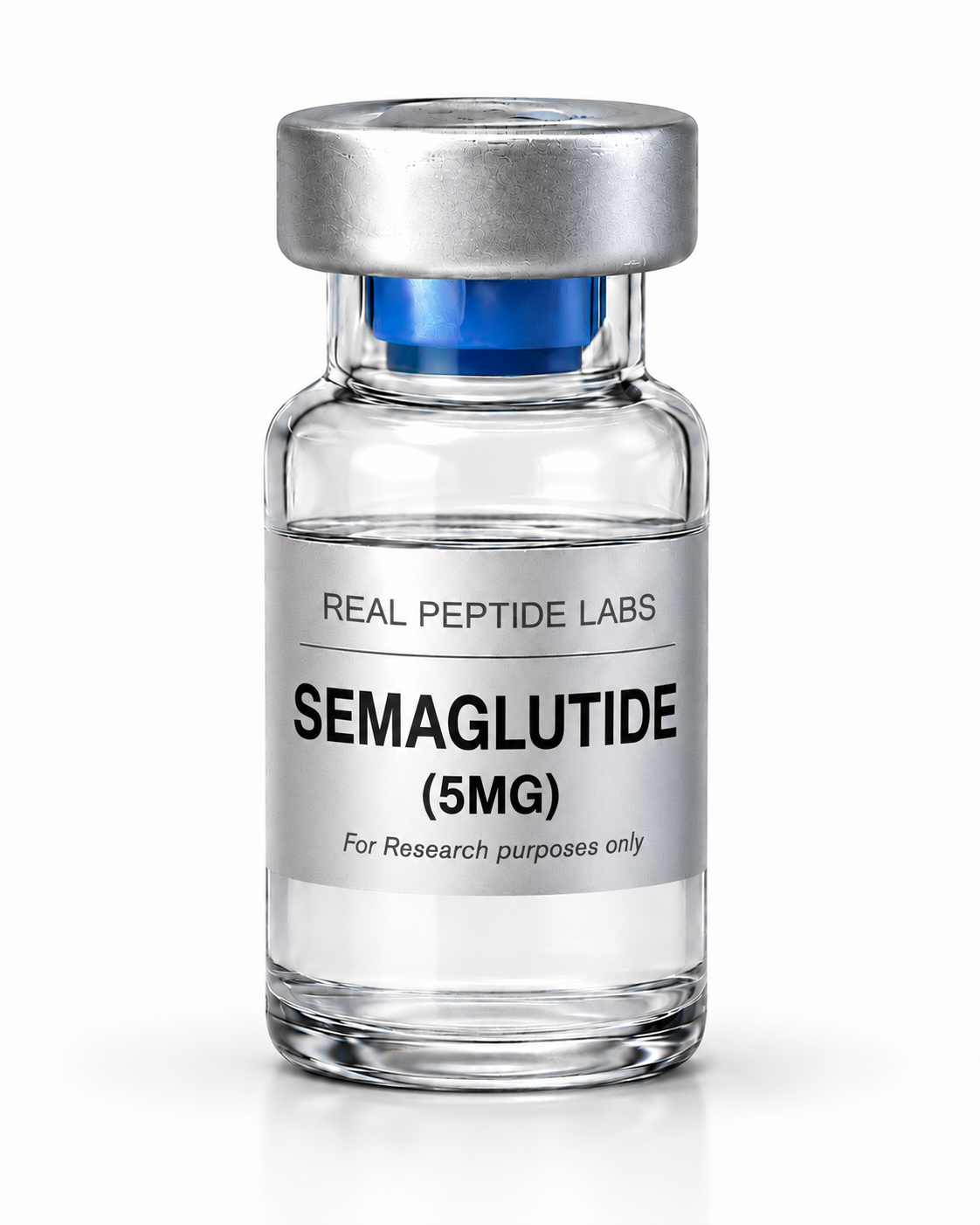
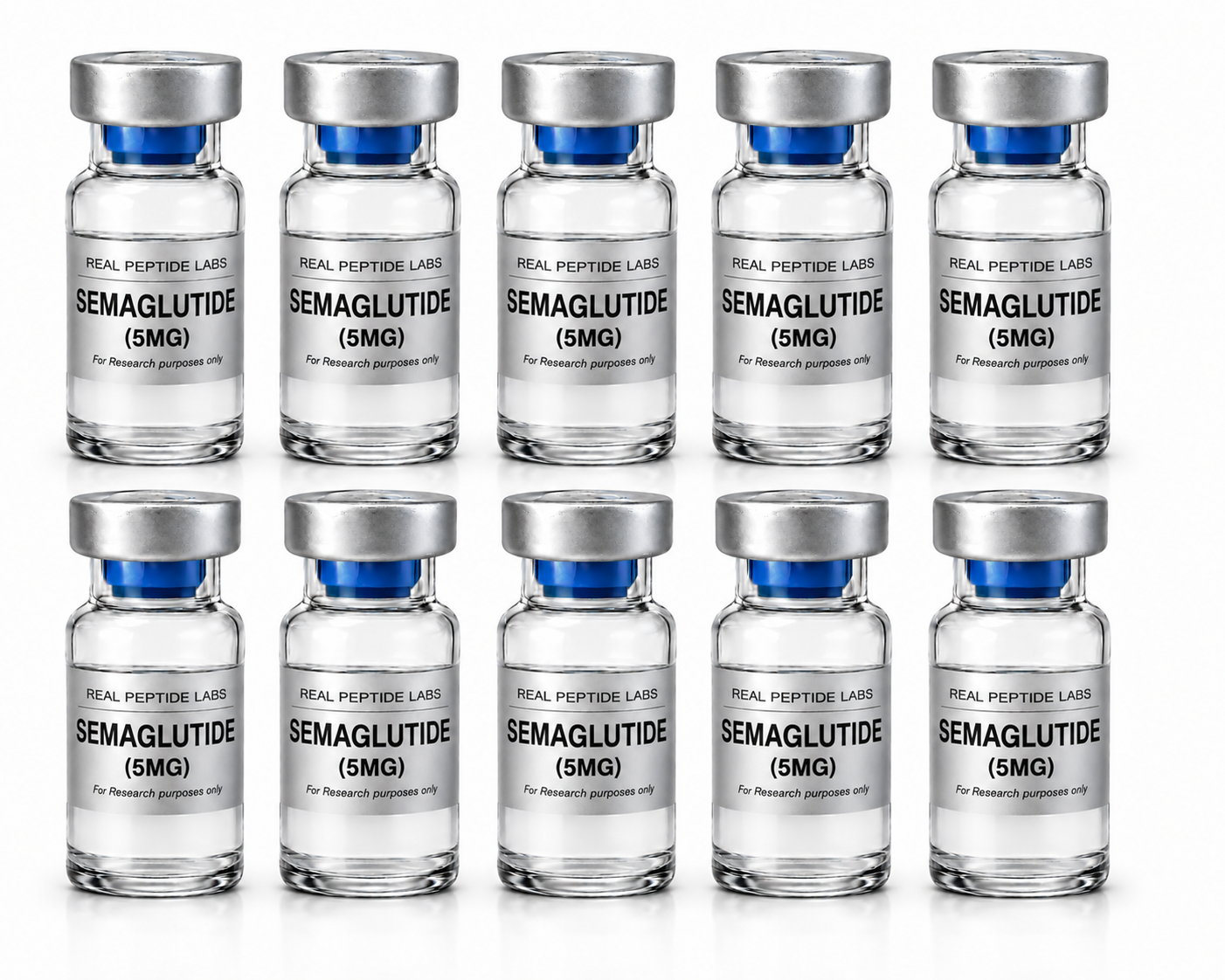
Semaglutide is a GLP-1 receptor agonist widely researched for its potential to support appetite regulation, glucose metabolism, and weight management. Research suggests it can help regulate blood sugar, promote feelings of fullness, and reduce food intake, making it a common focus in metabolic and obesity-related studies.
Reta is an investigational peptide-based medication designed to target multiple hormone receptors involved in metabolism and appetite regulation. It is often described as a “triple agonist” because it activates GLP-1 (glucagon-like peptide-1), GIP (glucose-dependent insulinotropic polypeptide), and glucagon receptors. By stimulating these pathways simultaneously, Reta has been studied for its potential to significantly reduce appetite, improve insulin sensitivity, regulate blood sugar levels, and increase energy expenditure. In clinical research, it has demonstrated substantial weight loss effects, likely due to its combined impact on reducing caloric intake and enhancing metabolic activity.
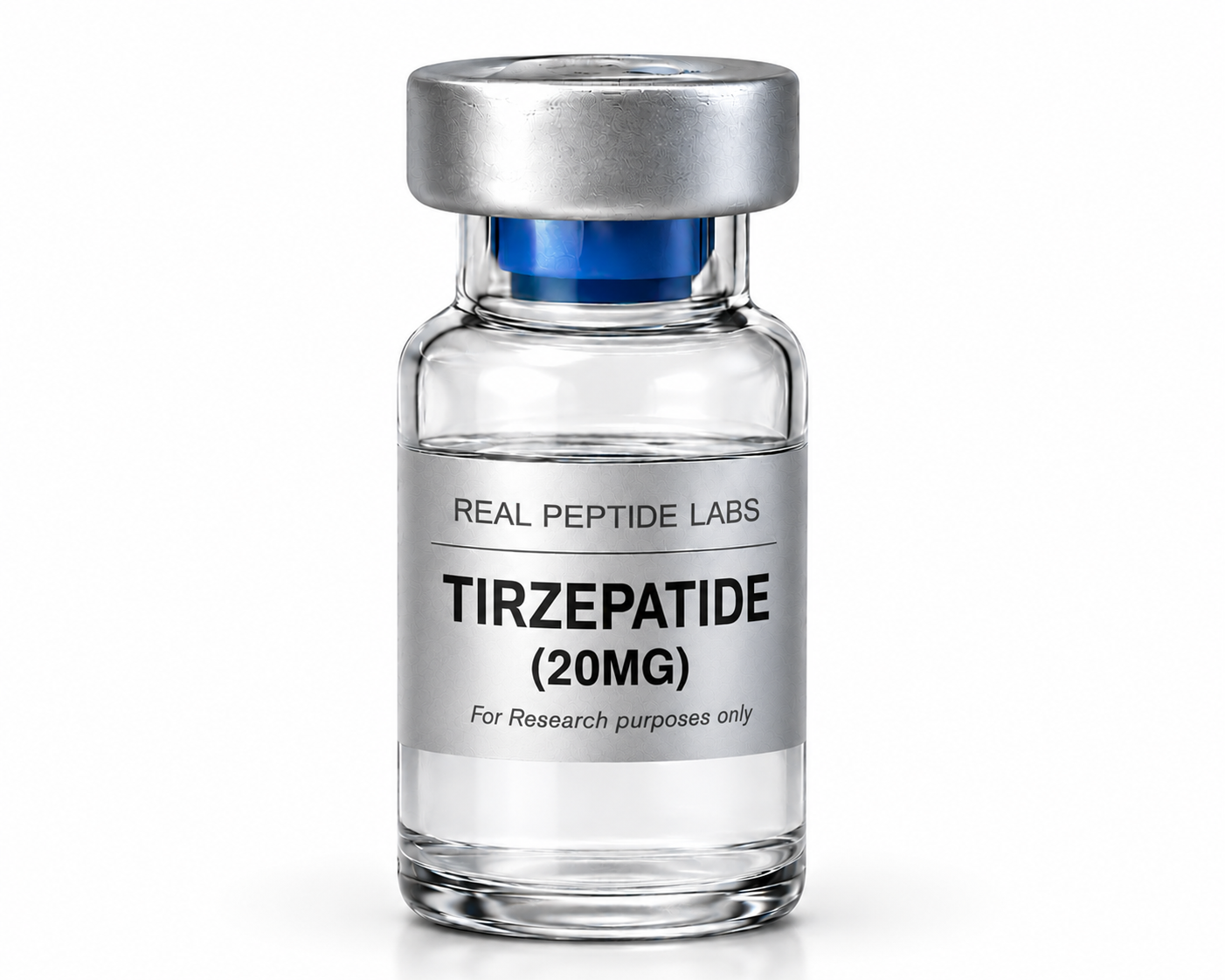
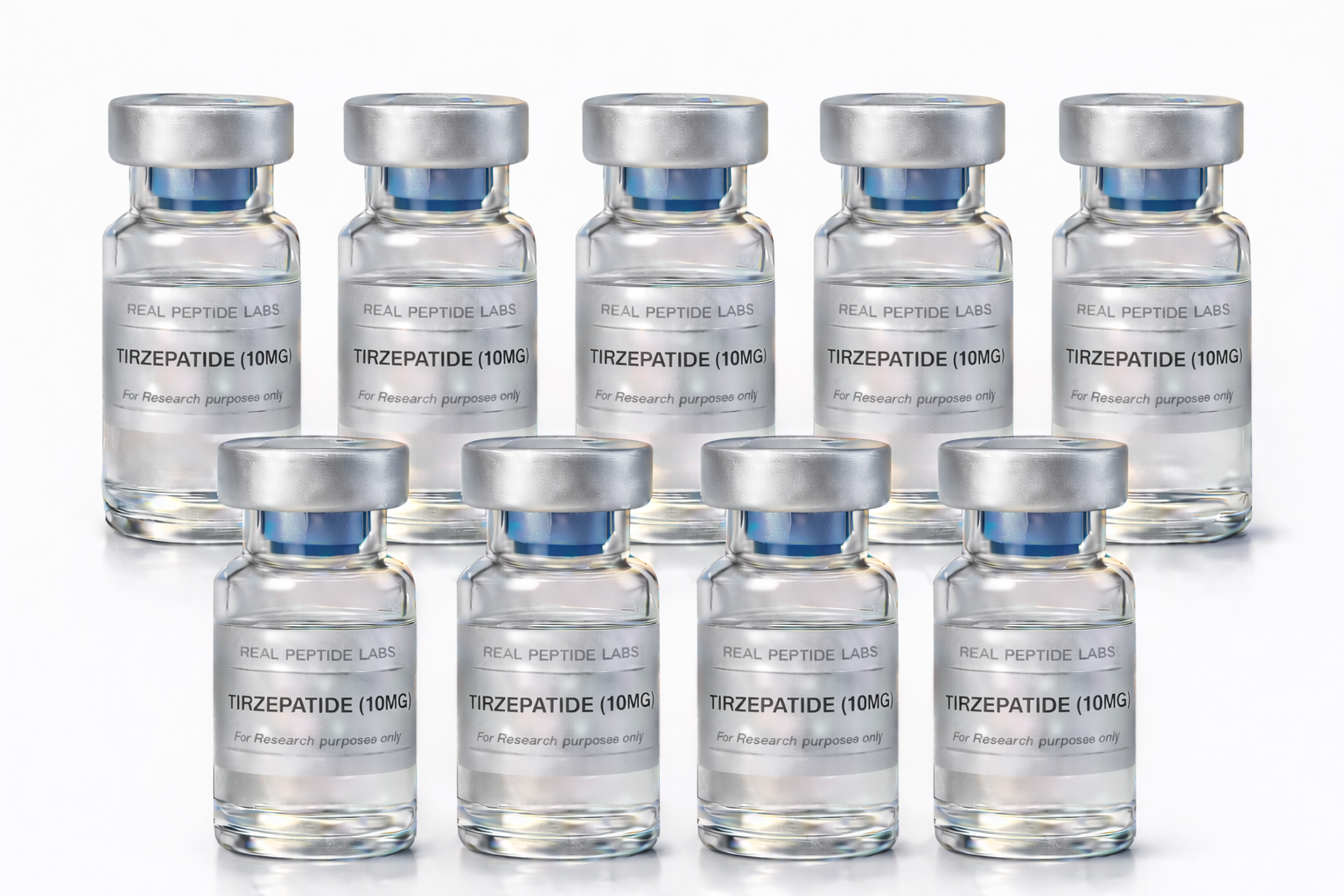
Tirzepatide is a once-weekly prescription medication that acts on two incretin hormone pathways—GIP and GLP-1 receptors—to help regulate appetite, blood sugar, and body weight. It works by increasing glucose-dependent insulin secretion, lowering glucagon, delaying gastric emptying, and reducing food intake; in practice, that means people often feel fuller sooner, eat less, and see improvements in blood sugar control and weight reduction. FDA labeling describes tirzepatide as a GIP receptor and GLP-1 receptor agonist.
Potential benefits of tirzepatide include lower blood sugar, reduced appetite, significant weight loss, improved insulin sensitivity, and lower calorie intake, with research and FDA materials also noting greater loss of fat mass than lean mass. Because it affects gut hormones and metabolism, it can also slow digestion and help reduce post-meal glucose spikes.
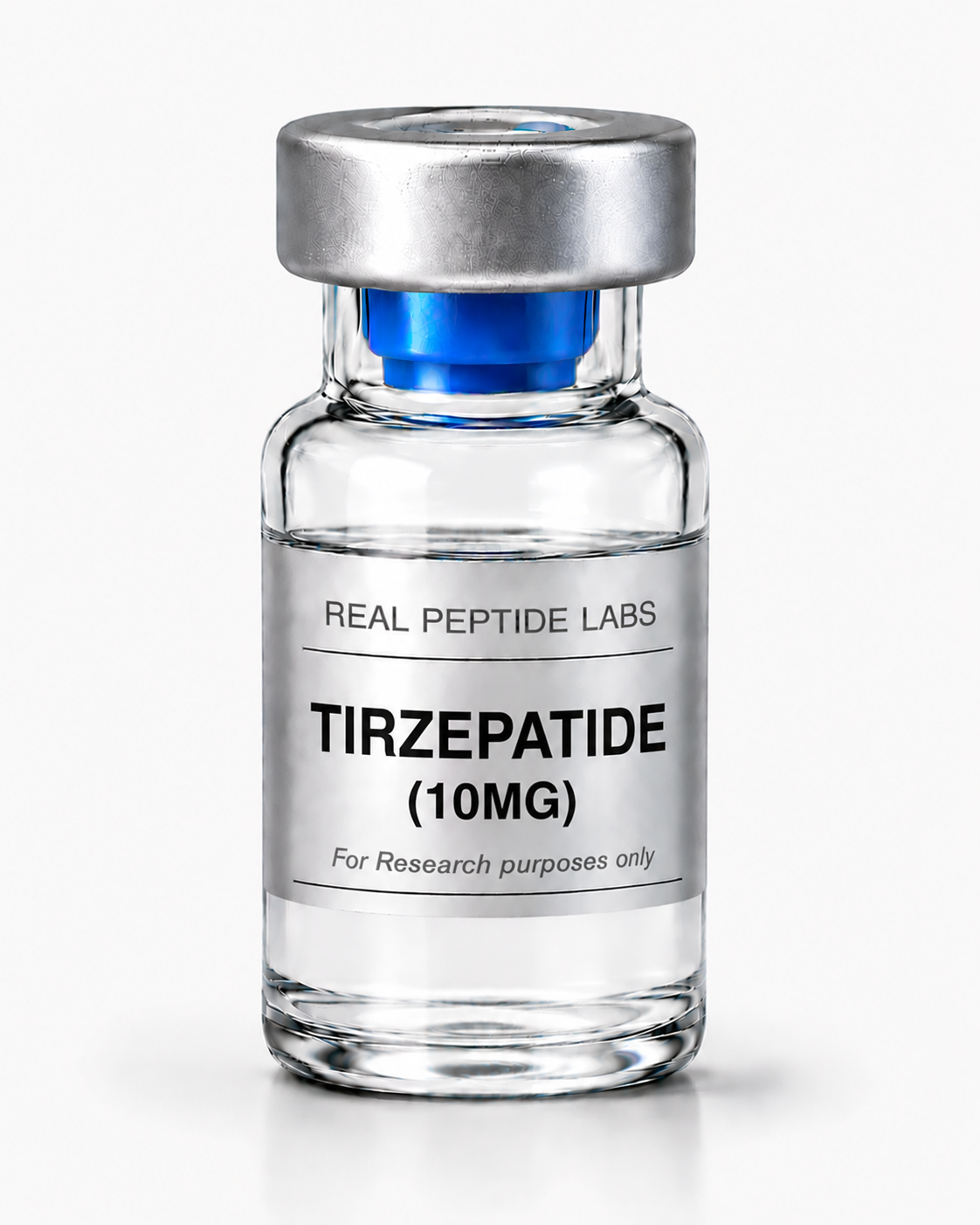
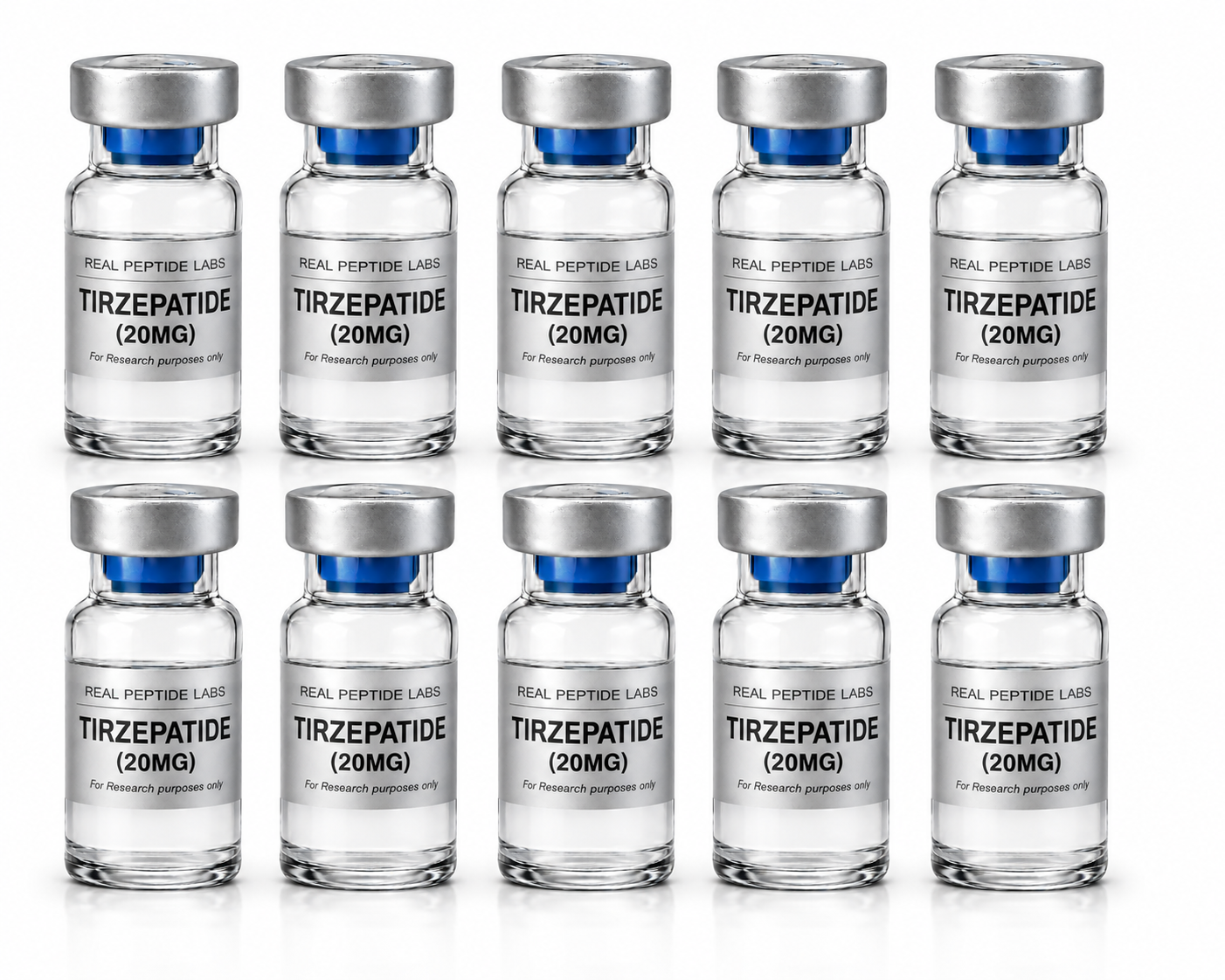
Tirzepatide is a once-weekly prescription medication that acts on two incretin hormone pathways—GIP and GLP-1 receptors—to help regulate appetite, blood sugar, and body weight. It works by increasing glucose-dependent insulin secretion, lowering glucagon, delaying gastric emptying, and reducing food intake; in practice, that means people often feel fuller sooner, eat less, and see improvements in blood sugar control and weight reduction. FDA labeling describes tirzepatide as a GIP receptor and GLP-1 receptor agonist.
Potential benefits of tirzepatide include lower blood sugar, reduced appetite, significant weight loss, improved insulin sensitivity, and lower calorie intake, with research and FDA materials also noting greater loss of fat mass than lean mass. Because it affects gut hormones and metabolism, it can also slow digestion and help reduce post-meal glucose spikes.
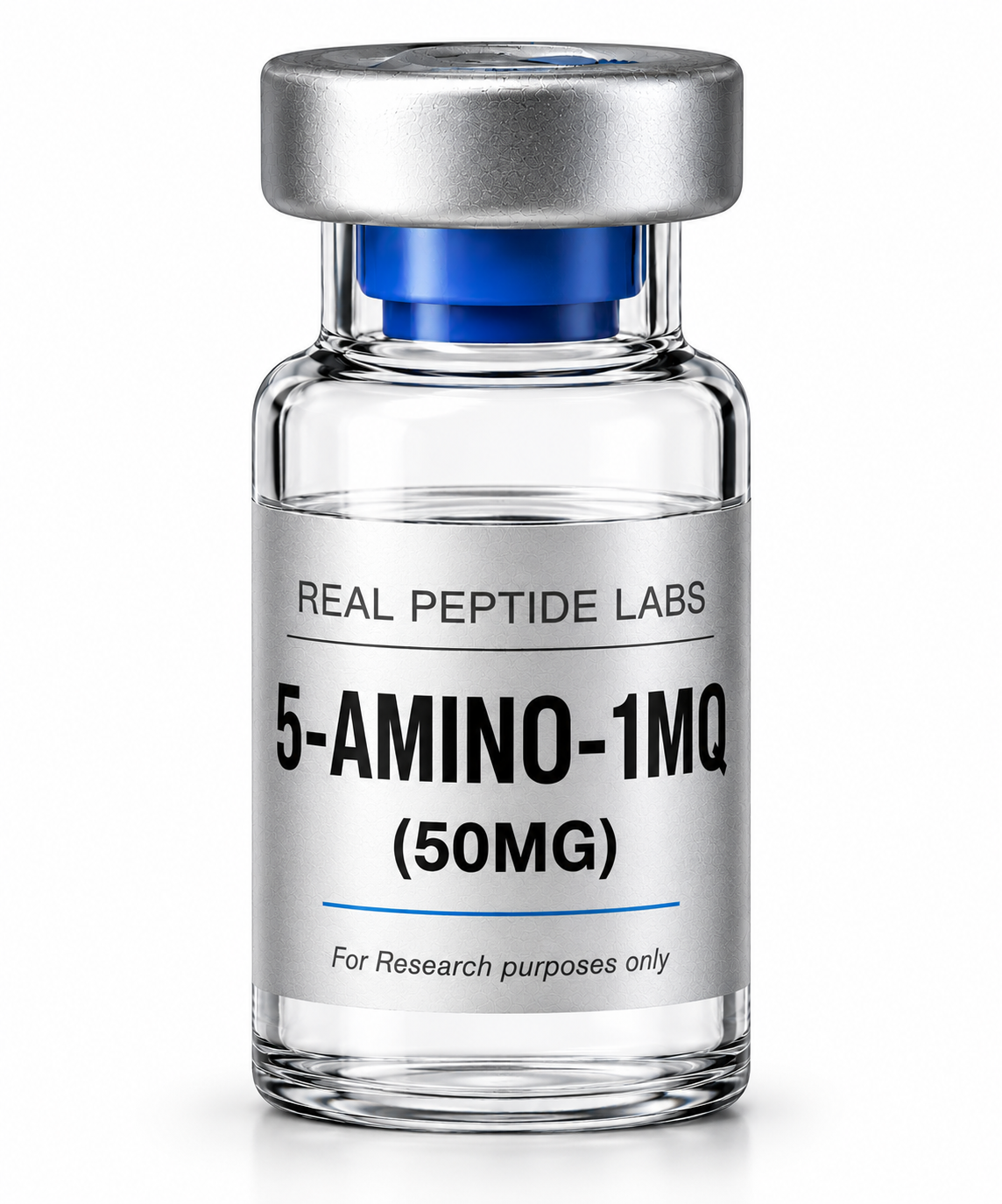
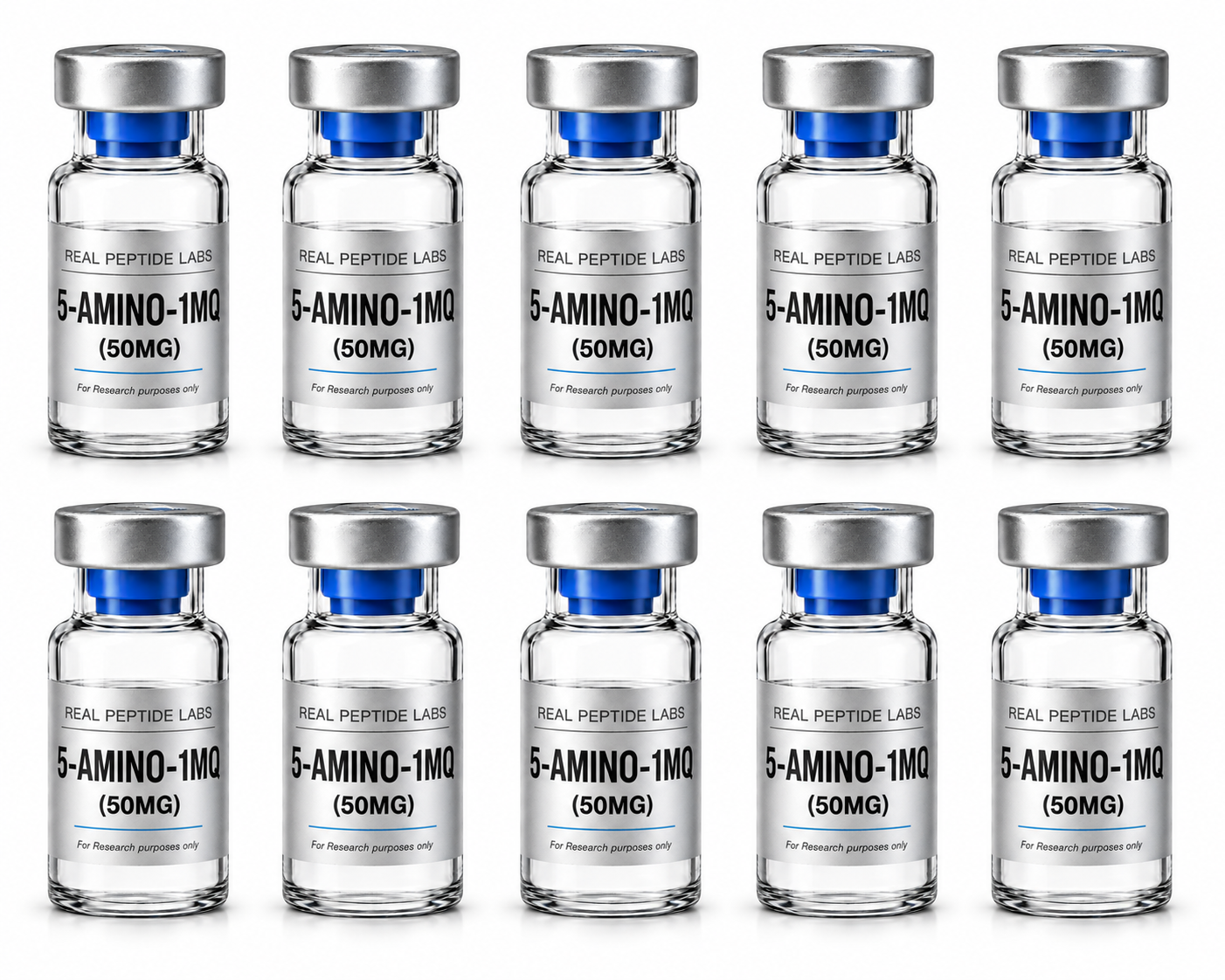
5-Amino-1MQ is a small molecule researched for its potential to support healthy metabolism, fat metabolism, and body composition. It is commonly used for its ability to inhibit the NNMT (Nicotinamide N-methyltransferase) enzyme, which may help improve metabolic efficiency, support energy utilization, and promote a leaner body composition in research models.
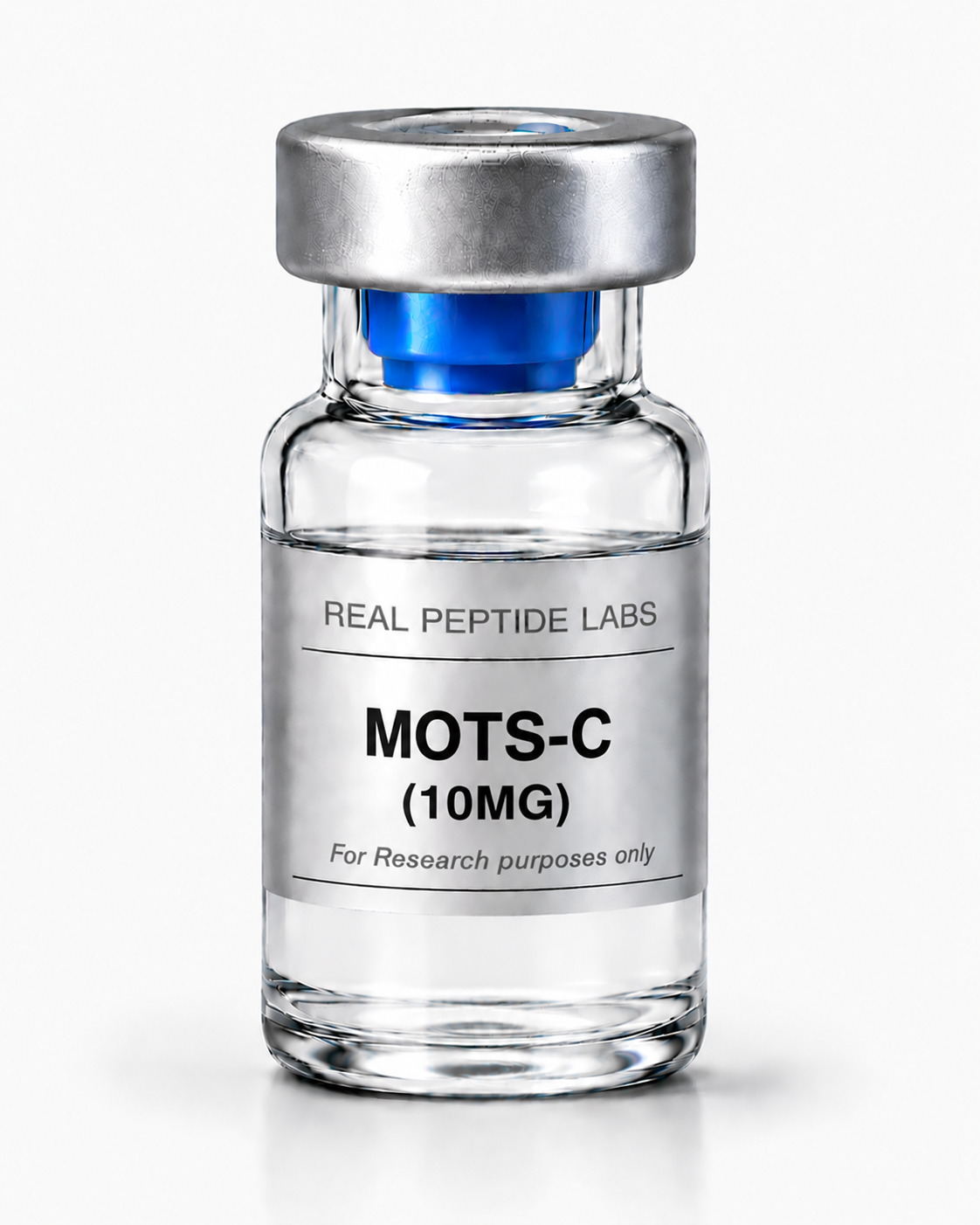
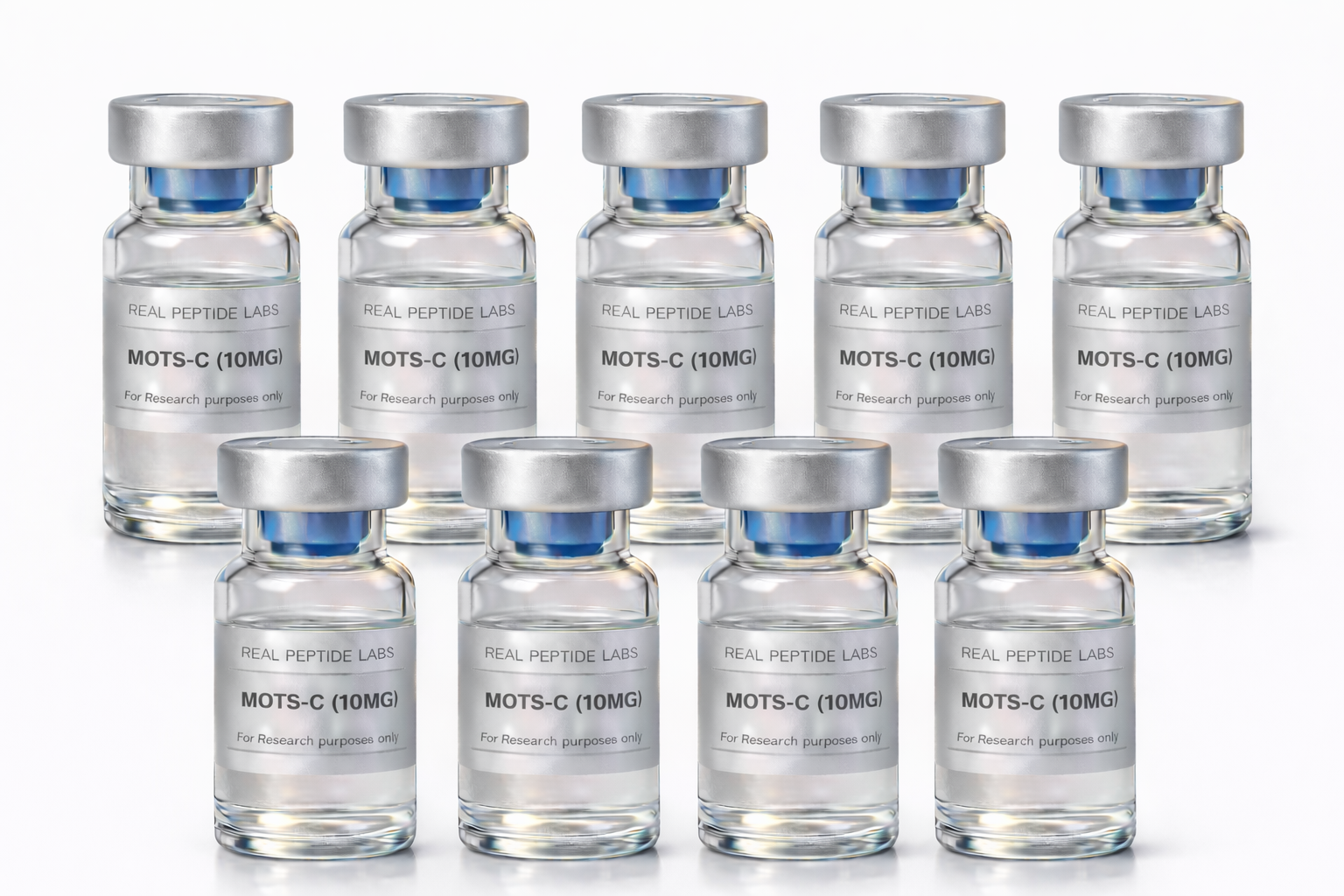
MOTS-C is a naturally occurring peptide encoded within mitochondrial DNA and plays a role in regulating cellular energy metabolism. Unlike many peptides that originate from nuclear DNA, MOTS-C is produced inside the mitochondria—the “powerhouses” of cells—and is involved in helping the body adapt to metabolic stress. Research suggests that MOTS-C may improve insulin sensitivity, enhance glucose utilization, and promote metabolic flexibility, meaning the body becomes more efficient at switching between burning carbohydrates and fats for energy. Because of these properties, it has been studied for its potential influence on weight management, exercise performance, and metabolic health.

Healing & Recovery Peptides
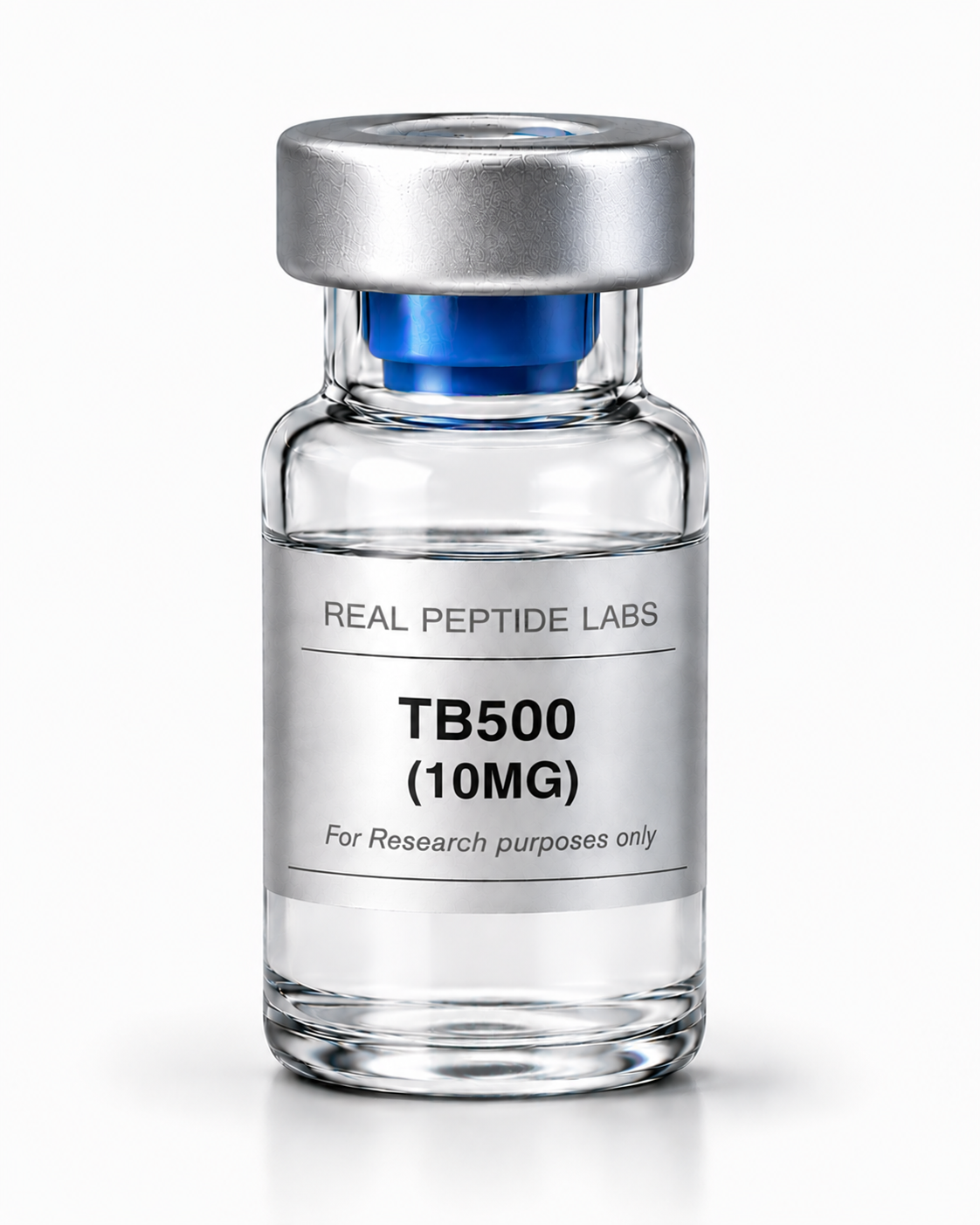
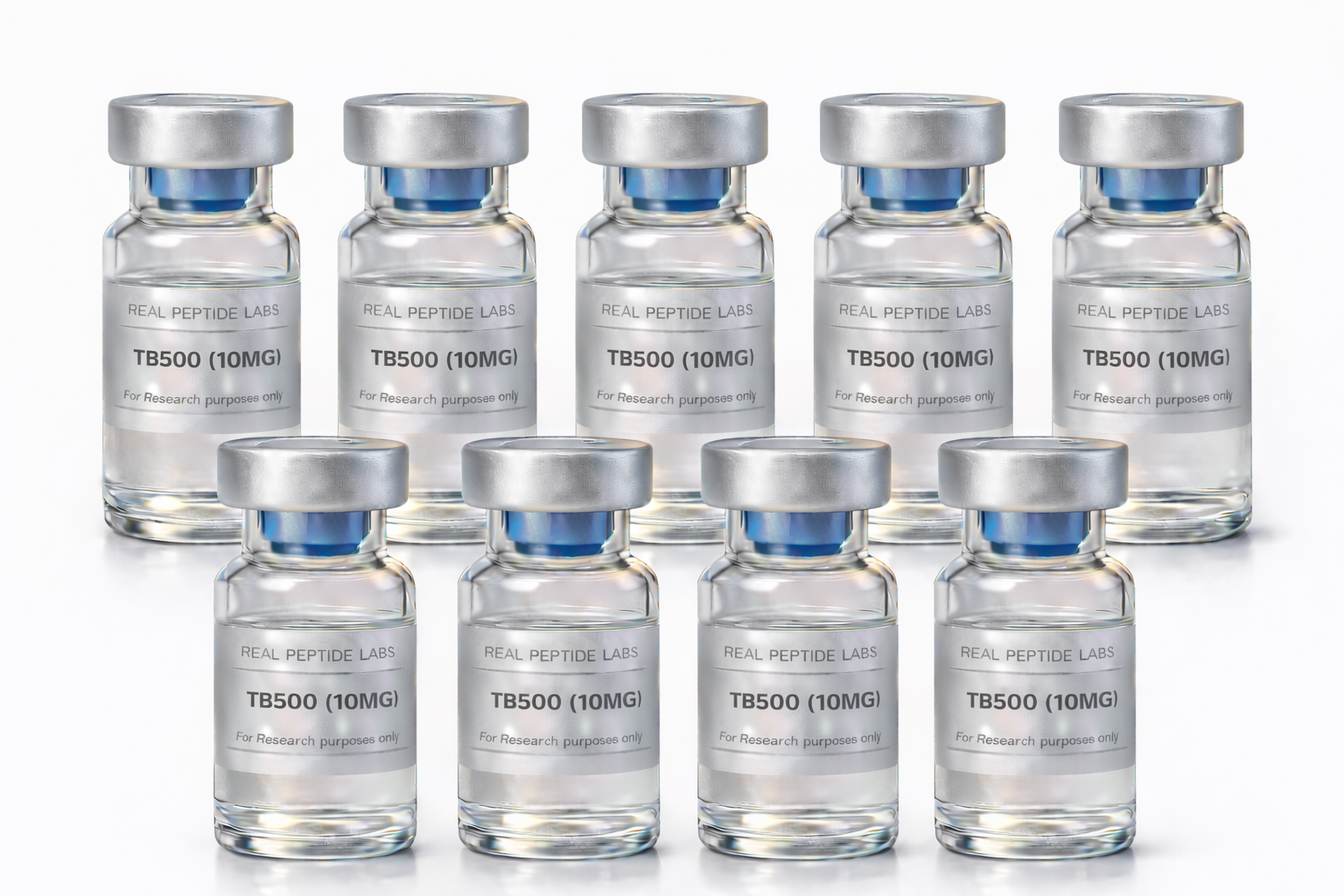
TB-500 is a synthetic peptide derived from thymosin beta-4, a naturally occurring protein found in many human tissues that plays a role in cell migration, tissue repair, and inflammation regulation. TB-500 is studied primarily for its potential to support recovery from injury by promoting the formation of new blood vessels (angiogenesis), enhancing cell movement to damaged areas, and encouraging tissue regeneration. In research settings, it has been associated with supporting healing of muscles, tendons, ligaments, and other connective tissues, which is why it is often discussed in the context of injury recovery and athletic performance.
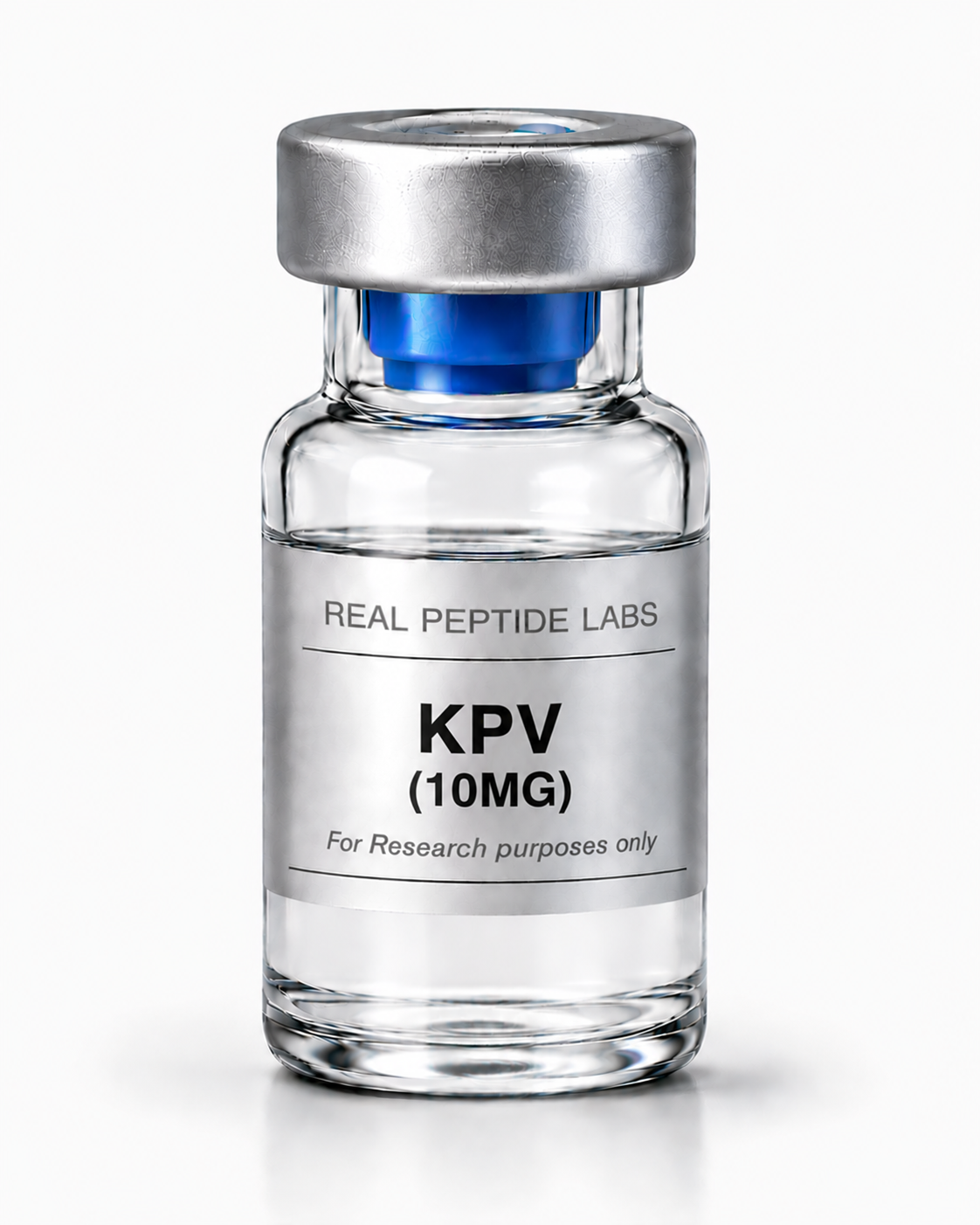
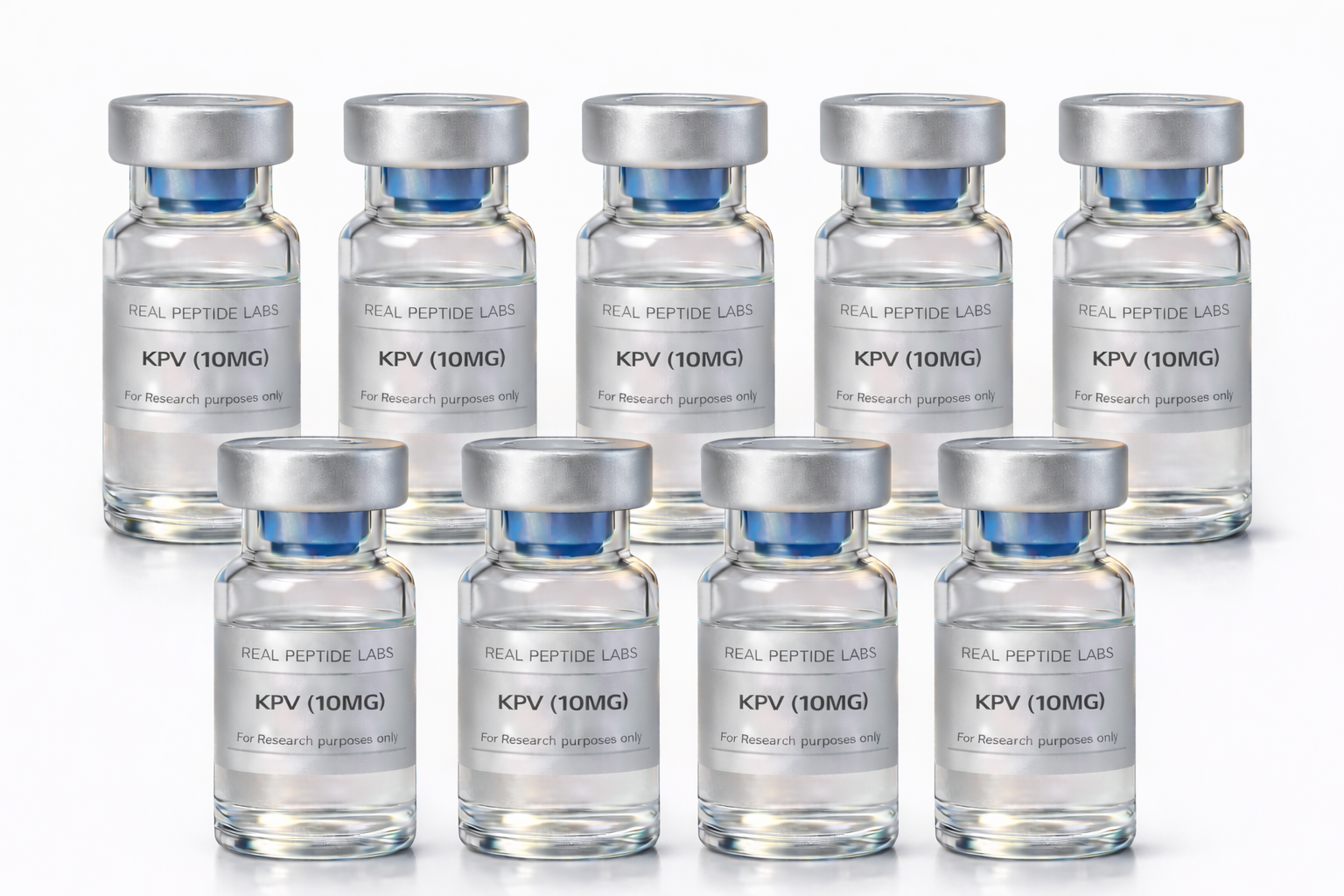
KPV is a short peptide composed of three amino acids (lysine–proline–valine) and is derived from alpha-melanocyte–stimulating hormone (α-MSH), a naturally occurring hormone involved in regulating inflammation and immune response. KPV has been studied primarily for its anti-inflammatory properties and its ability to help modulate immune activity. Research suggests it may work by reducing the production of pro-inflammatory cytokines, which are signaling molecules that contribute to inflammation in the body. Because of this mechanism, KPV has been explored in experimental settings for conditions involving excessive inflammation, particularly in the gastrointestinal tract and skin.
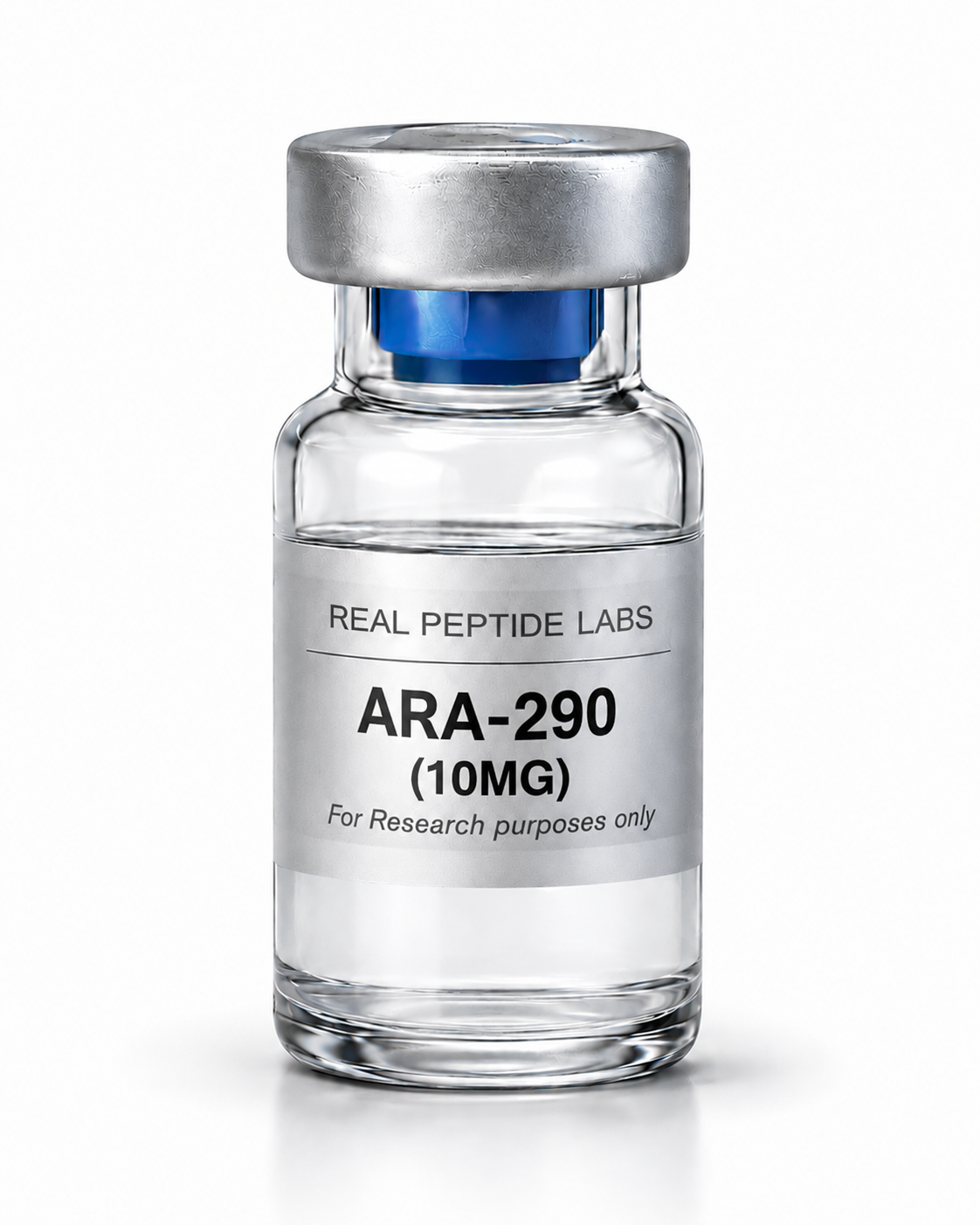
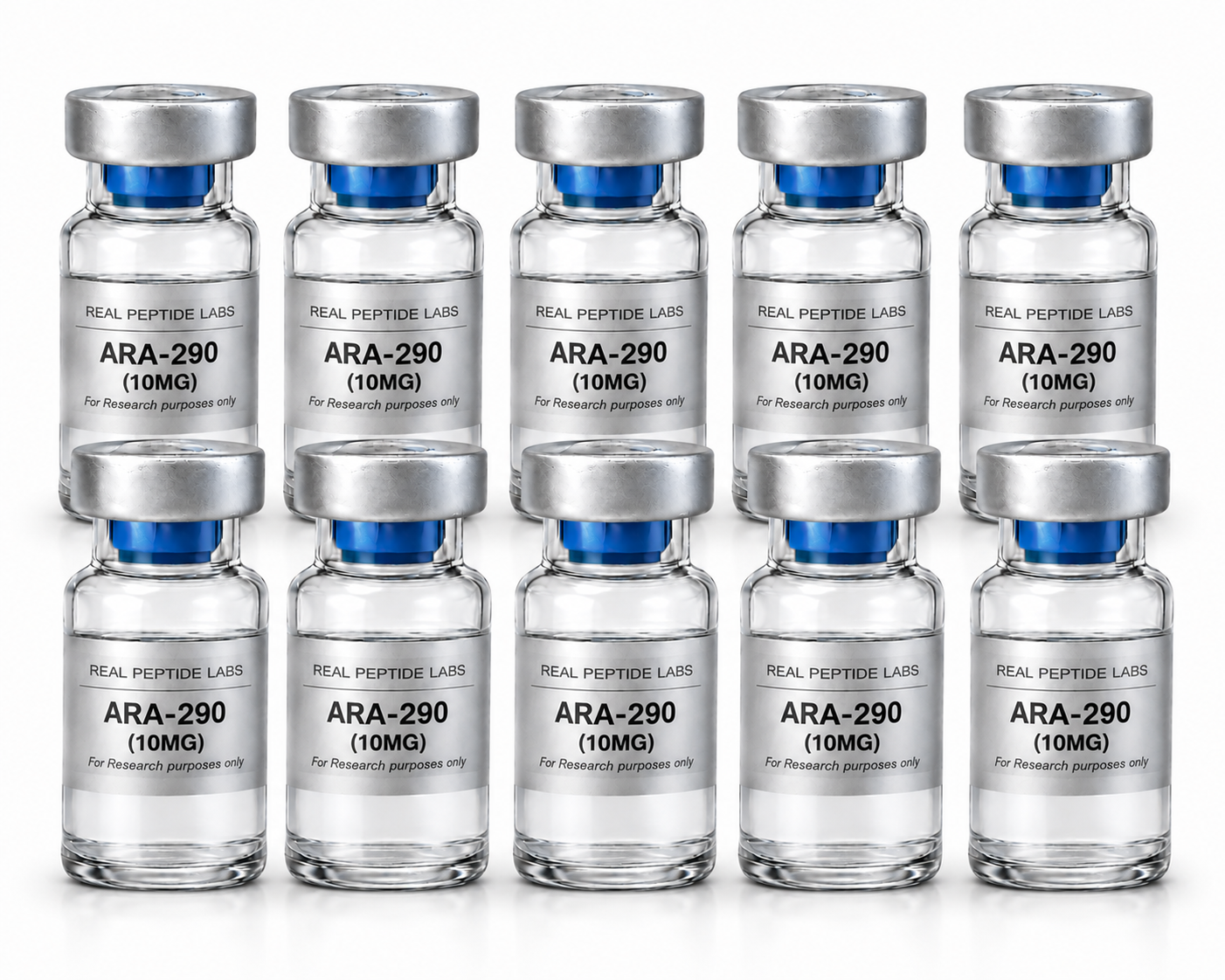
ARA-290 (also known as cibinetide) is a peptide researched for its potential to support nerve repair, tissue regeneration, and healthy inflammatory responses. Studies have shown its role in promoting recovery of damaged nerve tissue, supporting cellular repair mechanisms, and reducing inflammation associated with neuropathic conditions, making it a promising focus in regenerative medicine research.
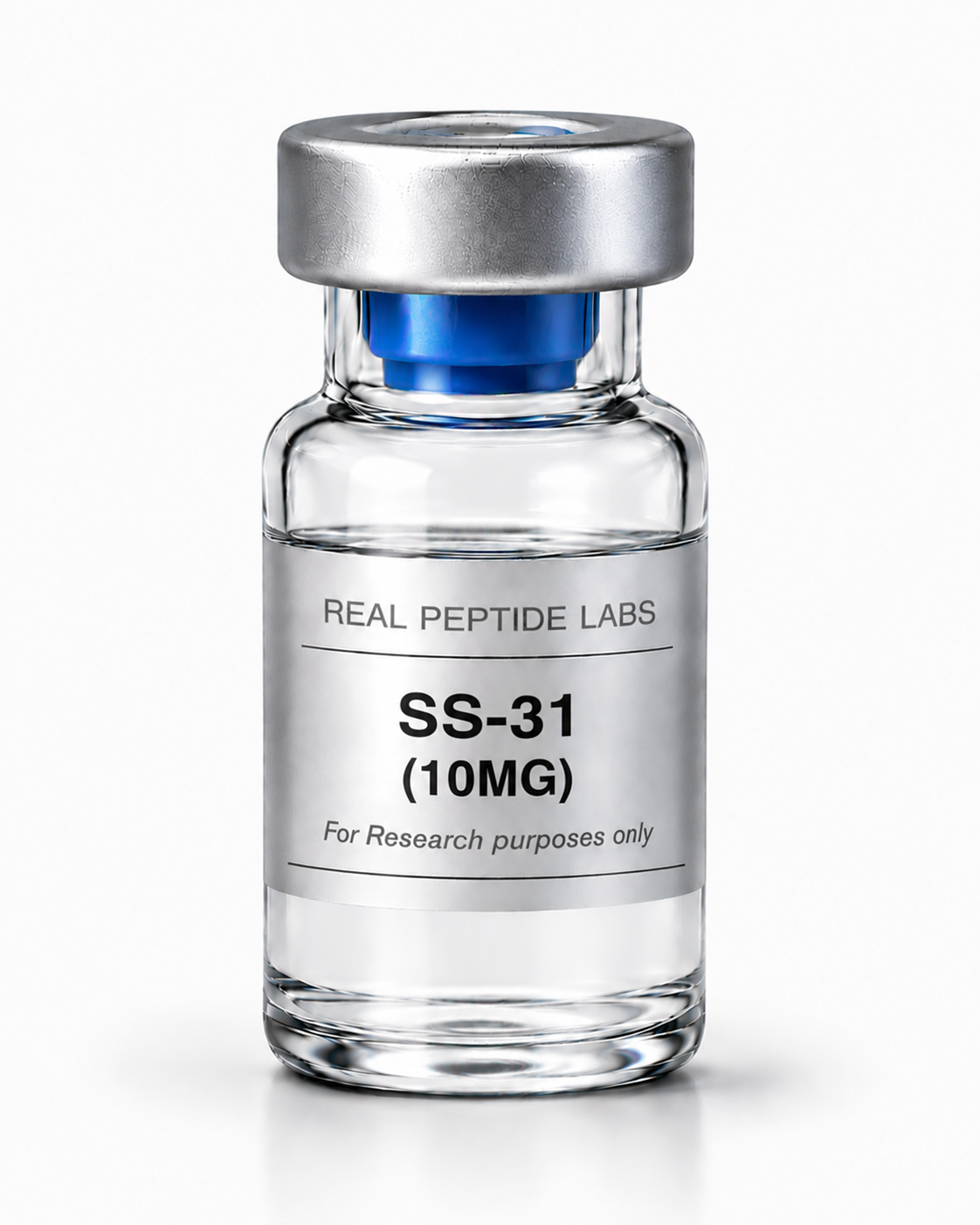
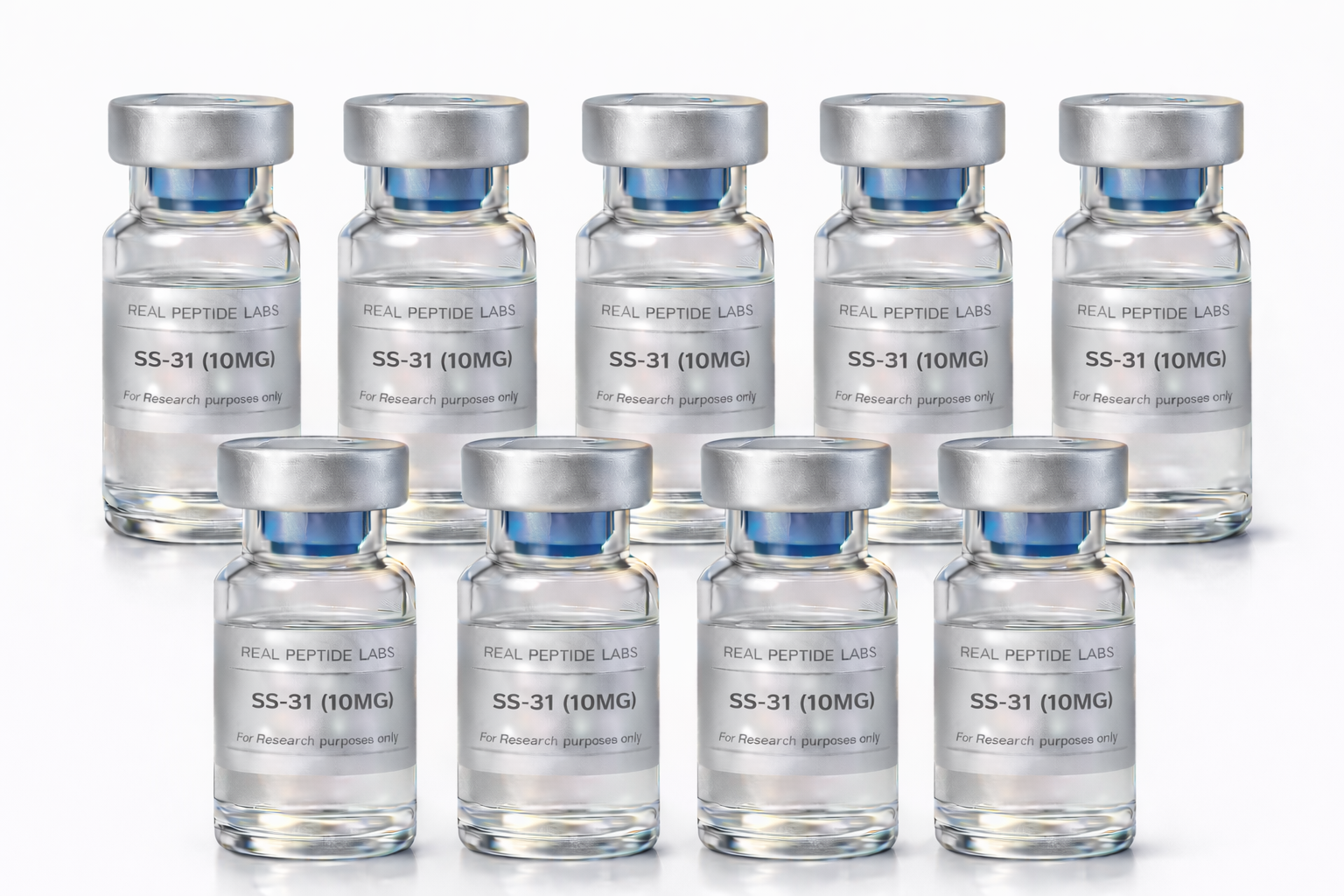
SS-31, also known as elamipretide, is a mitochondria-targeting peptide designed to protect and improve mitochondrial function. Mitochondria are the parts of cells responsible for producing energy, so SS-31 is studied for its potential to help cells make energy more efficiently and withstand oxidative stress. It works by interacting with cardiolipin, a key phospholipid in the inner mitochondrial membrane, which helps stabilize mitochondrial structure and support more efficient energy production. Because of this, SS-31 has been investigated for possible benefits related to fatigue, muscle function, cardiovascular health, and protection of tissues under metabolic stress.
Potential benefits associated with SS-31 in research include improved cellular energy output, reduced oxidative damage, better muscle endurance, and support for heart and kidney function in certain disease models. It has also been studied for age-related mitochondrial decline, where improving mitochondrial efficiency could theoretically help tissues function better over time. Unlike many general antioxidants, SS-31 is notable because it is designed to go directly to the mitochondria rather than acting broadly throughout the body...
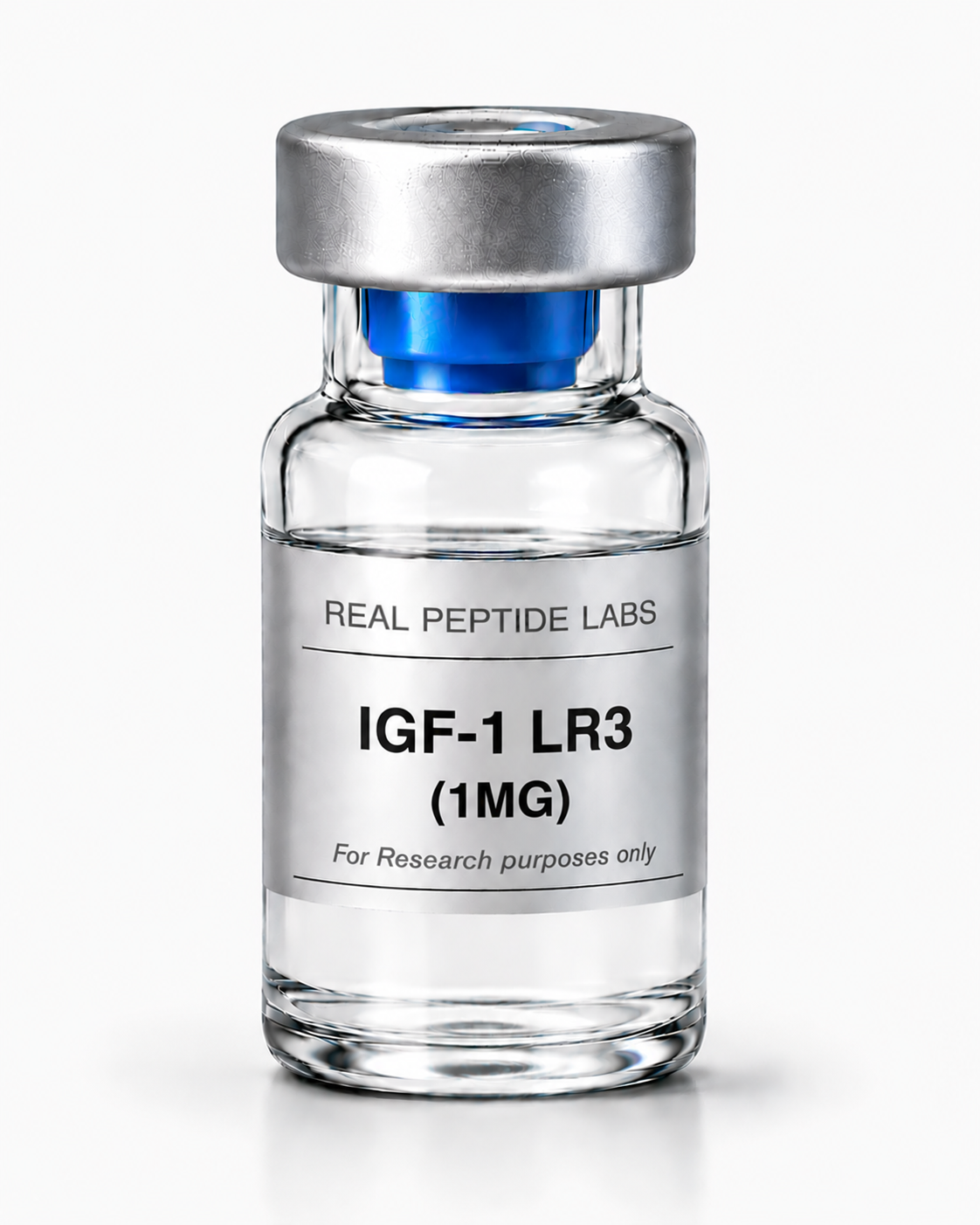
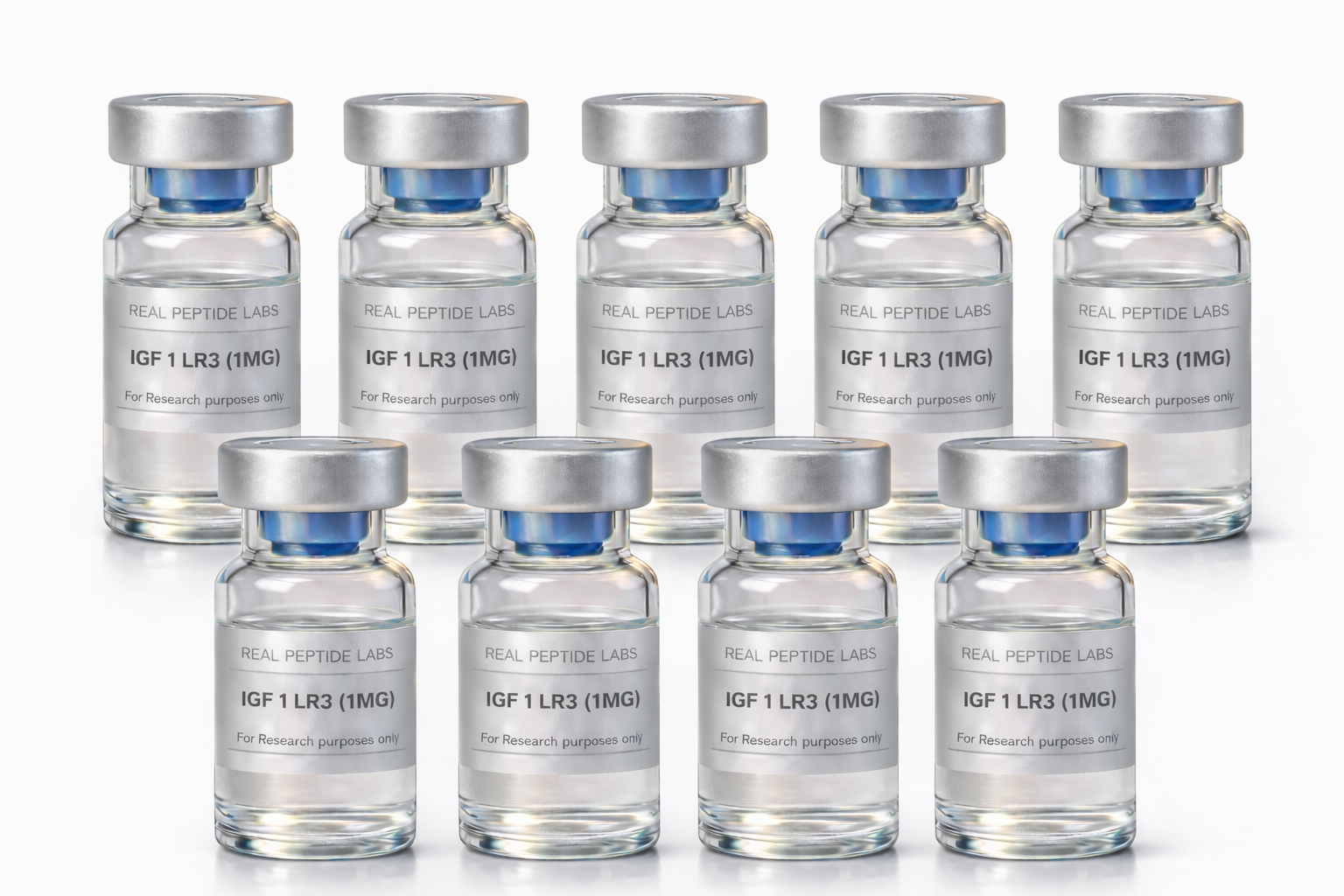
IGF-1 LR3 is a synthetic, long-acting analog of insulin-like growth factor 1 (IGF-1), a naturally occurring hormone in the body that plays a key role in growth, tissue repair, and cellular regeneration. IGF-1 LR3 is modified to extend its half-life in the bloodstream, allowing it to remain active longer than natural IGF-1. In research and performance-focused contexts, it is often associated with supporting muscle protein synthesis, enhancing muscle growth, and improving recovery by stimulating cellular proliferation and nutrient uptake in muscle tissue. It may also influence glucose metabolism and increase the efficiency with which cells utilize nutrients for repair and growth.
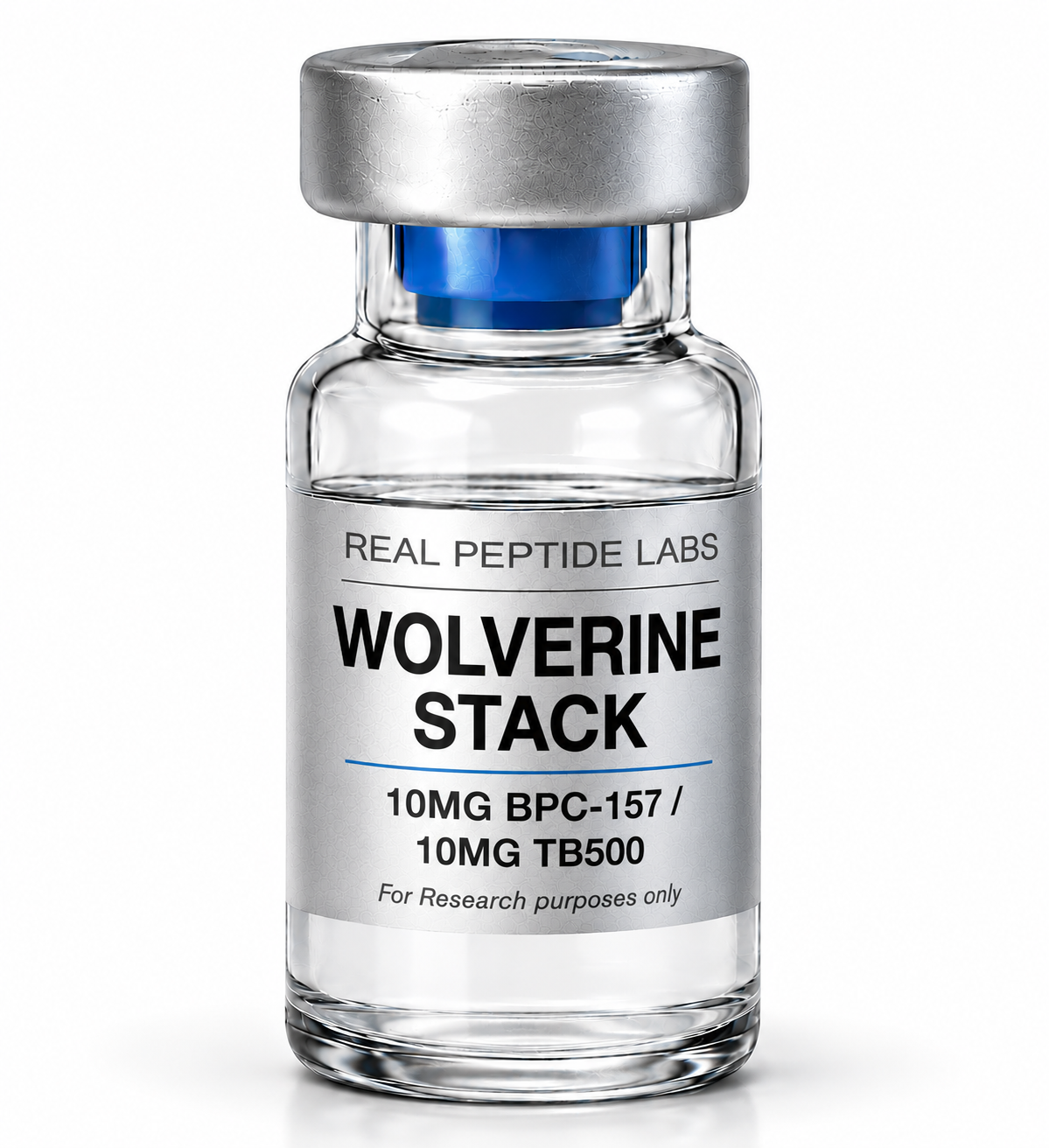
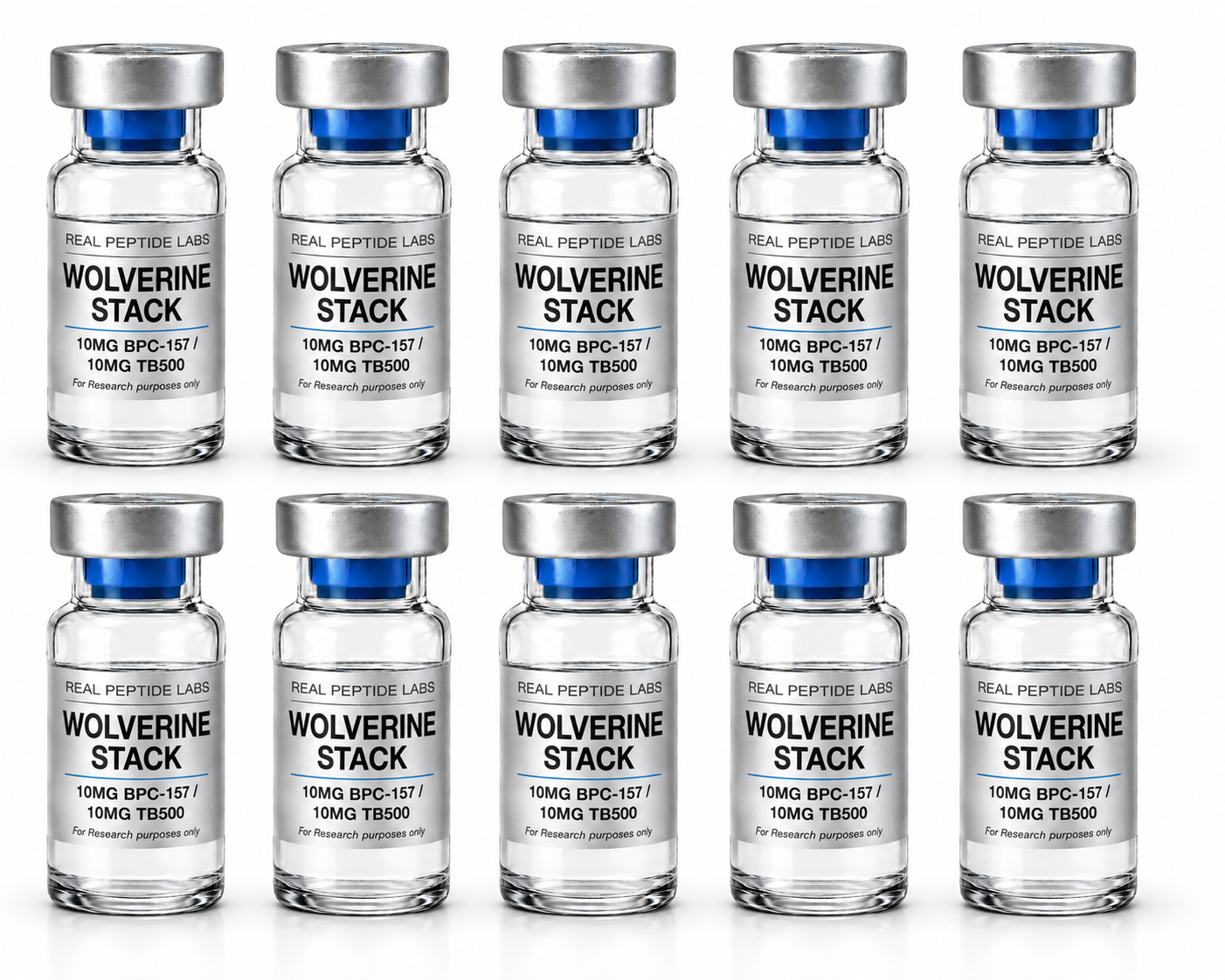
Wolverine Stack combines BPC-157 and TB-500, two peptides commonly researched together for their potential to support tissue repair, recovery, and regeneration. This combination is frequently used for its potential role in supporting muscles, tendons, ligaments, and connective tissue, while promoting recovery following physical stress or injury.
Immunity Support Peptides
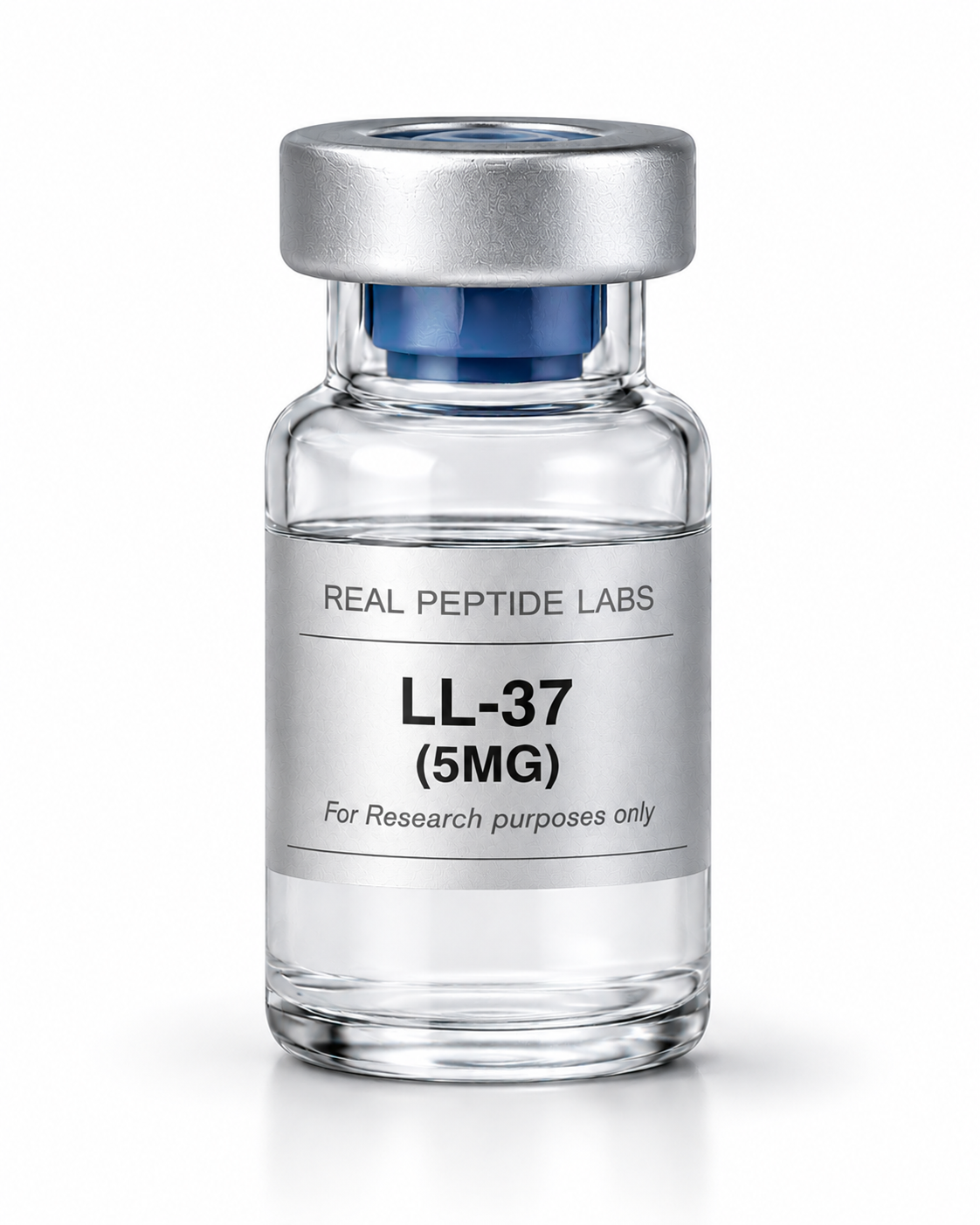
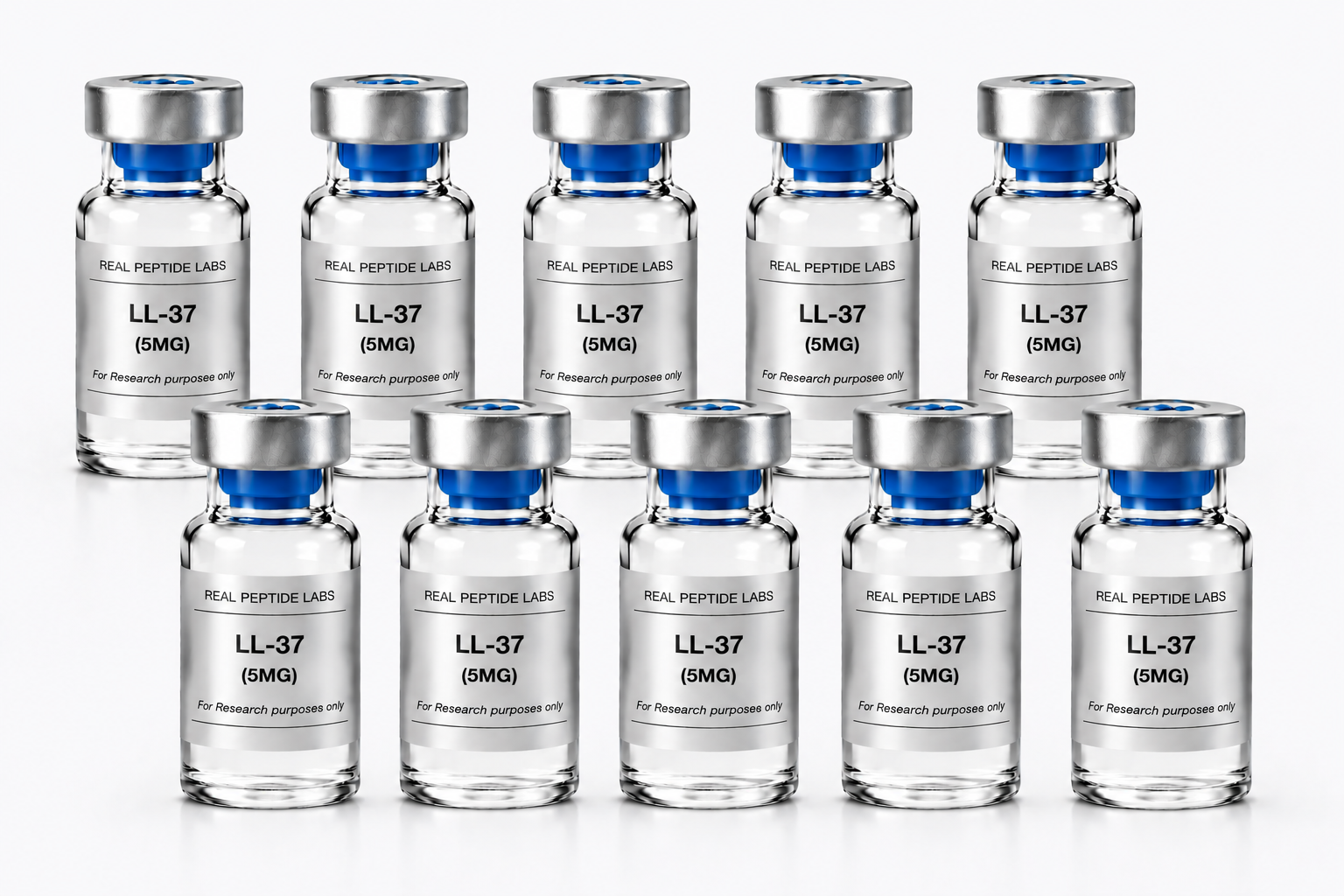
LL-37 is a synthetic antimicrobial peptide researched for its potential immune-supportive, healing, and anti-inflammatory properties. Derived from a naturally occurring peptide in the body called cathelicidin, LL-37 may help support the body’s natural defense mechanisms, tissue repair, and recovery processes. Research also suggests it may play a role in wound healing, immune regulation, skin health, and protecting against harmful bacteria, making it a growing area of interest in wellness and regenerative research.
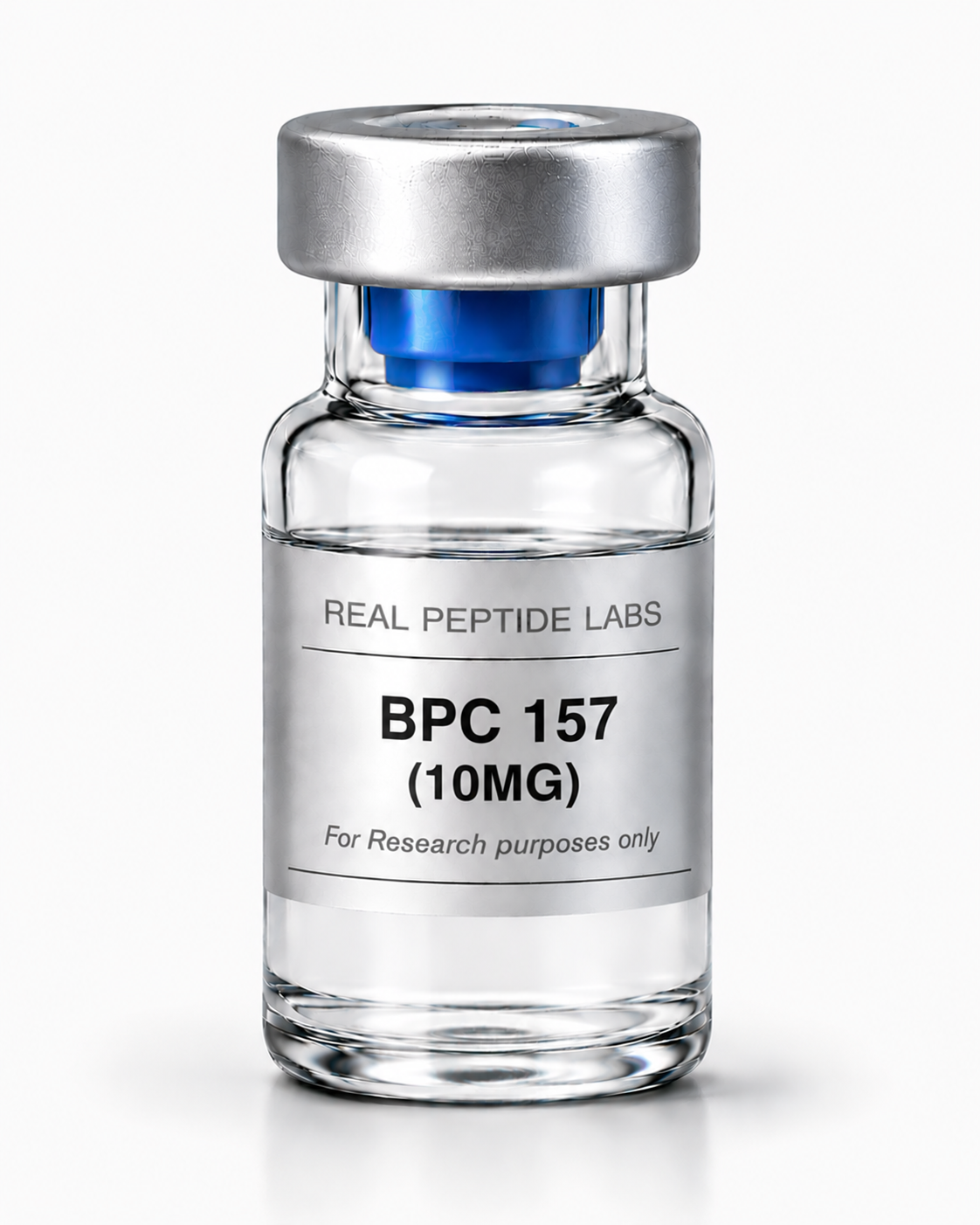
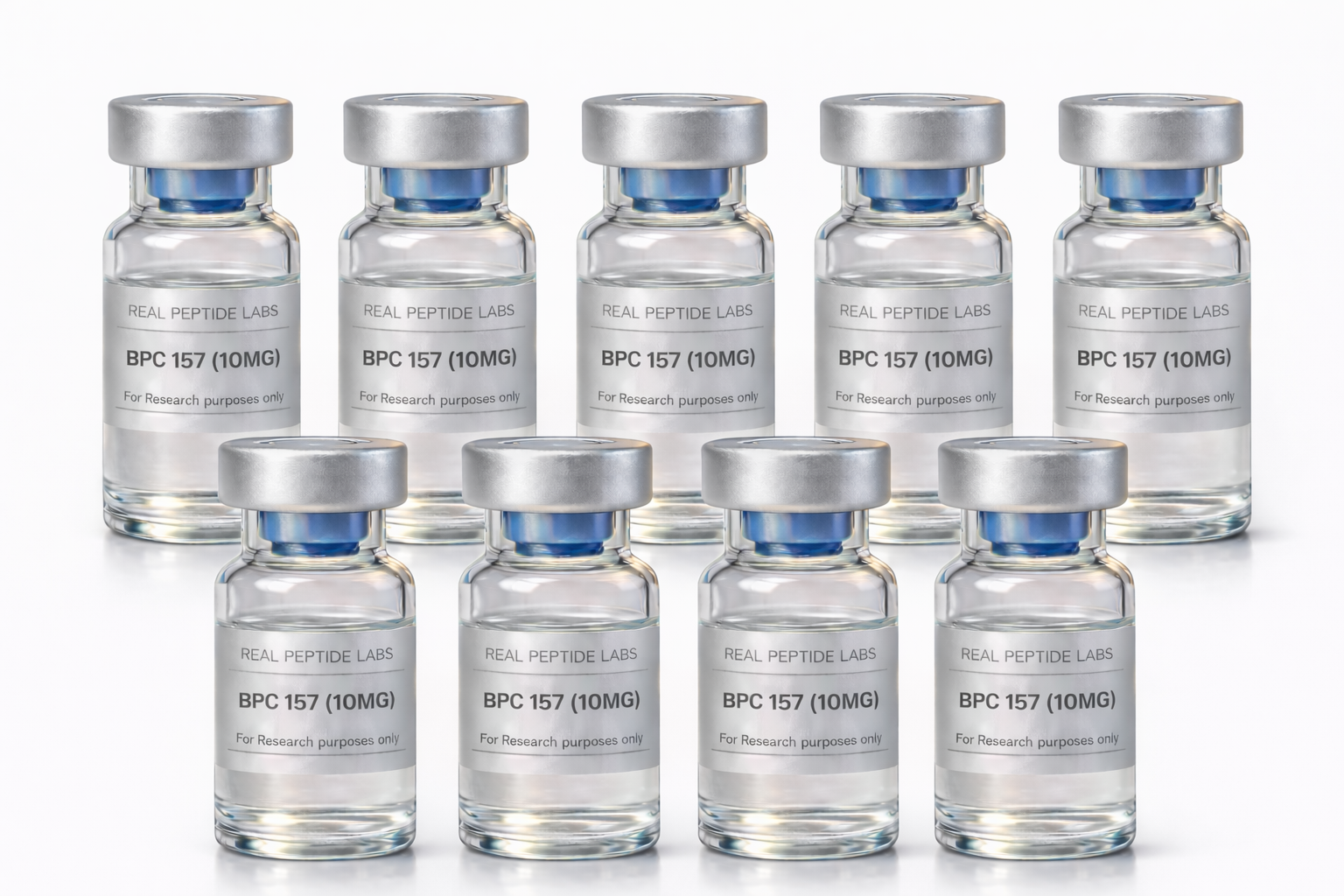
BPC 157 is a synthetic peptide derived from a protein found in human gastric juice known as “Body Protection Compound.” It has been studied primarily for its potential role in promoting tissue repair and healing. In research settings, BPC 157 has been associated with supporting the recovery of tendons, ligaments, muscles, and connective tissue, as well as influencing blood vessel formation (angiogenesis), which may help improve circulation to injured areas. It has also been explored for its potential protective effects on the gastrointestinal tract, including the stomach lining.

Anti-Aging & Longevity Peptides
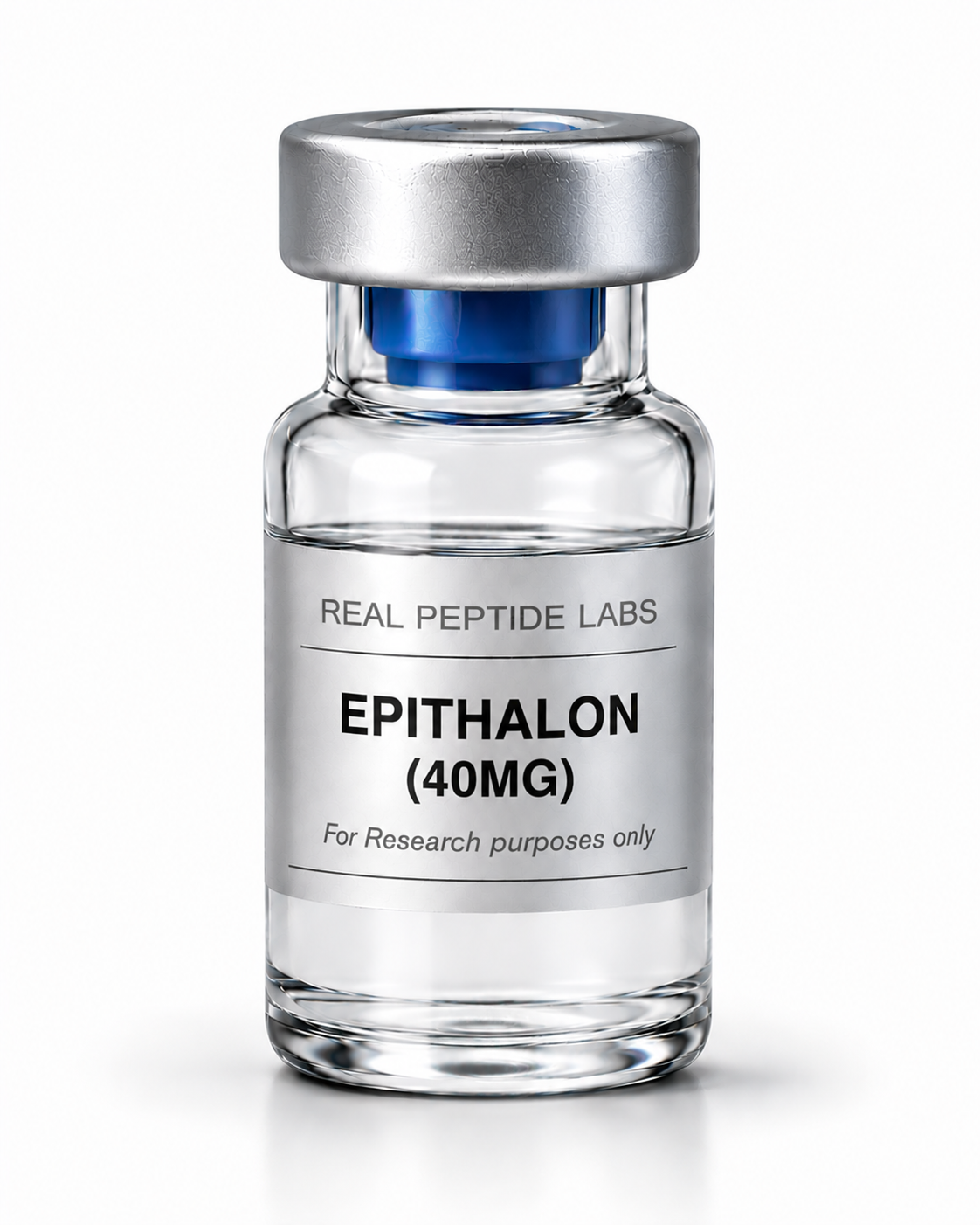
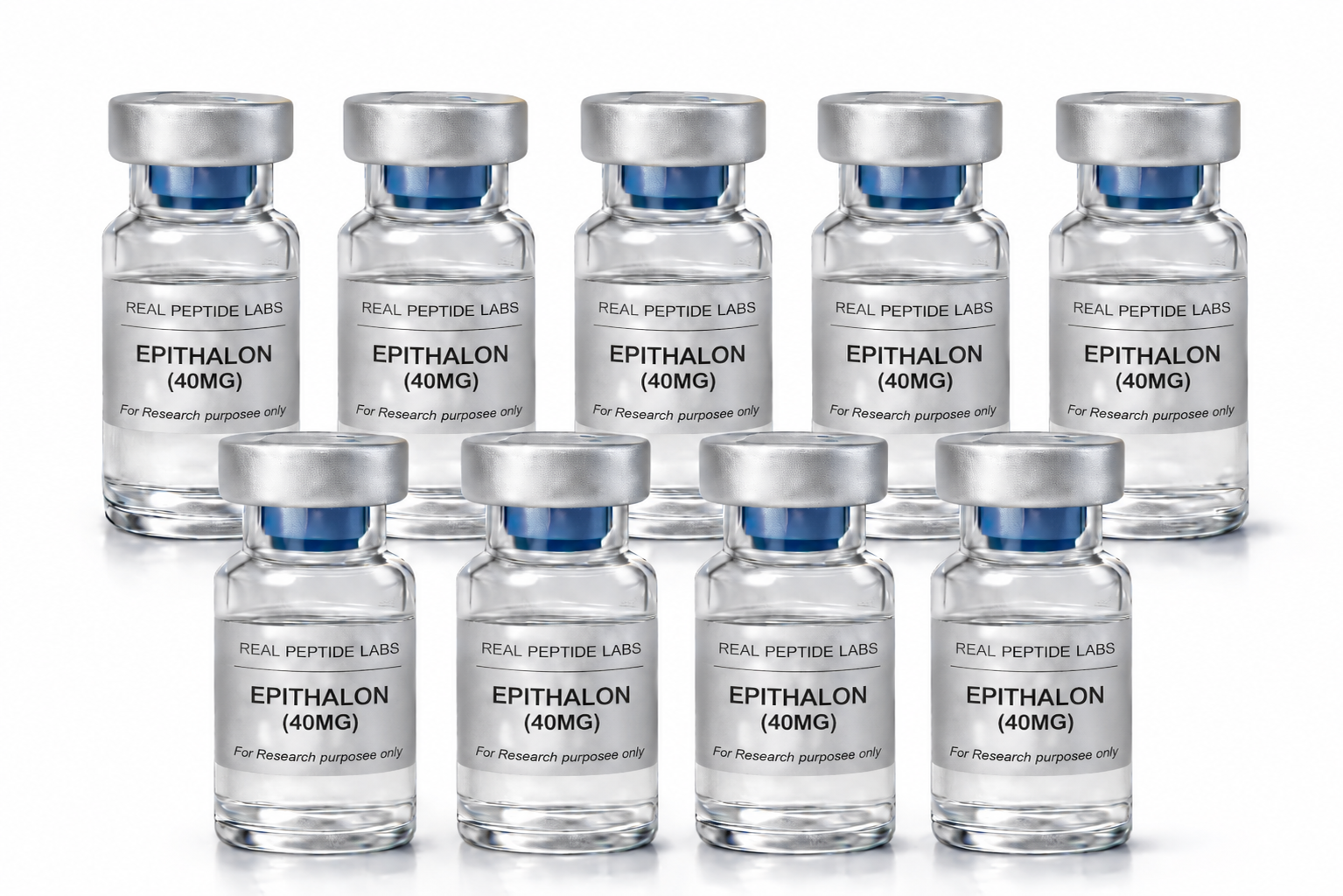
Epithalon is a synthetic peptide researched for its potential anti-aging, longevity, and cellular health benefits. It is believed to support telomerase activity, which may help maintain telomere length associated with healthy aging and cellular function. Research also suggests Epithalon may support sleep quality, immune function, antioxidant activity, and overall wellness, making it a popular peptide in longevity and regenerative health research.
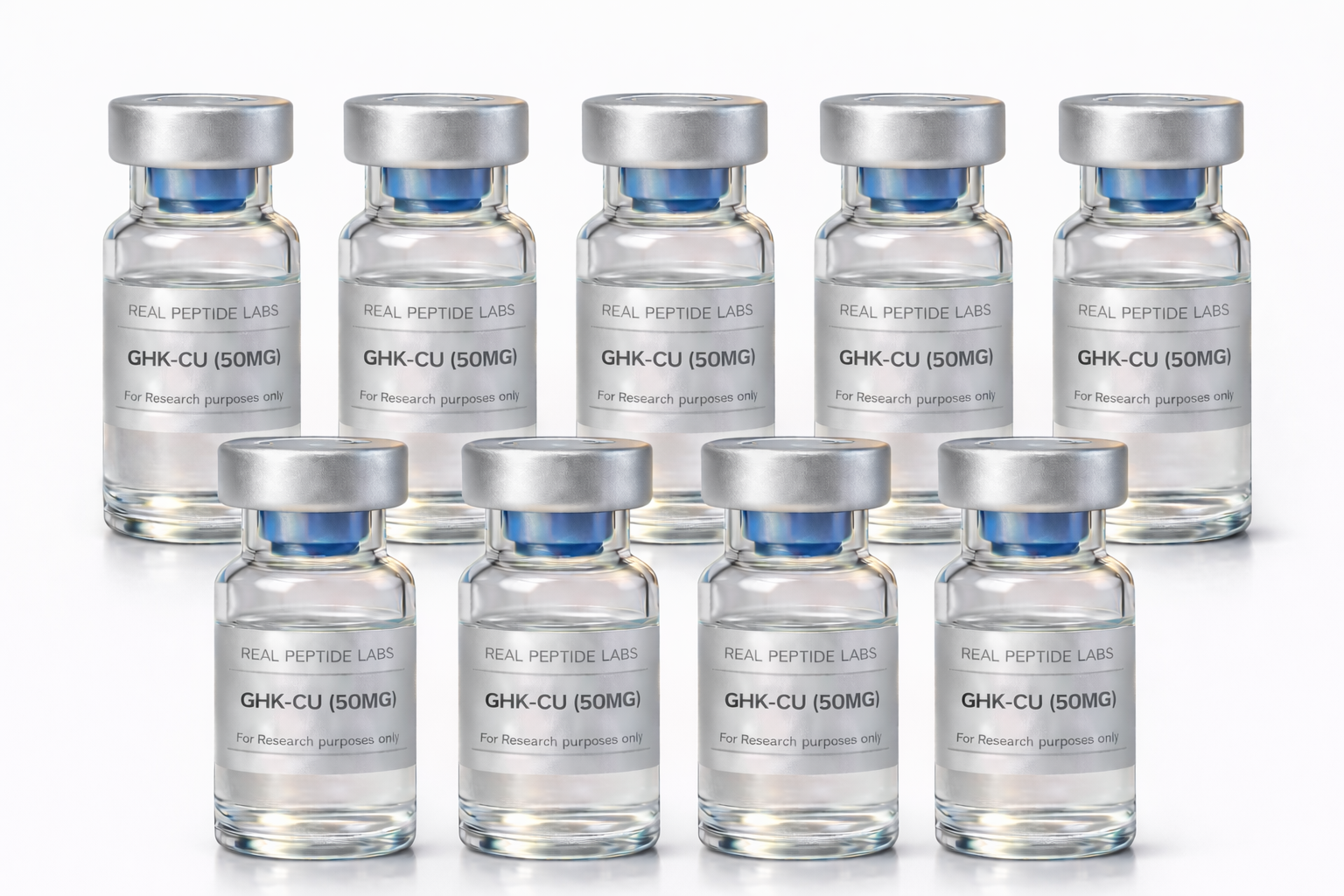
GHK-Cu (glycyl-L-histidyl-L-lysine copper) is a naturally occurring copper-binding peptide found in human plasma, saliva, and urine. It plays a role in tissue repair, wound healing, and skin regeneration by signaling cells to activate repair processes. GHK-Cu has been studied for its ability to stimulate collagen and elastin production, support the formation of new blood vessels (angiogenesis), and promote overall skin remodeling. Because collagen and elastin are essential for maintaining skin firmness and elasticity, GHK-Cu is widely researched and used in dermatology and cosmetic formulations for its potential anti-aging and skin-rejuvenating effects.
NAD+ (nicotinamide adenine dinucleotide) is a vital coenzyme found in all living cells and plays a central role in cellular energy production and metabolic function. It is essential for converting nutrients from food into usable energy within the mitochondria, the “power plants” of the cell. NAD+ participates in redox (oxidation-reduction) reactions that drive the production of ATP, the primary energy currency of the body. Beyond energy metabolism, NAD+ is also involved in activating enzymes such as sirtuins and PARPs, which are linked to DNA repair, cellular stress response, and regulation of aging-related pathways.
Beauty Peptides
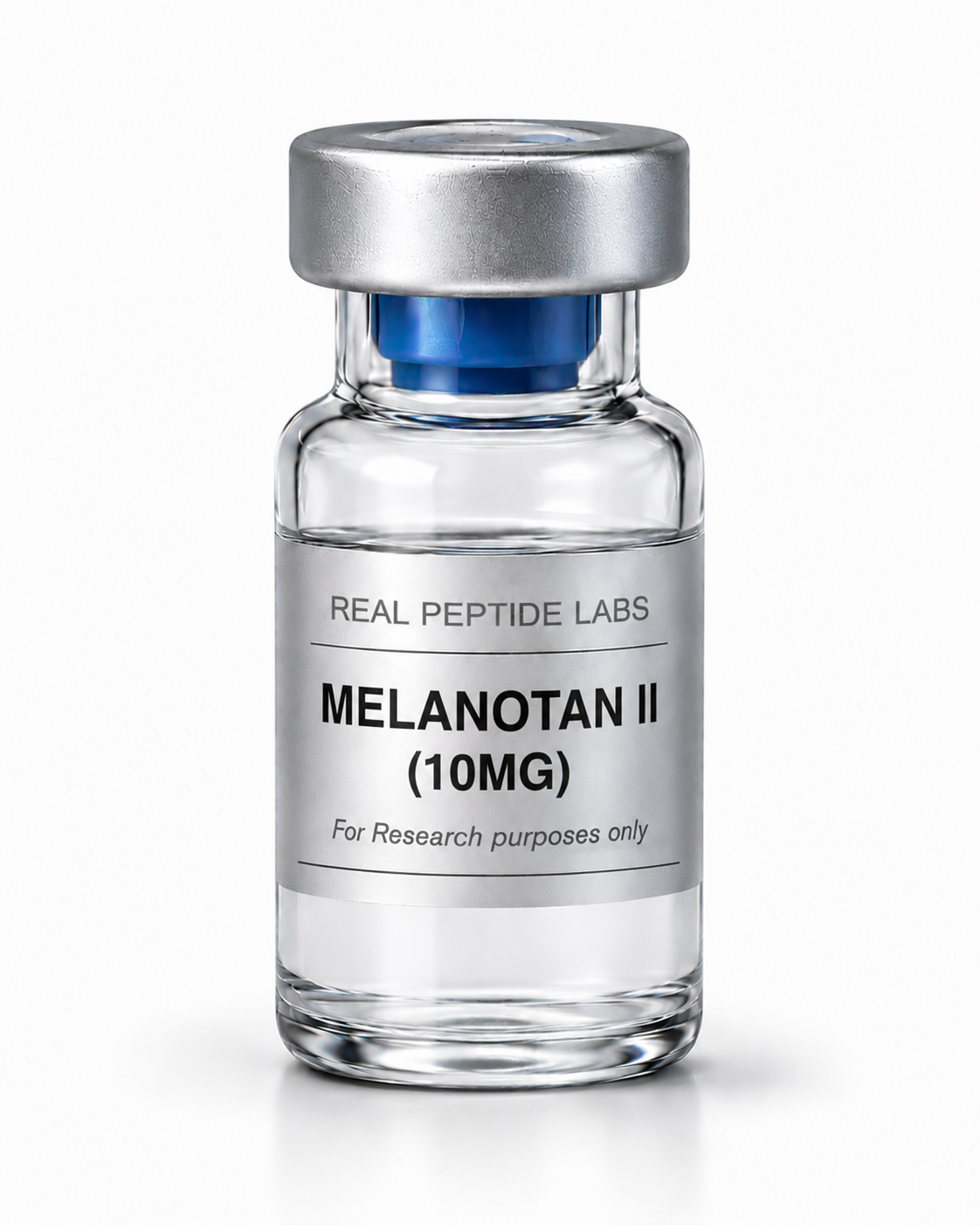
Melanotan II is a synthetic peptide researched for its potential to stimulate melanin production, helping promote a darker skin tone and enhanced tanning response with reduced UV exposure. It works by activating melanocortin receptors in the body and has also been studied for potential effects on libido, appetite regulation, and energy. Melanotan II has gained popularity in wellness and aesthetic research for its potential to support tanning, skin pigmentation, and overall appearance enhancement.
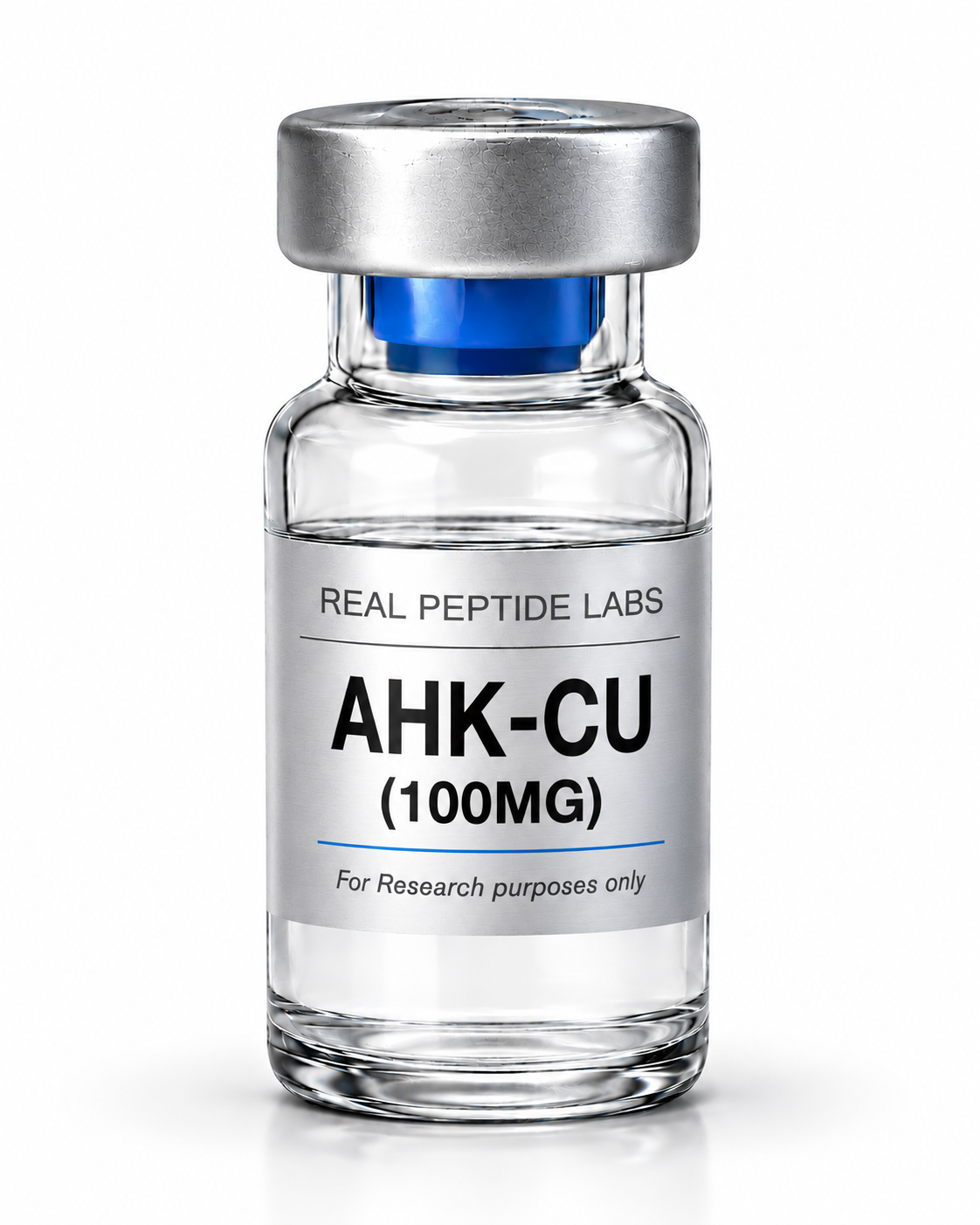
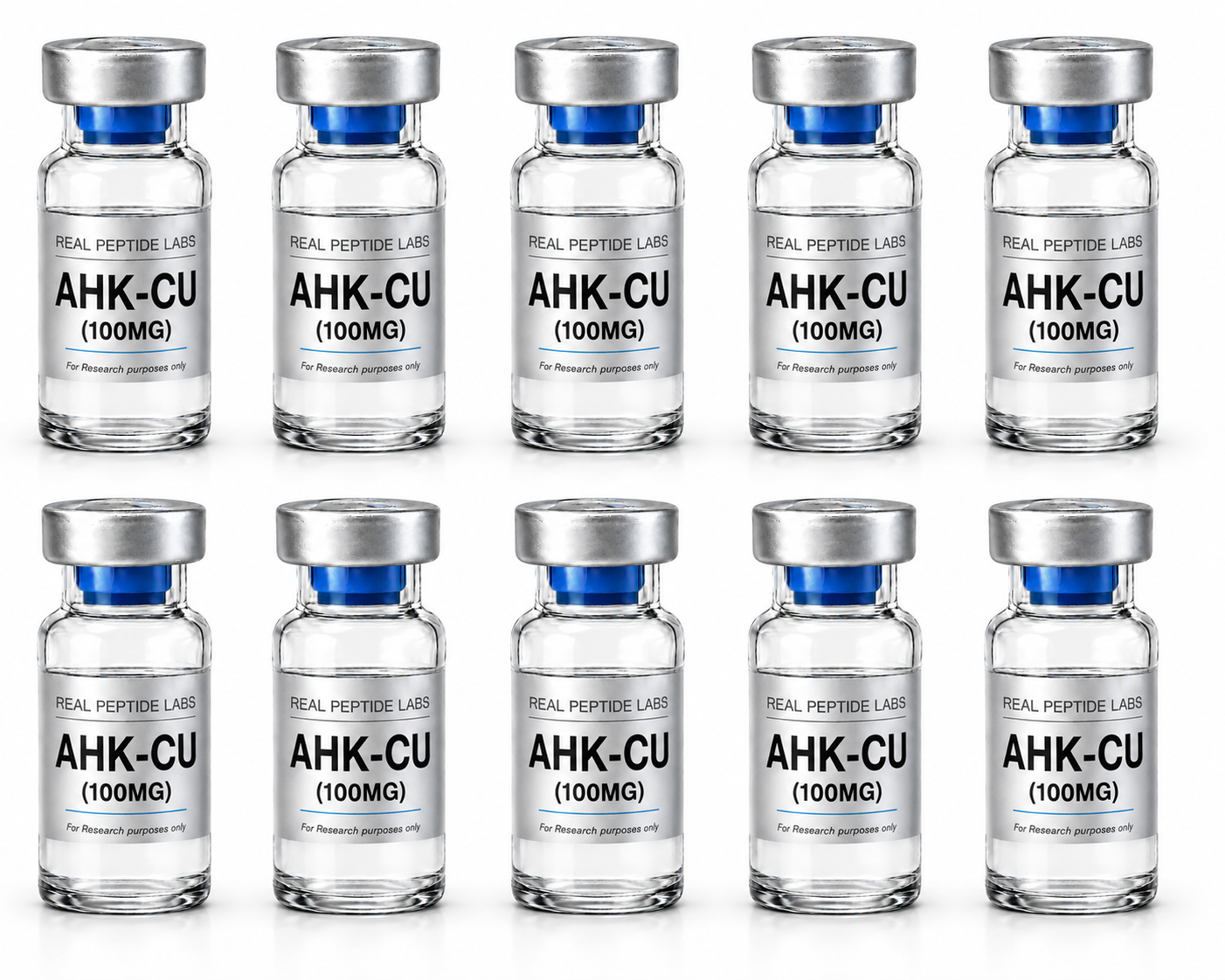
AHK-Cu is a copper-binding peptide researched for its potential role in hair follicle support, skin rejuvenation, and tissue repair. Studies suggest it can help support collagen production, promote healthy-looking skin, and encourage a healthier scalp environment by influencing growth factors and reducing oxidative stress. It is commonly used in cosmetic and regenerative research for its potential anti-aging and hair wellness properties.

Growth Hormone - Release Hormone Peptides
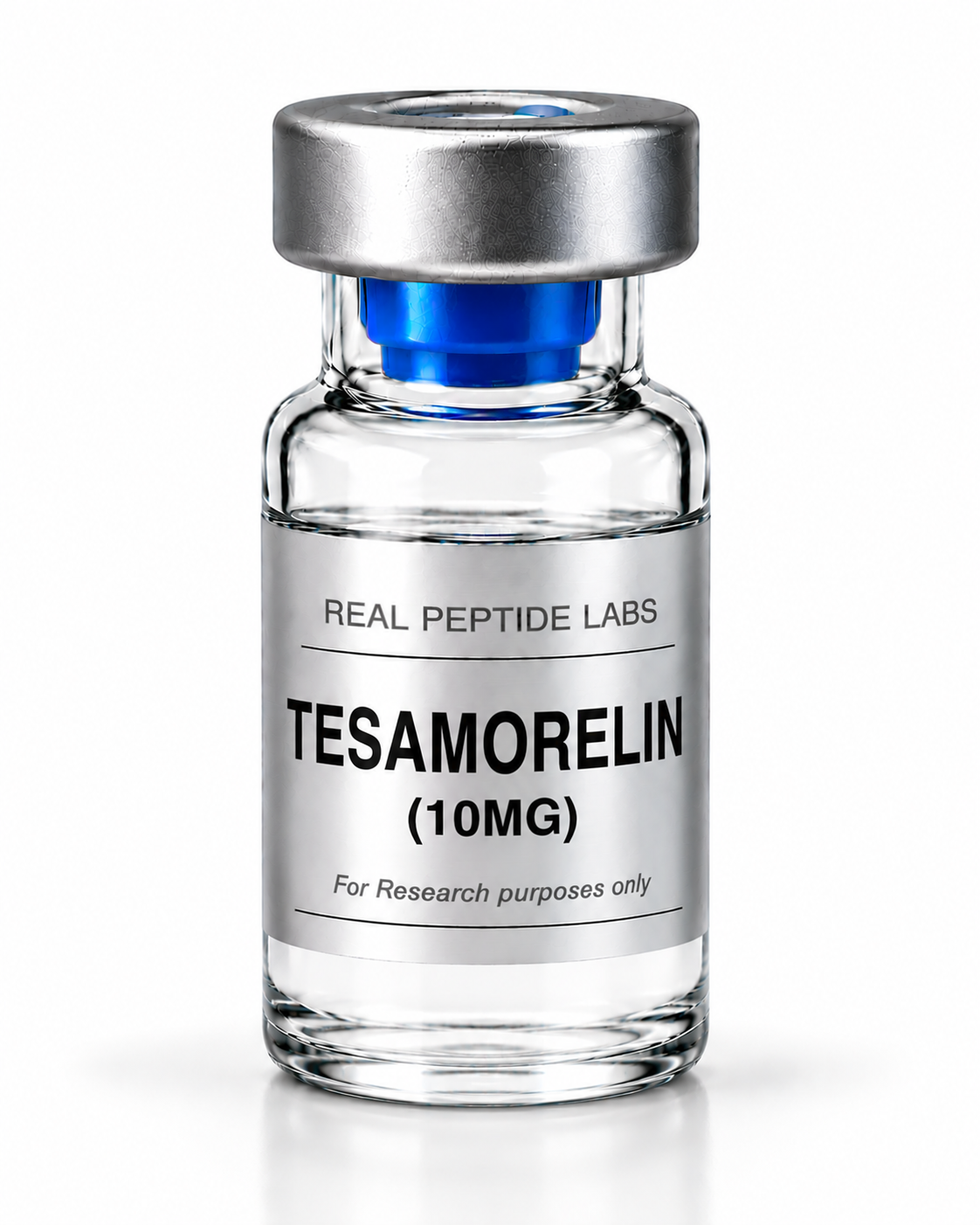
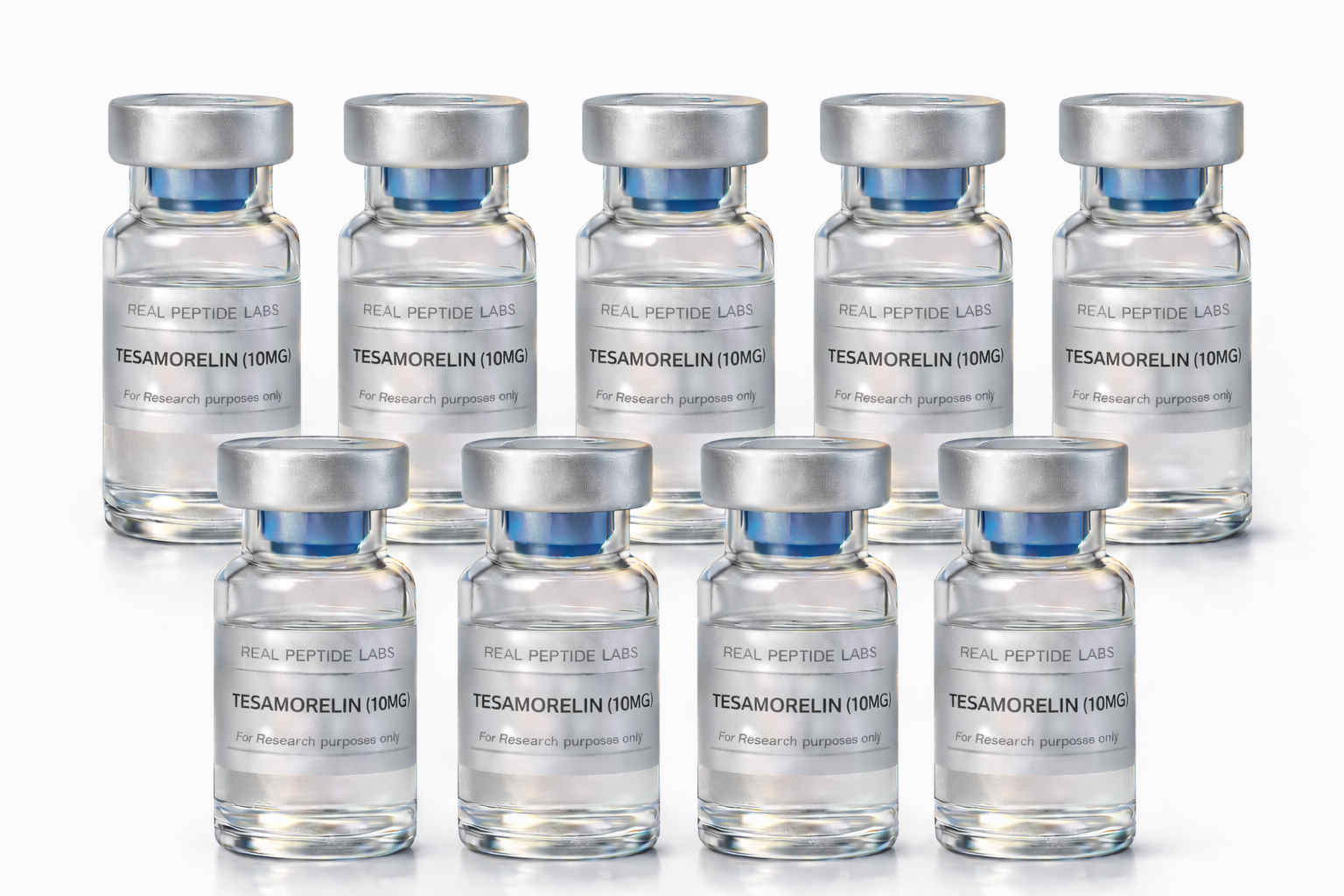
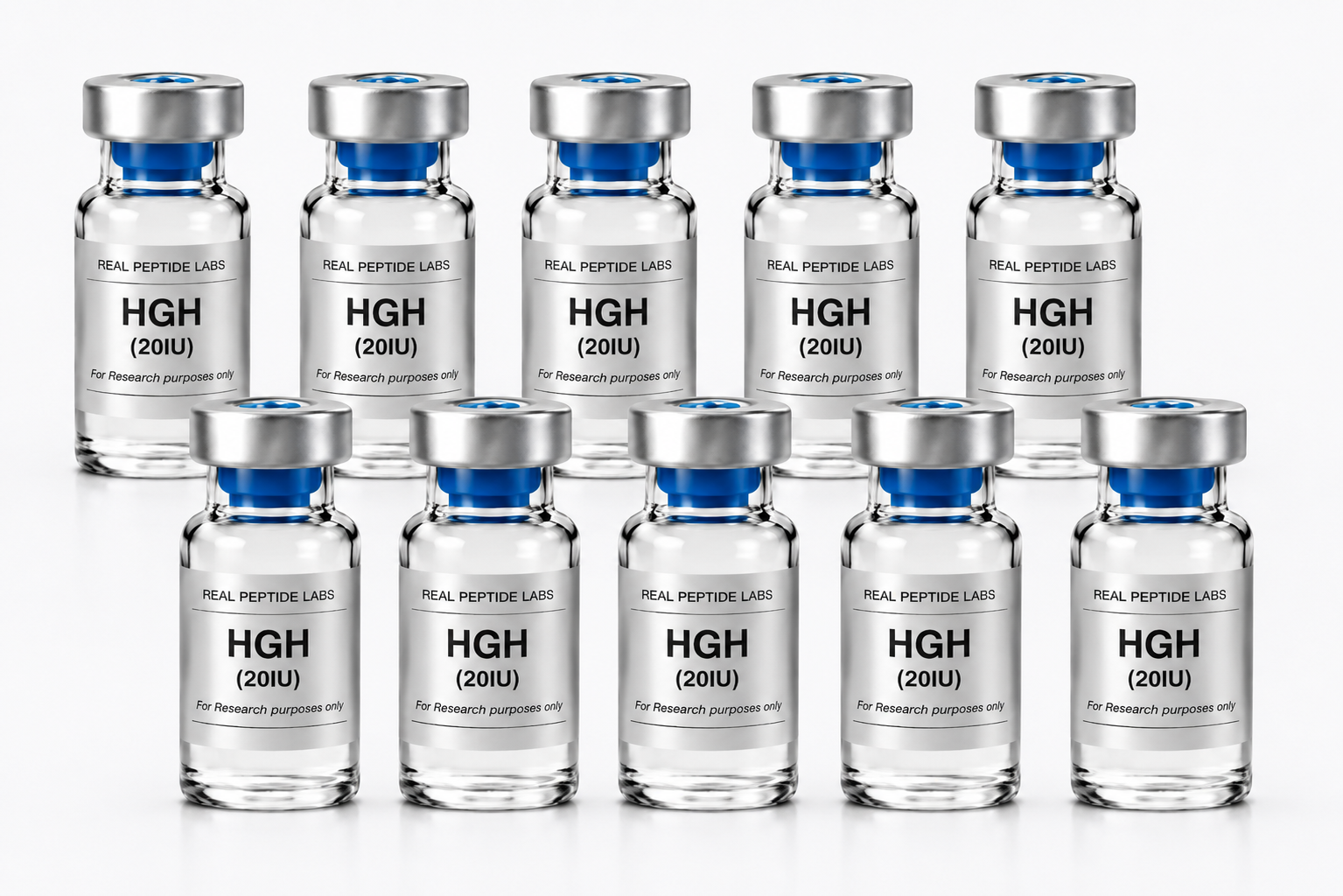
Tesamorelin is a synthetic peptide that functions as a growth hormone–releasing hormone (GHRH) analog. It works by stimulating the pituitary gland to produce and release more natural growth hormone (GH), which in turn increases levels of insulin-like growth factor 1 (IGF-1). Through this pathway, tesamorelin influences fat metabolism, particularly visceral adipose tissue (fat stored around internal organs). It helps reduce excess abdominal fat in adults with HIV-associated lipodystrophy.
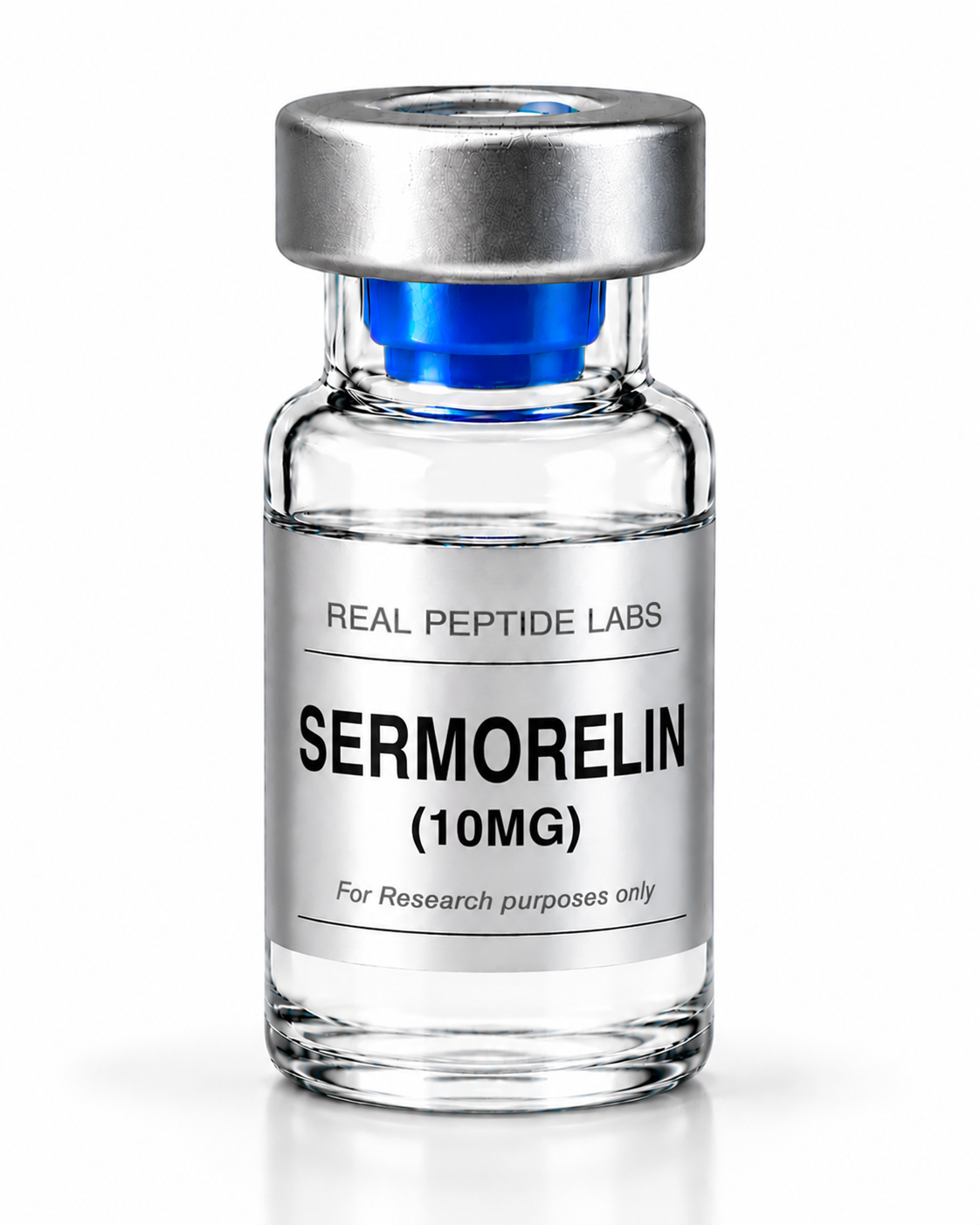
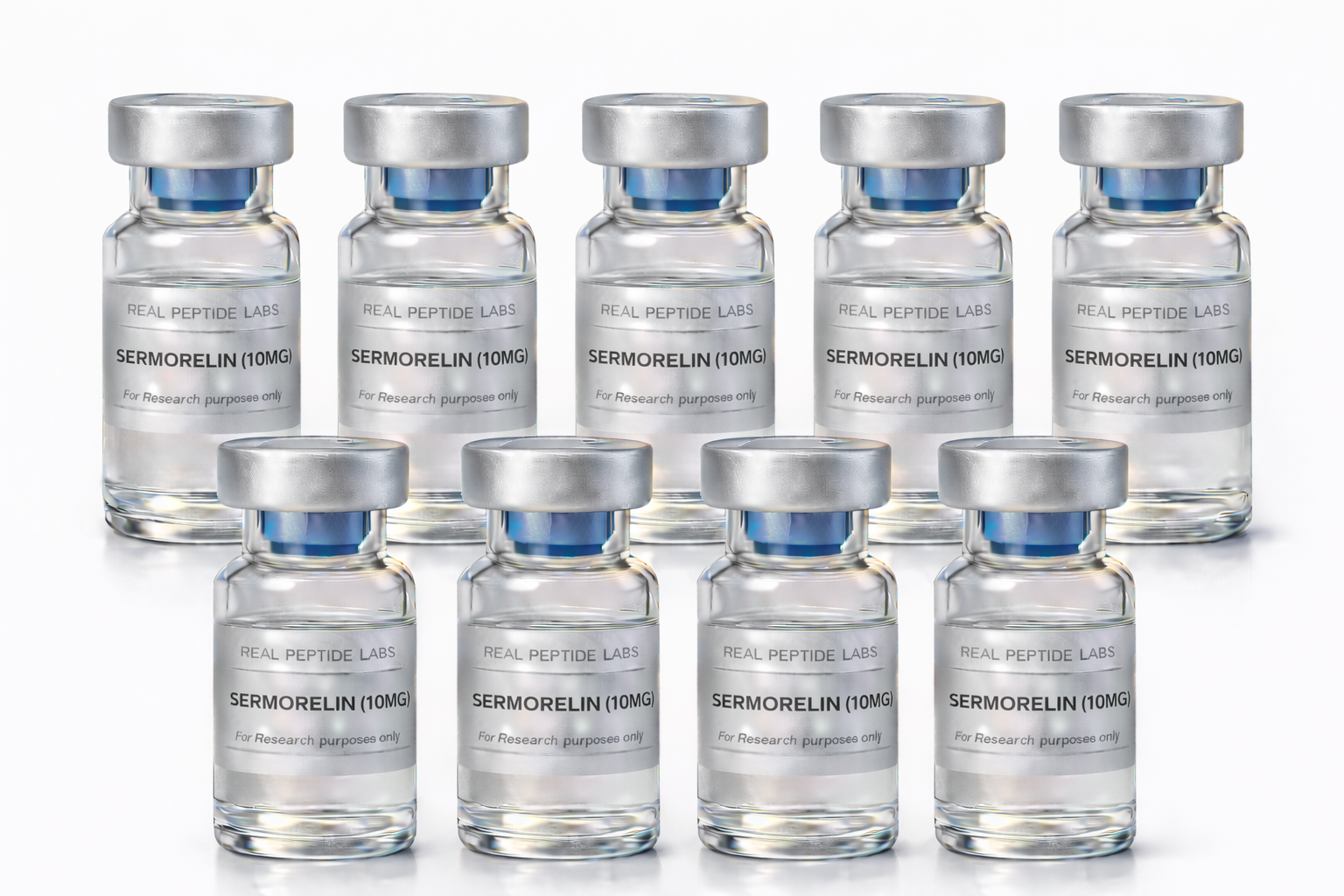
Sermorelin is a synthetic peptide that mimics growth hormone–releasing hormone (GHRH), the natural signal the brain uses to tell the pituitary gland to release growth hormone. Rather than supplying growth hormone directly, sermorelin works by encouraging the body to produce more of its own natural growth hormone, which can then raise IGF-1 levels and influence metabolism, tissue repair, and body composition. Because it stimulates the body’s normal hormonal pathway, it is often discussed as a more physiologic approach than direct HGH administration.
Potential benefits associated with sermorelin include support for growth hormone production, improved recovery, better sleep quality, enhanced fat metabolism, and help with maintaining lean muscle mass. In medical settings, it has been used to evaluate or support growth hormone function, and it is sometimes discussed in age-related hormone optimization contexts.
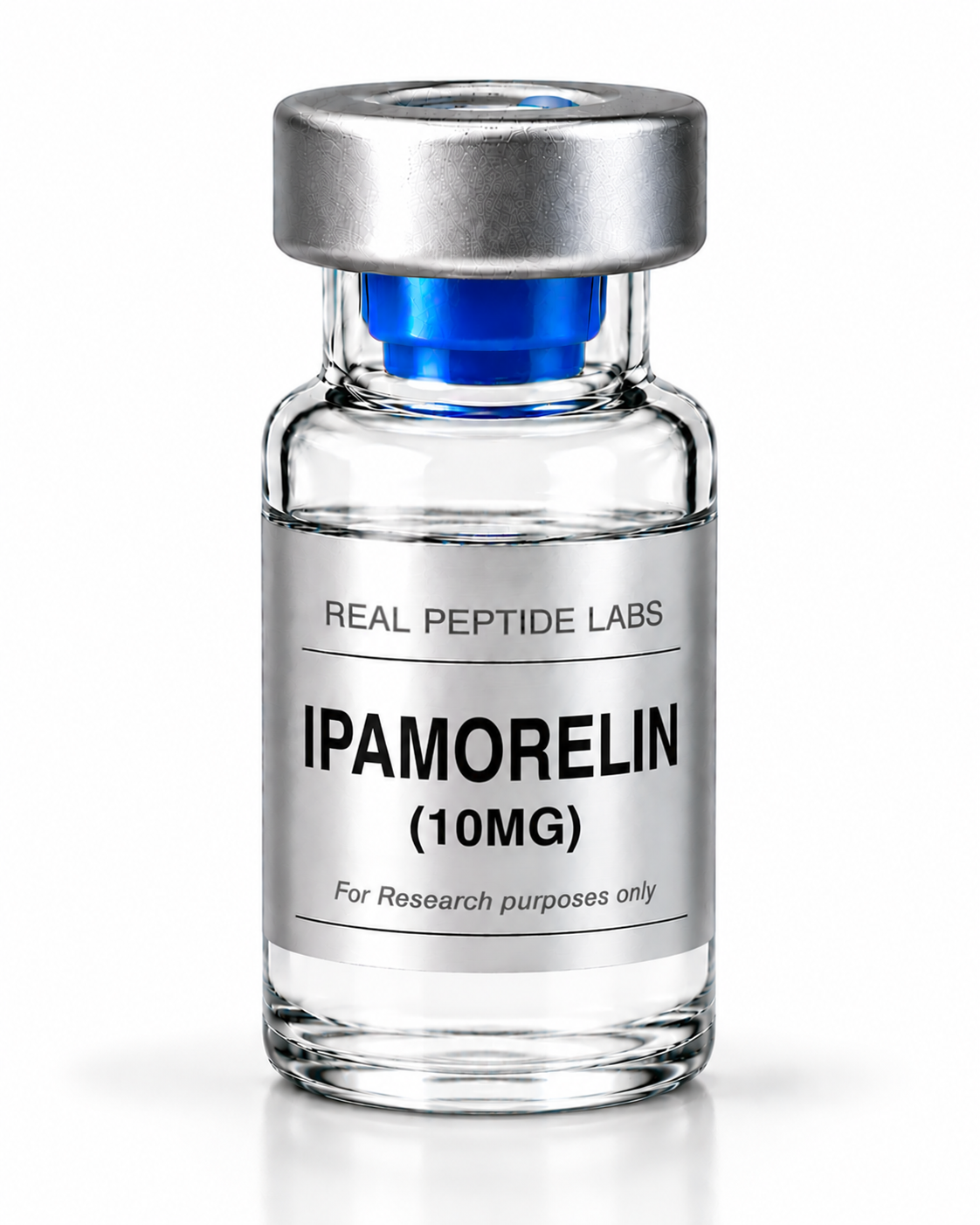
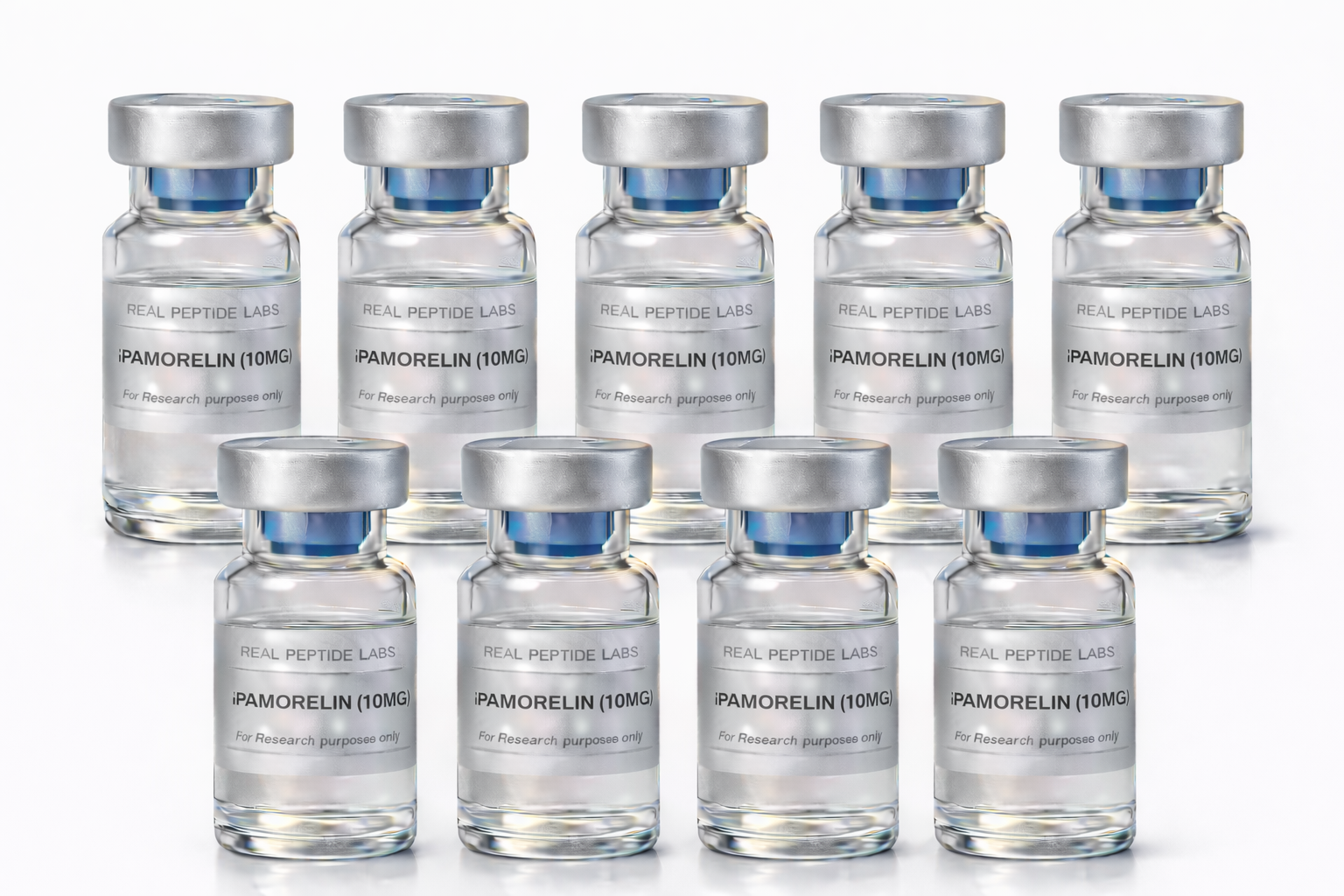
Ipamorelin is a synthetic peptide that belongs to the growth hormone secretagogue class, meaning it stimulates the pituitary gland to release more natural growth hormone. It works by mimicking the action of ghrelin, a hormone involved in growth hormone release and appetite signaling, but it is often described as being more selective than some older peptides in the same category. Because of that selectivity, ipamorelin is commonly discussed for its potential to support growth hormone release with less effect on other hormones such as cortisol or prolactin compared with less targeted secretagogues.
Potential benefits associated with ipamorelin include support for recovery, improved sleep quality, enhanced tissue repair, better fat metabolism, and help maintaining or building lean muscle mass through increased endogenous growth hormone activity. In research and clinical discussion, it is often grouped with other peptides aimed at supporting the GH–IGF-1 pathway without directly administering HGH itself.
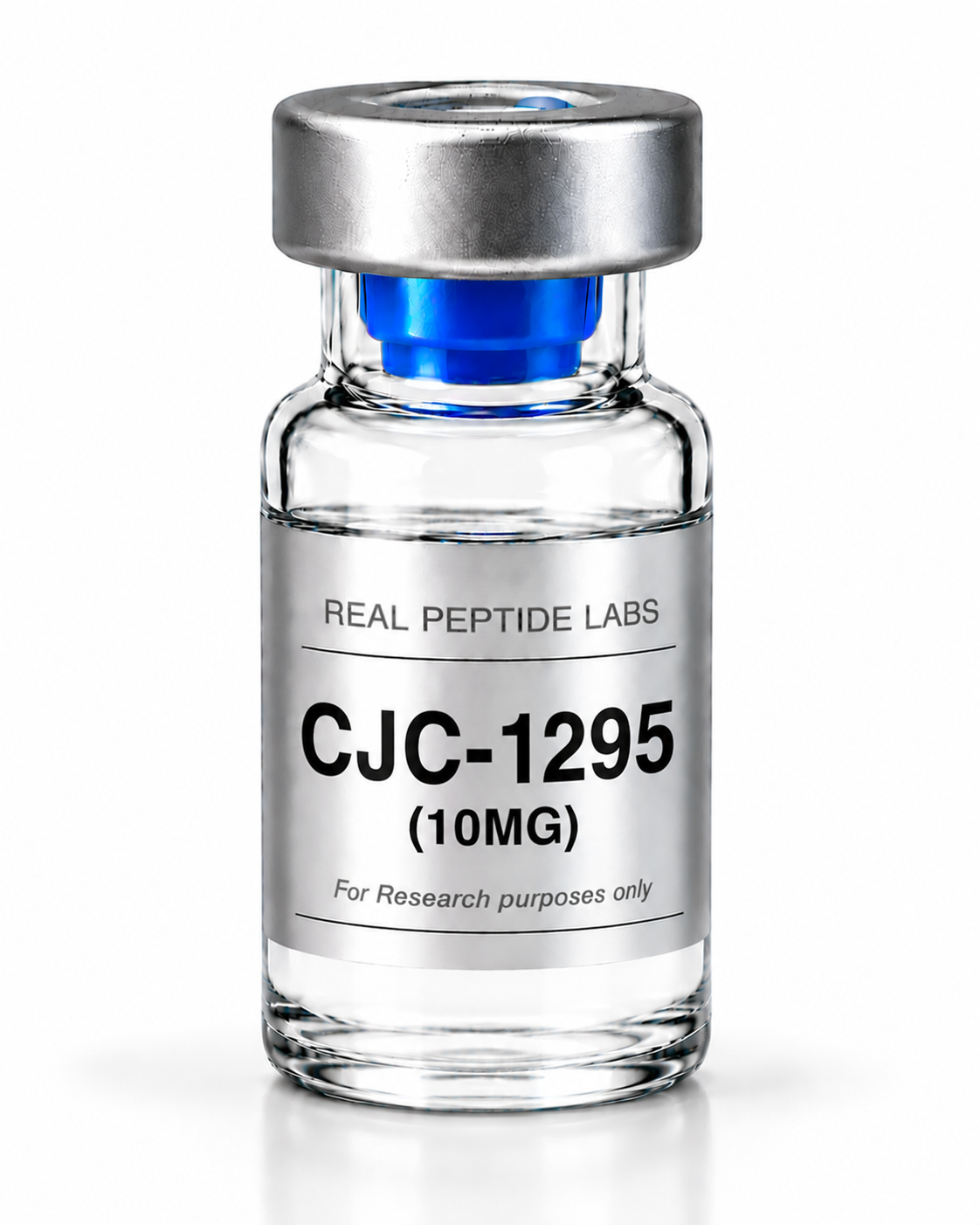
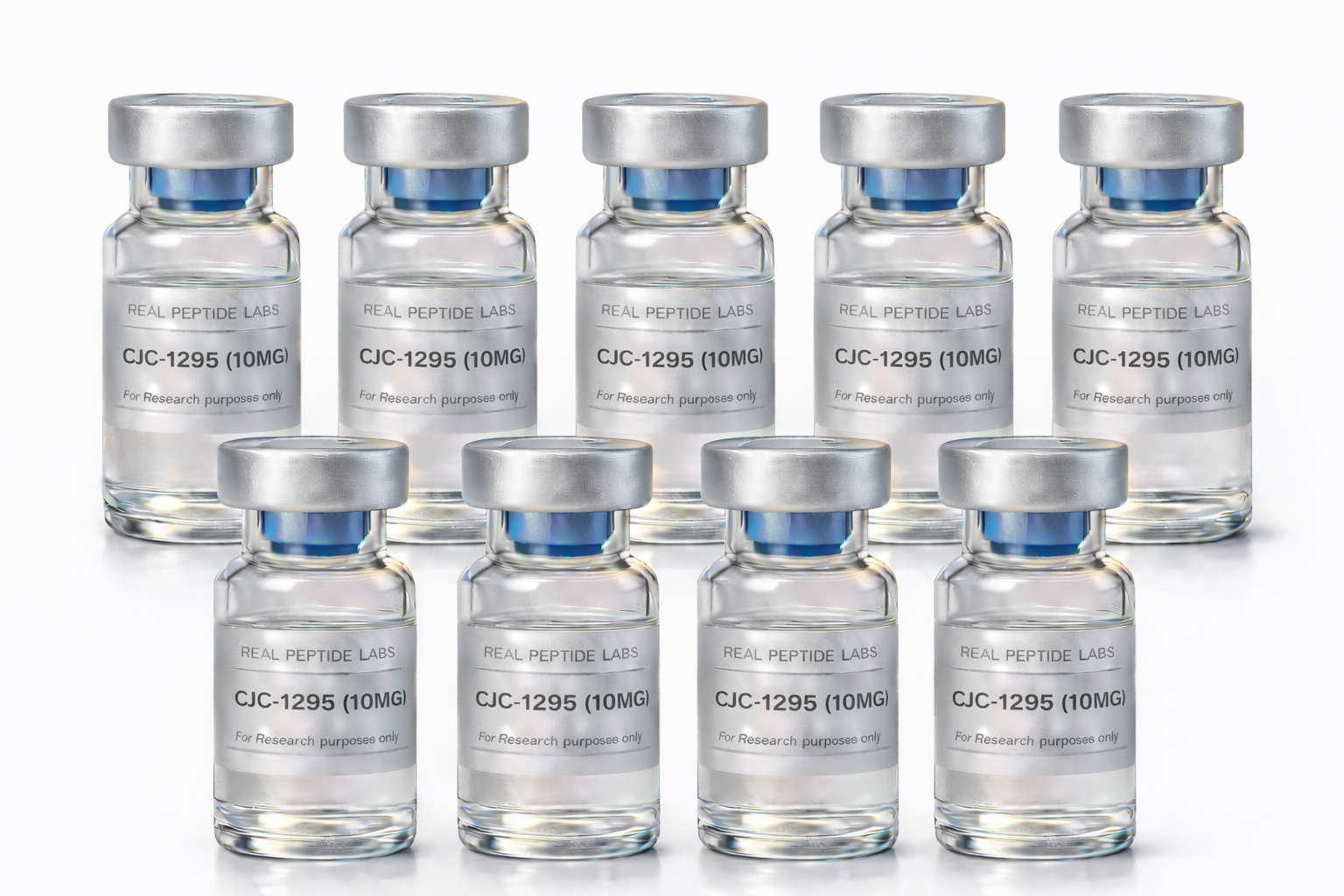
CJC-1295 is a synthetic peptide designed to stimulate the release of growth hormone by acting on growth hormone–releasing hormone (GHRH) receptors in the pituitary gland. Instead of being growth hormone itself, it encourages the body to produce more of its own natural growth hormone, which can then increase insulin-like growth factor 1 (IGF-1) levels. It is commonly discussed in research and performance settings for its potential to support muscle growth, recovery, sleep quality, and fat metabolism. Some versions, especially CJC-1295 with DAC, are modified to stay active in the body longer, extending their half-life and duration of effect.

Sexual Health Peptides
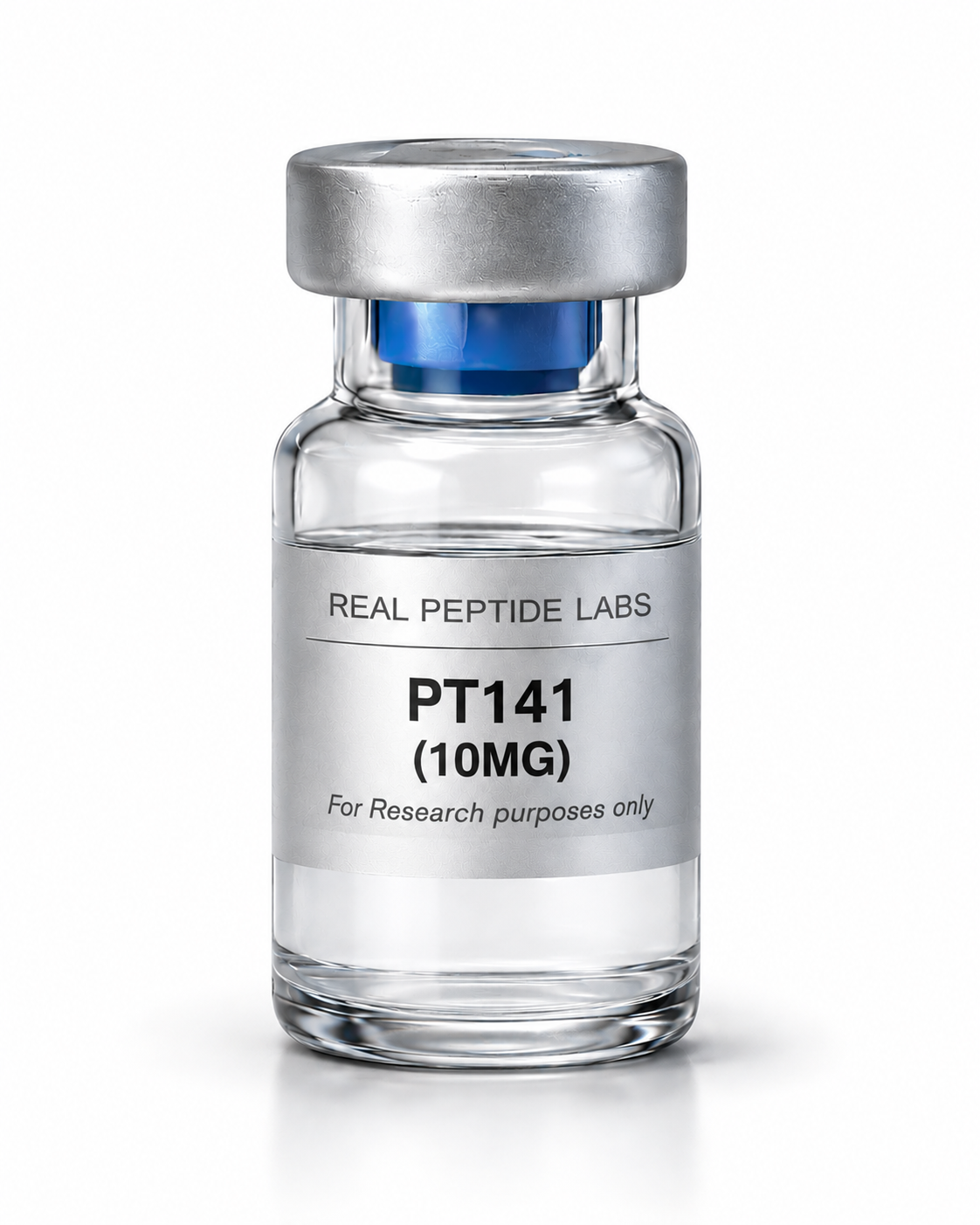
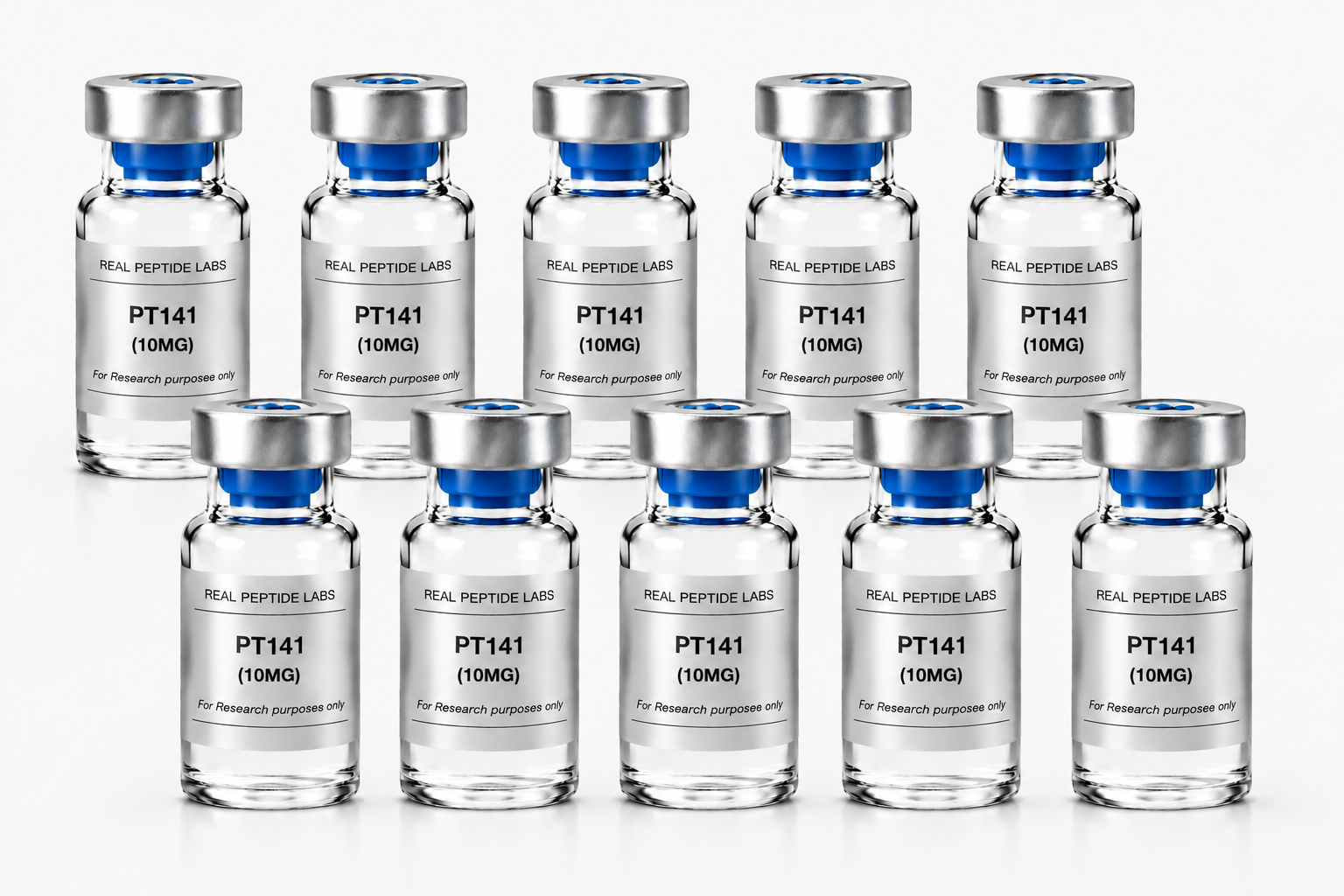
PT-141 (also known as Bremelanotide) is a synthetic peptide researched for its potential to support libido, arousal, and sexual wellness by acting on the nervous system rather than the vascular system. Unlike traditional performance-based treatments, PT-141 works by activating melanocortin receptors in the brain, which may help enhance desire, mood, energy, and overall sexual function in both men and women. It has also been studied for its potential effects on motivation, confidence, and emotional wellbeing.
Fertility Peptides
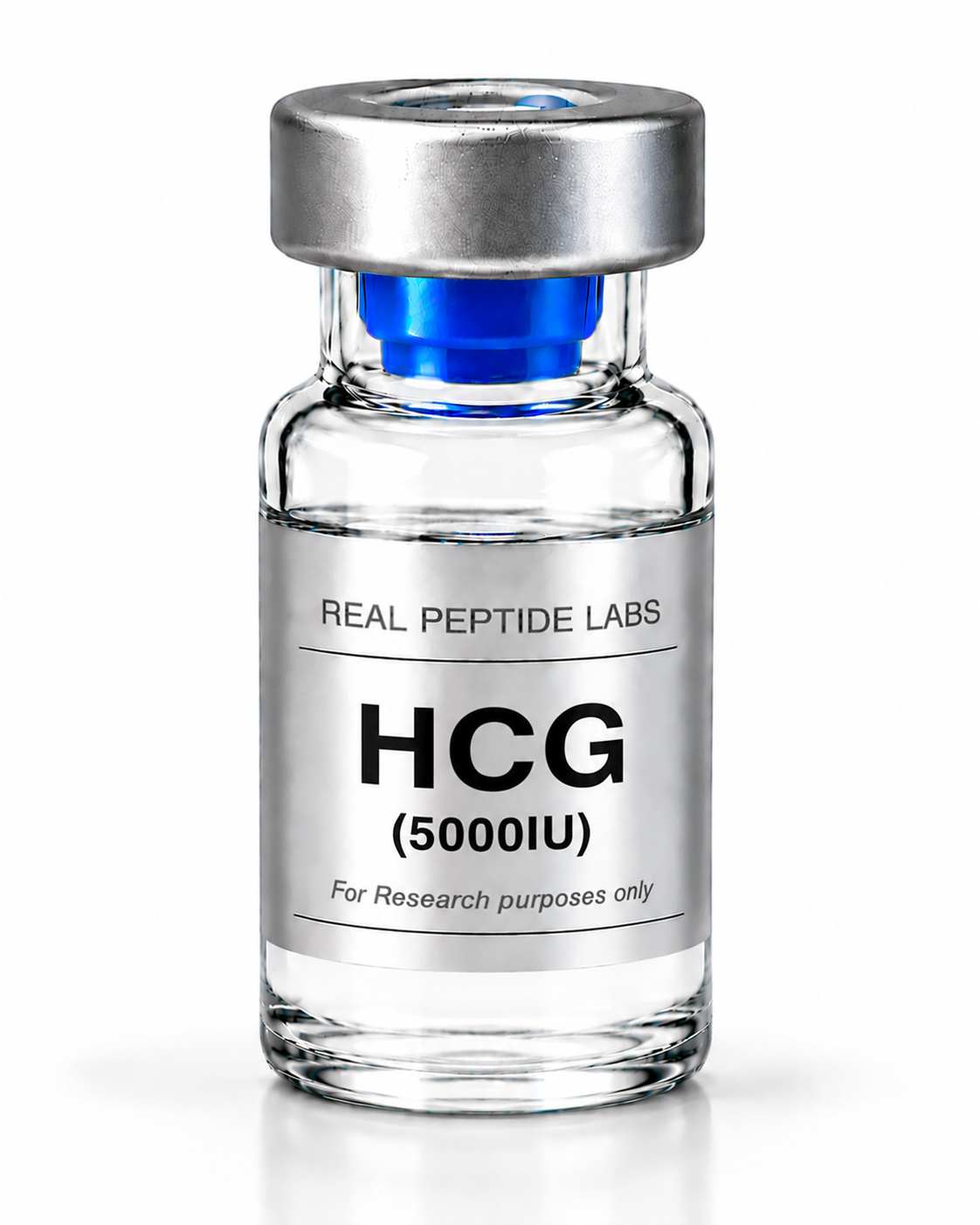
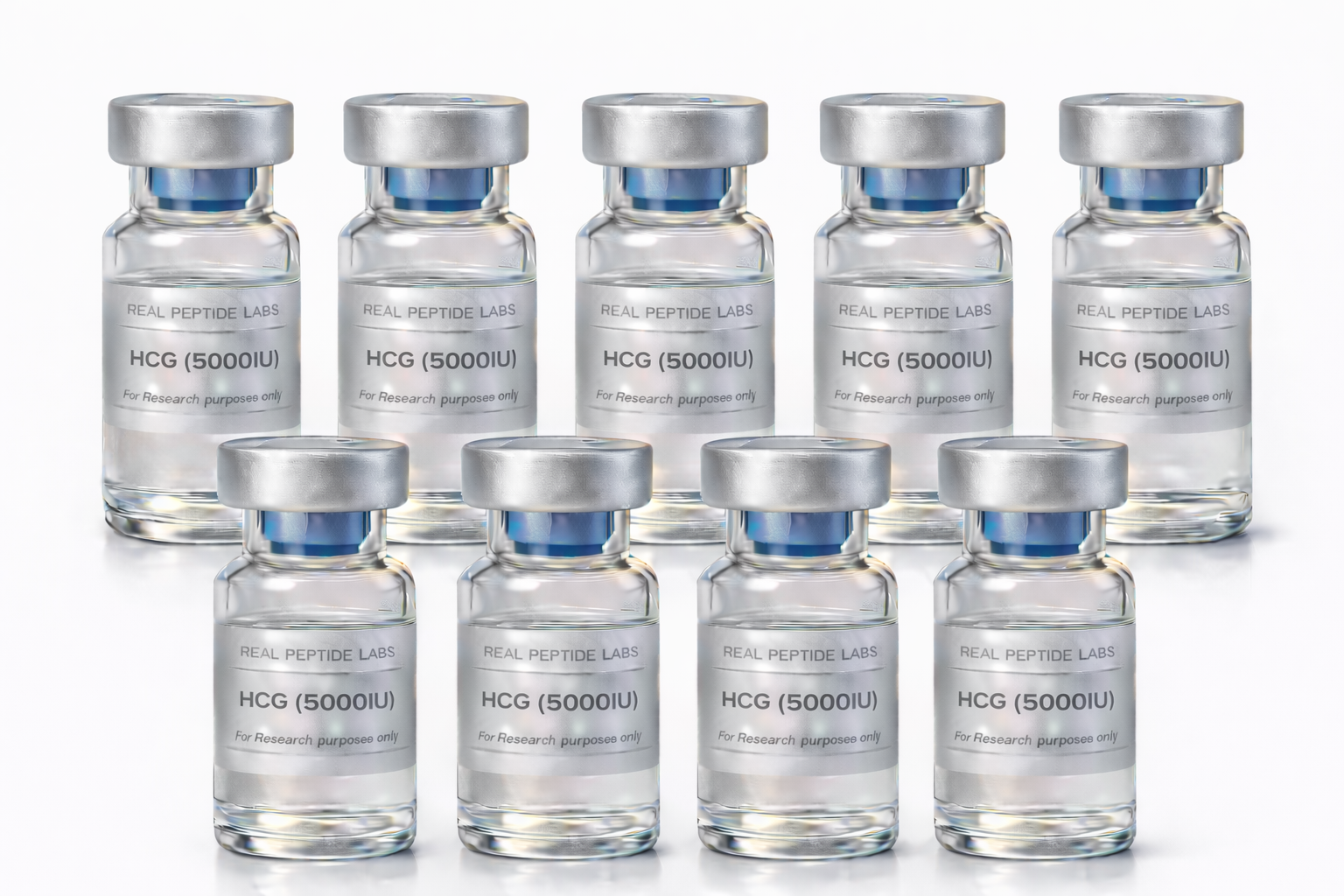
HCG, or human chorionic gonadotropin, is a hormone naturally produced during pregnancy, but in medical use it is also used to stimulate specific reproductive hormone pathways in both men and women. In men, HCG can mimic luteinizing hormone (LH), signaling the testes to produce more testosterone and support sperm production. Because of that, it is often used in fertility treatment or alongside testosterone-related therapies to help maintain testicular function. In women, HCG can be used in fertility protocols to help trigger ovulation.
Potential benefits associated with HCG depend on the context, but may include support for natural testosterone production, preservation of fertility, stimulation of sperm production, and maintenance of testicular size and function in men. In women undergoing fertility treatment, it may help support ovulation and reproductive timing.
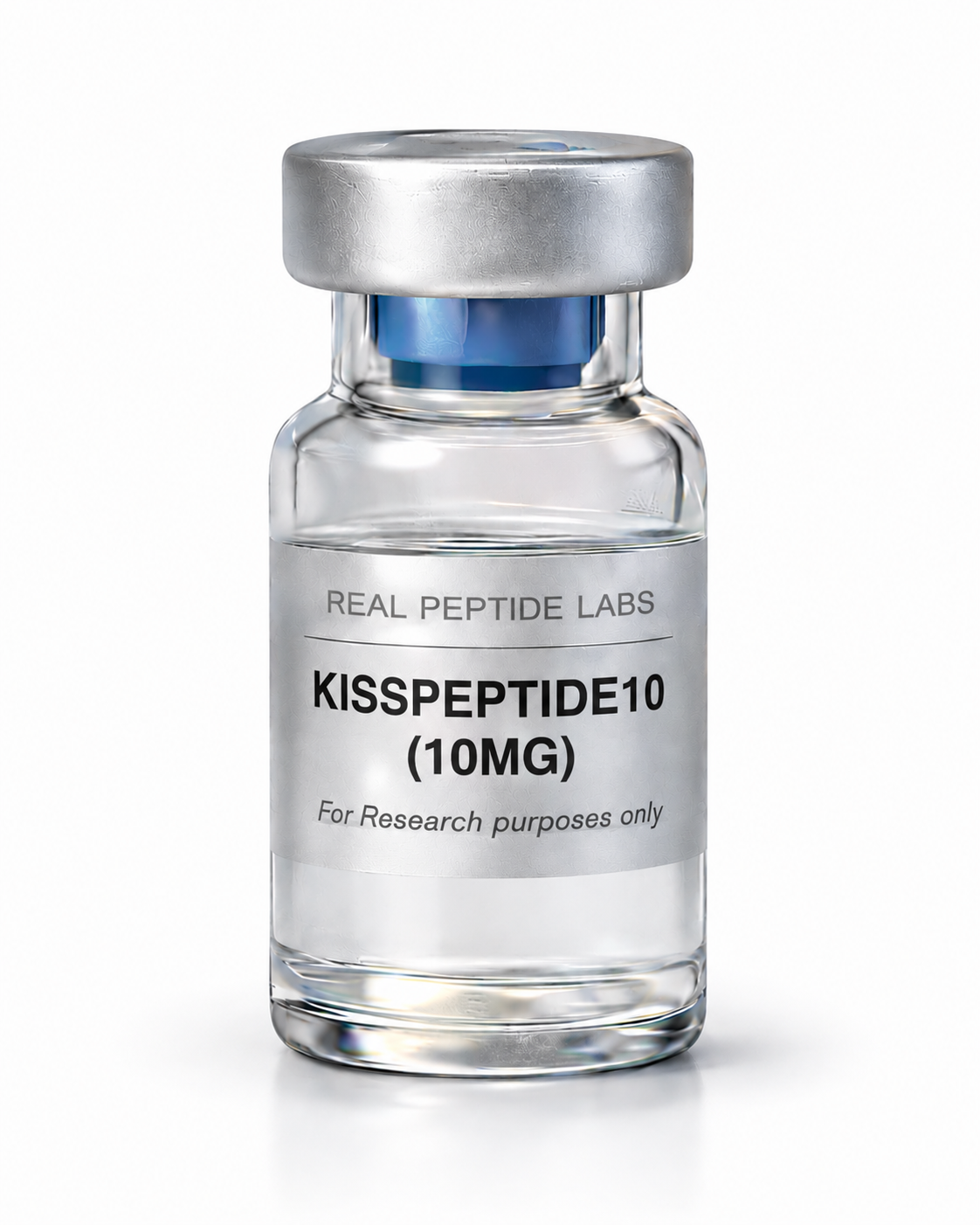
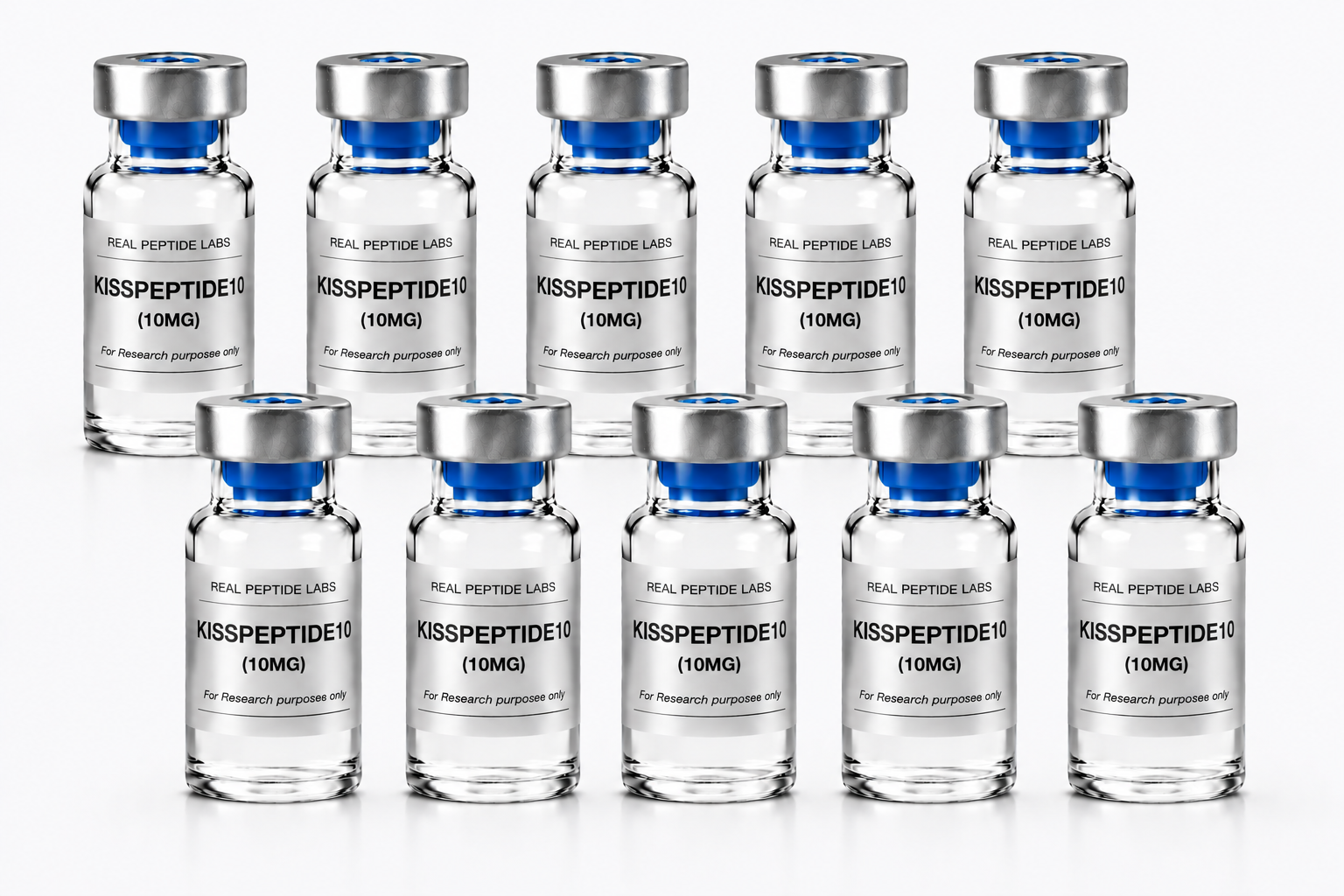
Kisspeptin-10 is a synthetic peptide researched for its role in supporting hormone signaling, reproductive health, and overall endocrine function. It works by stimulating the release of gonadotropin-releasing hormone (GnRH), which may help regulate testosterone, luteinizing hormone (LH), and fertility-related pathways. Research also suggests Kisspeptin-10 may support libido, mood, energy, and hormonal balance, making it a growing area of interest in wellness and performance research.
Cognitive Health Peptides
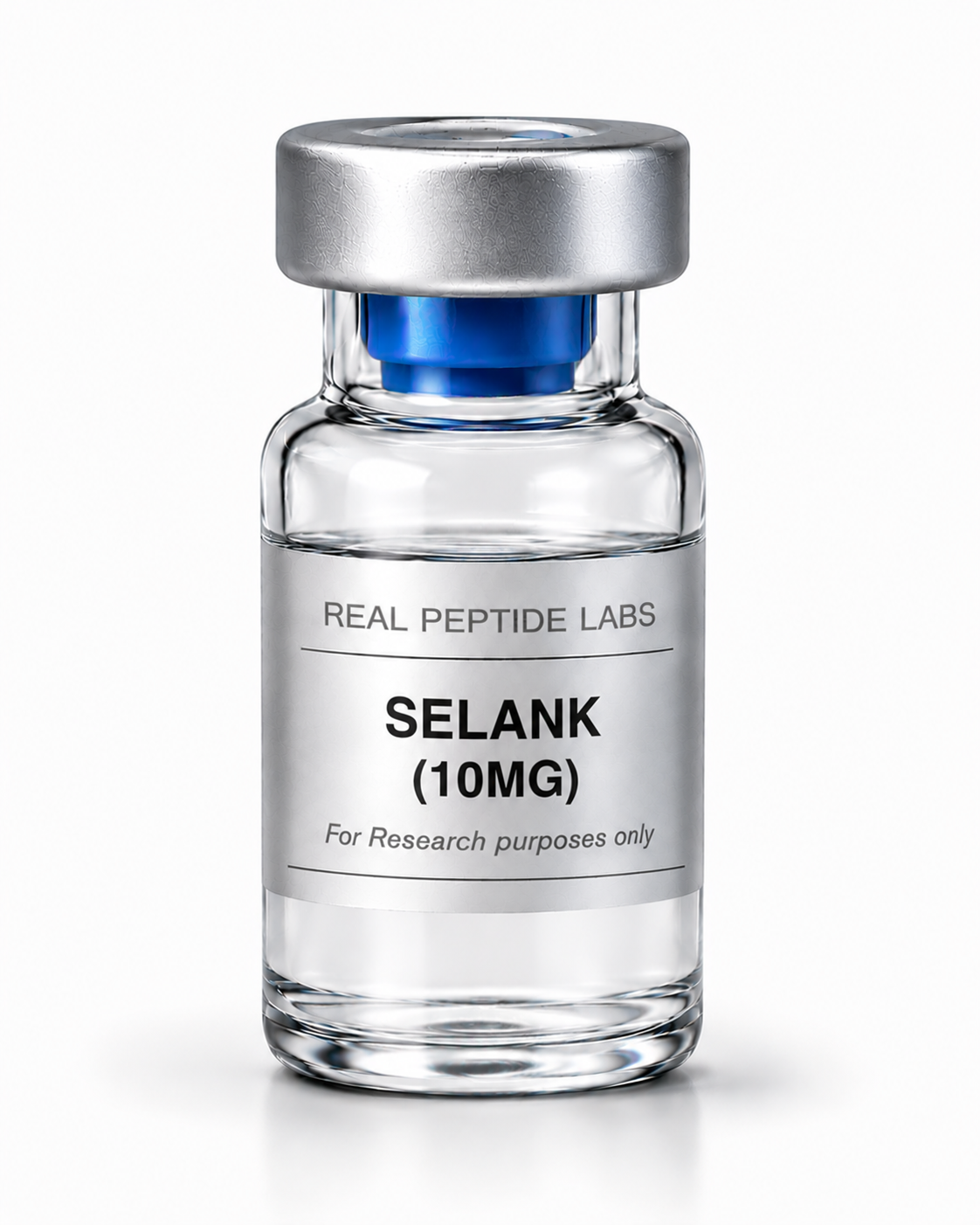
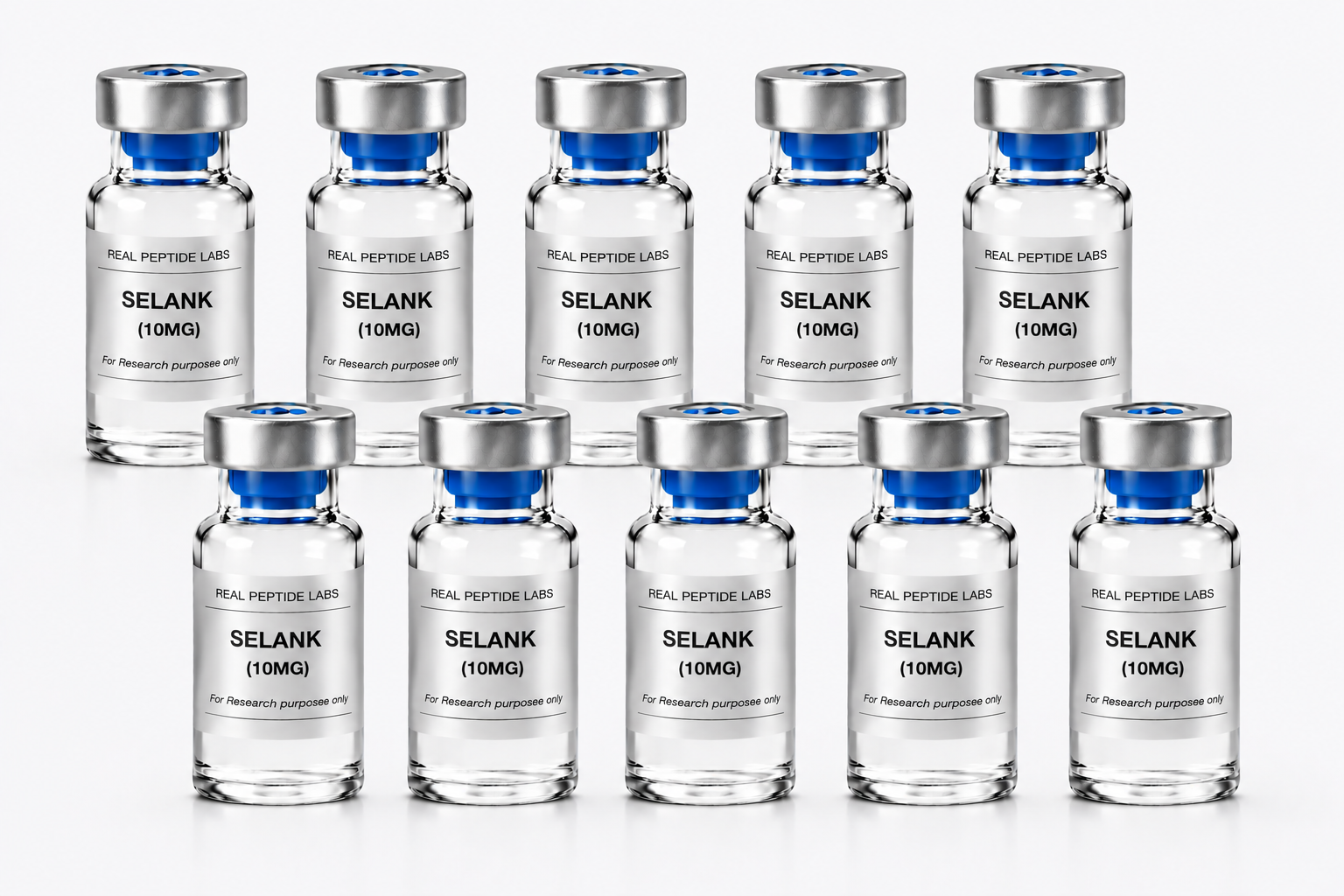
Selank is a synthetic peptide commonly researched for its calming, anti-anxiety, and cognitive-supportive effects. Often described as a nootropic peptide, Selank may help promote emotional balance, reduce stress, and support mental clarity without significant sedative effects. Research also suggests it may influence neurotransmitters like GABA, serotonin, and dopamine while supporting focus, memory, mood, and overall brain health.
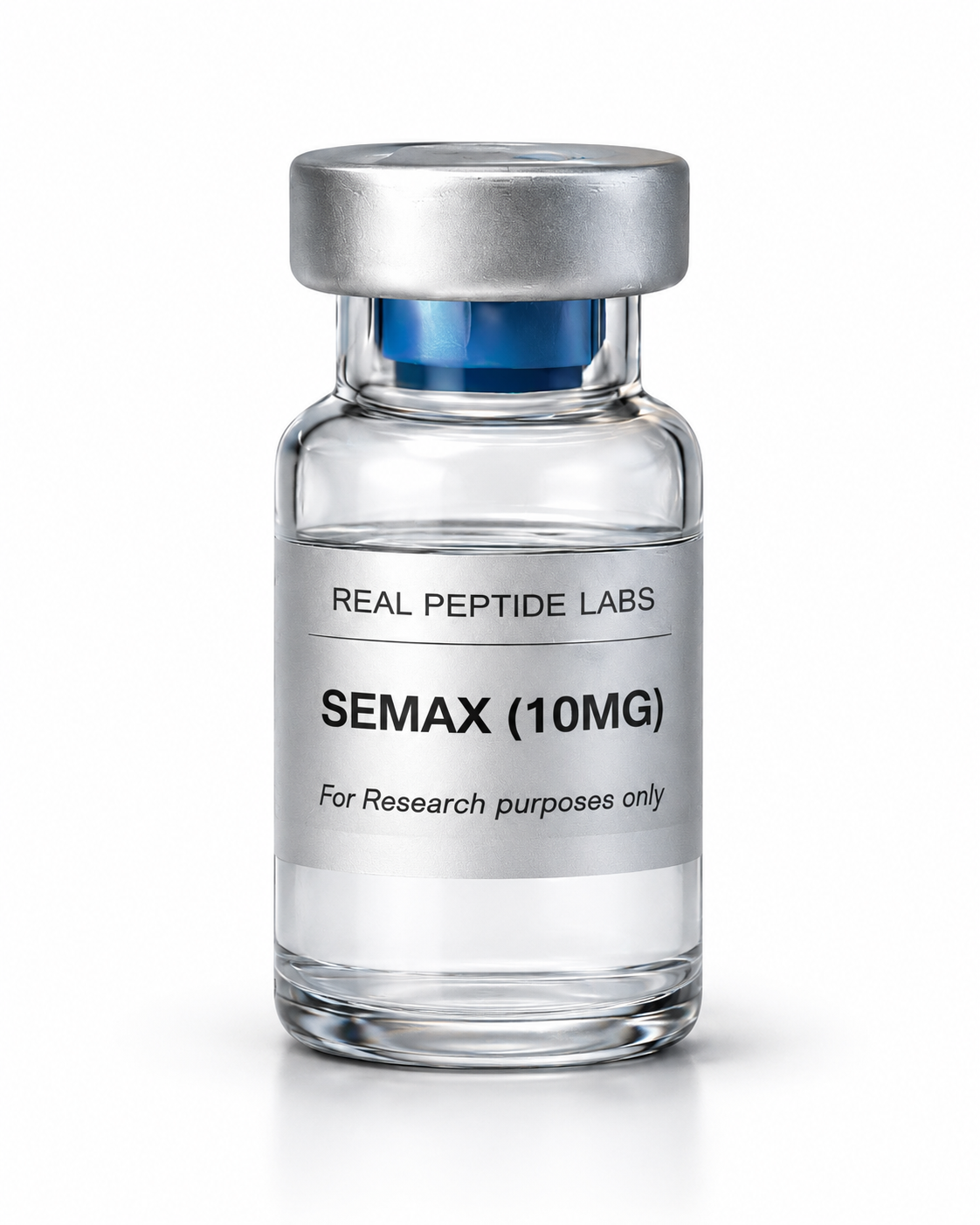
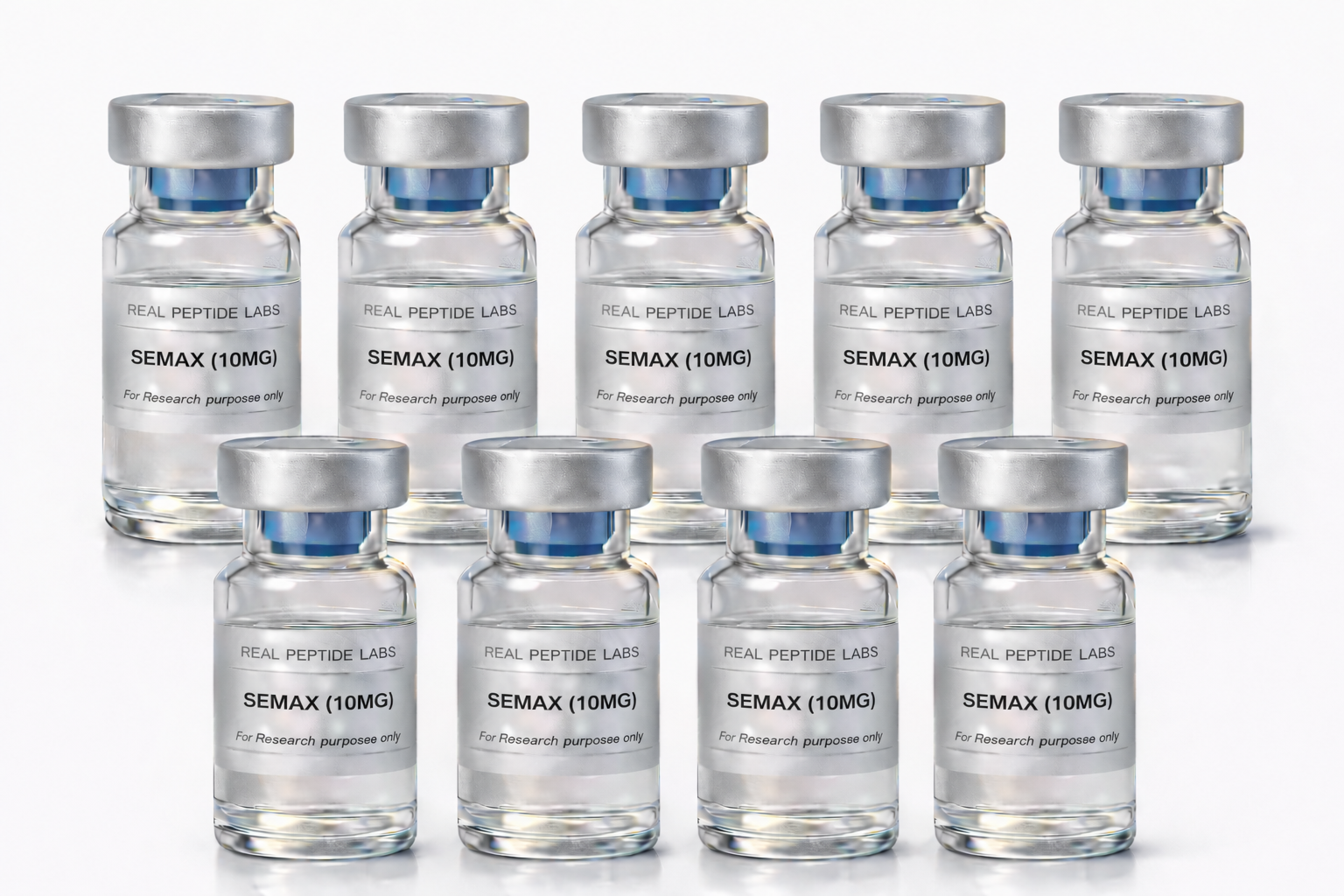
Semax is a synthetic peptide known for its potential cognitive and neuroprotective benefits. Commonly researched for supporting focus, memory, mental clarity, and mood, Semax may help increase brain-derived neurotrophic factor (BDNF), which plays a role in brain health and neural function. It has also been studied for its potential to support stress response, mental performance, and recovery after neurological strain, making it popular in nootropic and wellness research.
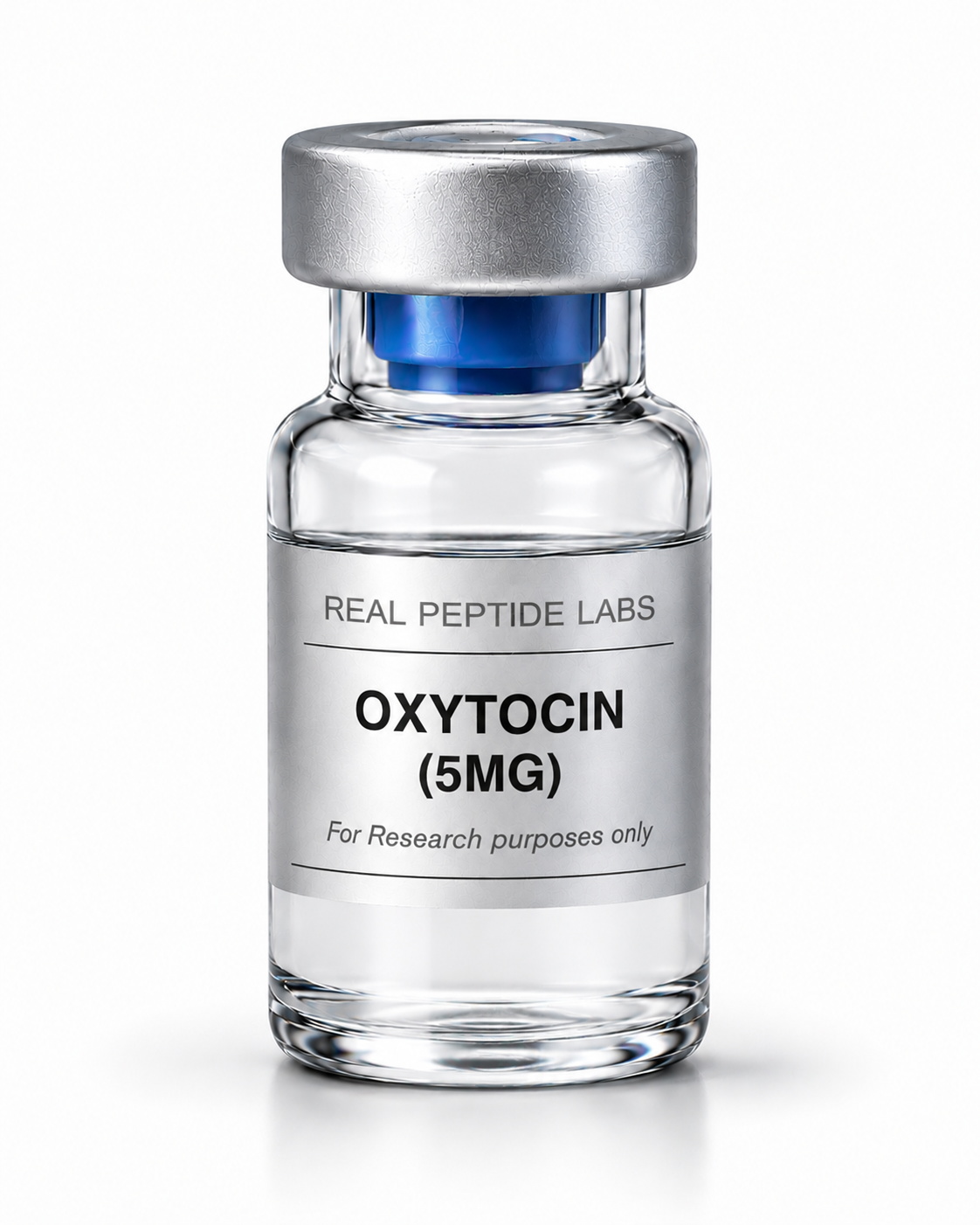
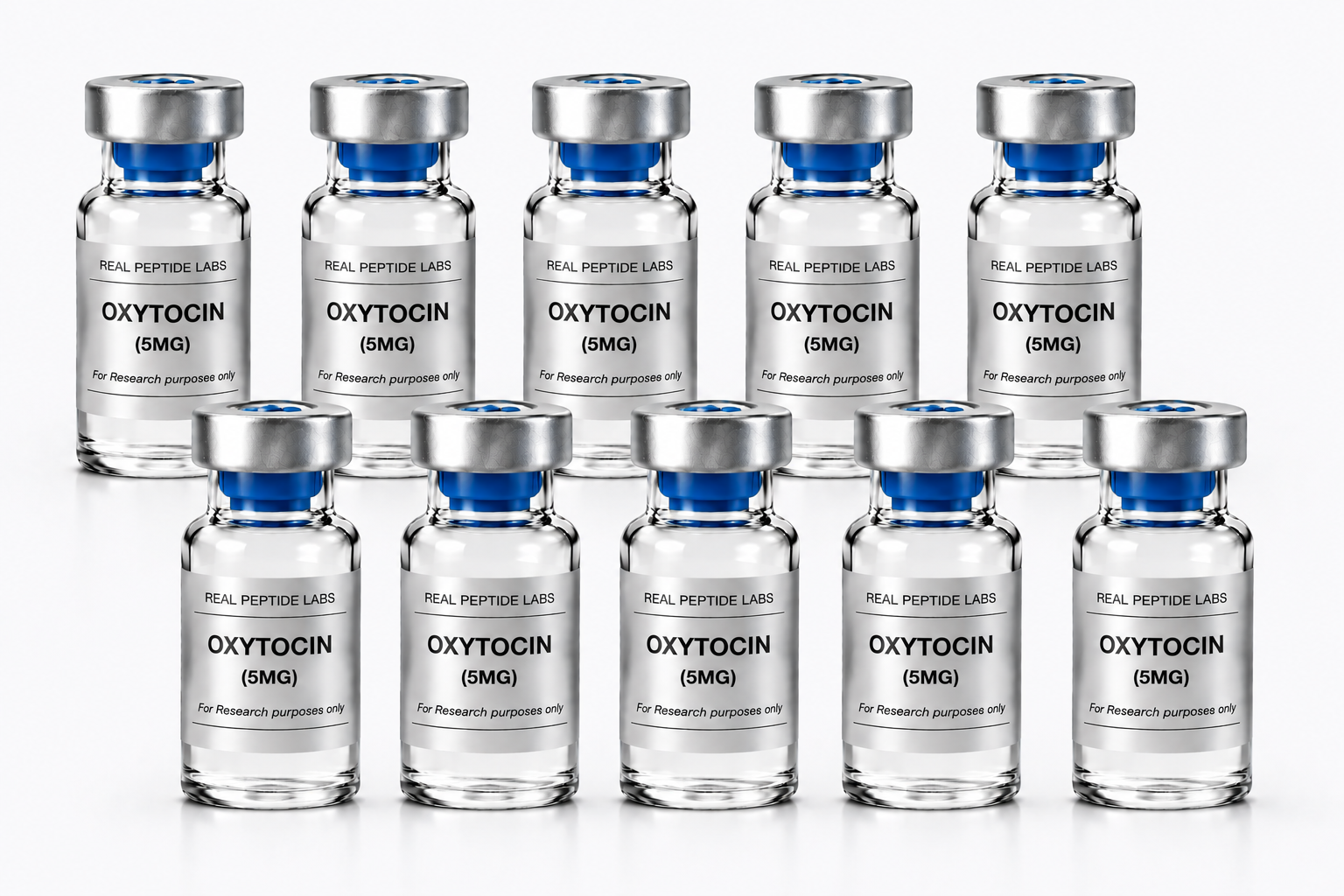
Oxytocin is a naturally occurring peptide hormone often referred to as the “bonding” or “love” hormone due to its role in social connection, trust, and emotional wellbeing. Research suggests oxytocin may support mood, stress reduction, relaxation, and emotional balance while also playing an important role in reproductive health and social behavior. It has gained interest in wellness and peptide research for its potential effects on connection, calmness, and overall mental wellbeing.
BAC Water
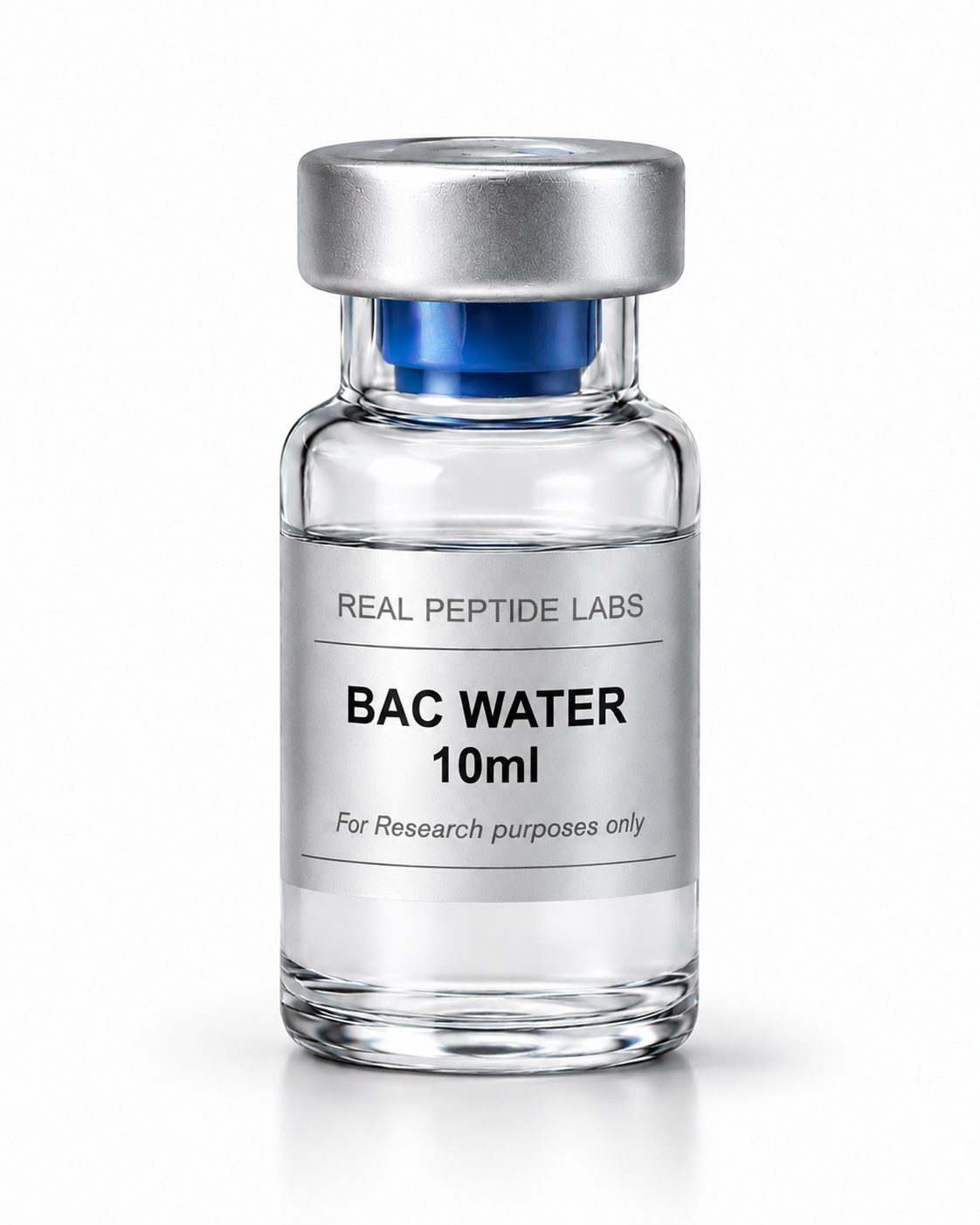
Bacteriostatic water (commonly called “Bac Water”) is sterile water containing a small amount of benzyl alcohol, which helps prevent bacterial growth after opening. It is commonly used to reconstitute or dilute peptides and other injectable compounds before administration. Bac Water is valued for its ability to maintain sterility for multiple uses from the same vial when handled properly, making it a standard component in peptide and research preparation protocols.

10-Pack Bundles